
Indian milk tea vs coffee is a popular comparison among people who enjoy a hot beverage in the morning, during work, or while relaxing with friends. In India and Pakistan, milk tea—commonly known as doodh chai or chai—is a daily tradition. Coffee, meanwhile, is widely enjoyed for its strong flavor, stimulating effect, and ability to improve alertness.
Both beverages can be part of a balanced lifestyle. However, their effects depend on the amount of caffeine, milk, sugar, serving size, and individual health conditions.
This comprehensive guide explores the differences between Indian milk tea and coffee, including their nutritional value, caffeine content, benefits, disadvantages, effects on weight loss, digestion, heart health, and sleep.
1. What Is Indian Milk Tea?

Indian milk tea is a traditional beverage prepared by boiling tea leaves with water, milk, and often sugar. Depending on the region and personal preference, people may add cardamom, ginger, cinnamon, cloves, or other spices.
Unlike plain black tea, Indian milk tea has a rich, creamy texture and a distinctive flavor. It is commonly served at breakfast, during social gatherings, and as an afternoon refreshment.
Common ingredients in Indian milk tea
- Black tea leaves
- Water
- Milk
- Sugar
- Optional spices such as cardamom, ginger, or cinnamon
The nutritional value of milk tea depends on the type and quantity of milk and sugar used. A cup prepared with little sugar may contain relatively few calories, while heavily sweetened chai can contain considerably more.
2. What Is Coffee?

Coffee is a beverage prepared by brewing roasted and ground coffee beans with hot water. It can be served black or combined with milk, cream, sugar, or other ingredients.
Popular varieties include brewed coffee, instant coffee, espresso, cappuccino, latte, and Americano.
Coffee is especially popular among people who want a strong caffeine boost in the morning or need to remain alert during work or study.
Common coffee ingredients
- Ground or instant coffee
- Hot water
- Milk, depending on the recipe
- Sugar or other sweeteners, depending on preference
Plain black coffee contains very few calories. However, adding sugar, cream, flavored syrups, or large quantities of milk can substantially increase its calorie content.
3. Indian Milk Tea vs Coffee: Caffeine Comparison
One of the biggest differences between Indian milk tea and coffee is their caffeine content. Caffeine is a natural stimulant that affects the central nervous system. It can temporarily increase alertness, reduce feelings of tiredness, and improve concentration.
The amount of caffeine varies according to the strength of the drink, preparation method, and serving size.
| Beverage | Approximate caffeine per serving |
|---|---|
| Indian milk tea, 1 cup | 30–70 mg |
| Instant coffee, 1 cup | 60–90 mg |
| Brewed coffee, 1 cup | 80–120 mg |
| Espresso, 1 shot | 60–80 mg |
These are approximate values rather than fixed amounts. Strongly brewed chai may contain more caffeine than a weak cup of coffee.
Which gives more energy?
Coffee generally provides more caffeine per typical serving and may produce a stronger stimulating effect. Indian milk tea usually offers a milder caffeine boost.
However, the effect depends on individual tolerance. Someone who regularly drinks coffee may feel little stimulation from one cup, while a person who rarely consumes caffeine may experience a noticeable effect from tea.
Important: Caffeine provides temporary alertness, but it does not replace adequate sleep, nutritious food, or proper hydration.
4. Nutritional Value of Indian Milk Tea vs Coffee
The nutritional value of these beverages depends largely on what is added to them.
Indian milk tea
Milk tea may provide small amounts of:
- Protein from milk
- Calcium from milk
- Vitamin B12, depending on the type of milk
- Carbohydrates from milk and added sugar
- Plant compounds from tea leaves
Tea also contains polyphenols, including flavonoids, which have antioxidant properties.
Coffee
Plain coffee contains very few calories and provides several naturally occurring compounds, including caffeine and chlorogenic acids.
Coffee with milk may provide:
- Protein
- Calcium
- Vitamin B12, depending on the milk
- Additional calories
Adding sugar, cream, condensed milk, or flavored syrups changes the nutritional profile considerably.
Which is more nutritious?
Neither beverage is automatically superior. Milk tea may provide nutrients from milk, while plain coffee is generally lower in calories.
A balanced diet—not tea or coffee alone—is the main source of essential nutrients.
5. Health Benefits of Indian Milk Tea

Indian milk tea can be enjoyed as part of a healthy diet, particularly when prepared with moderate amounts of sugar.
5.1 May improve alertness
The caffeine in tea can help reduce tiredness and improve attention. This may be useful during morning activities, work, or study.
5.2 Contains antioxidant compounds
Black tea contains polyphenols, including theaflavins and thearubigins. These compounds have antioxidant activity and are being studied for their potential effects on cardiovascular and metabolic health.
However, drinking tea should not be considered a treatment for any disease.
5.3 May support cardiovascular health
Research on tea consumption suggests that regular tea drinking may be associated with certain cardiovascular benefits. However, results depend on the type of tea, the amount consumed, and the overall lifestyle.
Adding excessive sugar may reduce the healthfulness of the beverage.
5.4 Provides a source of fluids
Milk tea contributes to daily fluid intake. Although caffeine has a mild diuretic effect, moderate tea consumption still contributes to hydration.
5.5 Offers comfort and social benefits
In South Asian cultures, chai is often part of family gatherings, hospitality, and social interaction. Enjoying a beverage with friends or family can contribute to relaxation and social well-being.
6. Health Benefits of Coffee

Coffee is one of the most widely consumed caffeinated beverages worldwide. Research has associated moderate coffee consumption with several potential health benefits.
6.1 Improves mental alertness
Caffeine blocks adenosine receptors in the brain. Adenosine is a chemical involved in promoting sleepiness. By reducing the effects of adenosine, caffeine can temporarily improve alertness and attention.
6.2 May improve exercise performance
Caffeine may help reduce the perception of effort during exercise and improve endurance or physical performance in some people.
The effect depends on the individual, the type of exercise, and the amount consumed.
6.3 Contains antioxidants
Coffee contains several bioactive compounds, including chlorogenic acids. These compounds contribute to its antioxidant activity.
6.4 May be associated with lower disease risk
Observational research has linked moderate coffee consumption with lower risks of certain conditions, including type 2 diabetes and some liver diseases.
These findings do not mean that coffee prevents disease in every individual. The quality of the overall diet, physical activity, sleep, and other lifestyle factors remain important.
6.5 May help improve productivity
Many people find that coffee helps them remain focused during work or study. This benefit is primarily related to caffeine’s effects on alertness.
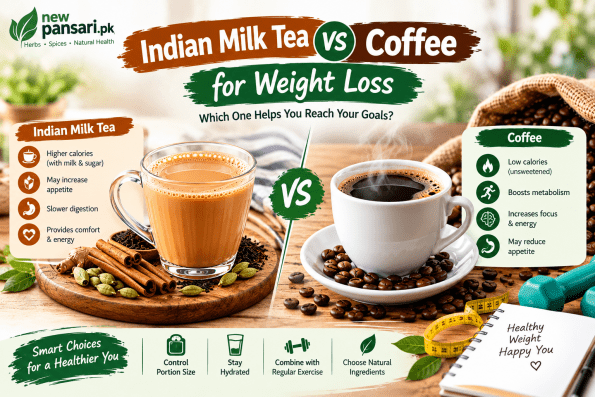
7. Indian Milk Tea vs Coffee for Weight Loss
Weight loss is one of the most common reasons people compare tea and coffee.
The important factor is not simply whether you drink tea or coffee. Your total calorie intake, portion sizes, physical activity, and overall eating habits matter much more.
Indian milk tea and weight management
Traditional Indian milk tea may contain:
- Milk
- Sugar
- Tea leaves
- Optional spices
A cup of lightly sweetened milk tea may fit into a calorie-controlled diet. However, drinking several cups of heavily sweetened chai every day can contribute a substantial amount of additional sugar and calories.
For example, if a cup contains two teaspoons of sugar, drinking four cups daily adds approximately 32 grams of sugar from the tea alone.
Coffee and weight management
Black coffee is naturally low in calories. Caffeine may also produce a small, temporary increase in energy expenditure and may reduce appetite in some people.
However, coffee is not a magic weight-loss drink. Sweetened lattes, cream-based coffees, and flavored drinks may contain considerable calories.
Which is better for weight loss?
Unsweetened tea and black coffee can both be suitable for weight management.
If you prefer milk tea, consider:
- Reducing the amount of sugar.
- Using a moderate quantity of milk.
- Avoiding frequent biscuits, cakes, and fried snacks with tea.
- Monitoring your total daily calorie intake.
If you prefer coffee, avoid relying on sugar, cream, or syrups to improve its taste.
8. Effects on Digestion and Stomach Health

Tea and coffee affect digestion differently from person to person.
Indian milk tea
Some people enjoy tea after meals, while others experience:
- Acidity
- Bloating
- Stomach discomfort
- Symptoms of acid reflux
Milk may also cause digestive problems in people who have lactose intolerance.
Tea contains tannins and other compounds that may affect the absorption of certain nutrients, including non-heme iron from plant-based foods.
People with iron deficiency may benefit from avoiding tea close to iron-rich meals and discussing dietary strategies with a healthcare professional.
Coffee
Coffee can stimulate bowel movements in some people. It may also increase stomach discomfort in individuals who are sensitive to caffeine or acidic beverages.
Possible effects include:
- Heartburn
- Acid reflux
- Stomach irritation
- Increased bowel activity
Neither tea nor coffee causes digestive problems in everyone. Individual tolerance is important.
9. Indian Milk Tea vs Coffee for Heart Health
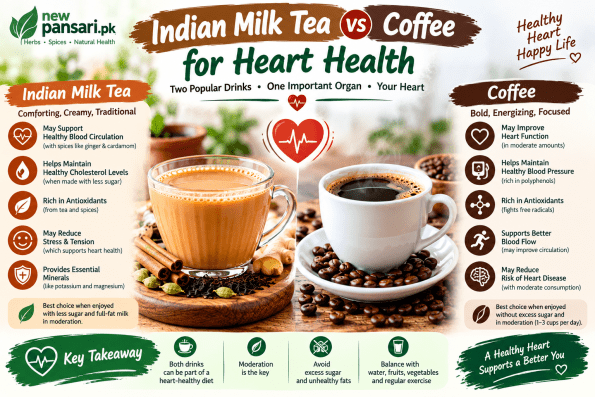
Both tea and coffee can temporarily increase heart rate or blood pressure, particularly in people who are sensitive to caffeine.
Tea and the heart
Black tea contains flavonoids and other plant compounds that are being studied for their potential cardiovascular effects. Some studies associate regular tea consumption with improved cardiovascular outcomes.
Coffee and the heart
Moderate coffee consumption is also compatible with heart health for many adults. Research does not support the idea that coffee is automatically harmful to everyone with cardiovascular concerns.
However, people who experience palpitations, uncontrolled blood pressure, or other heart-related symptoms should discuss caffeine consumption with a healthcare professional.
What should you consider?
- Your caffeine sensitivity
- Your blood pressure
- The amount of sugar consumed
- Your total daily caffeine intake
- Whether you experience palpitations or anxiety
The health effects of tea and coffee cannot be judged by caffeine content alone.
10. Effects on Sleep

Caffeine can remain in the body for several hours. Its effects vary according to metabolism, genetics, medication use, and individual sensitivity.
Drinking tea or coffee late in the day may cause:
- Difficulty falling asleep
- Reduced sleep quality
- Frequent waking
- Restlessness
Coffee generally contains more caffeine per serving, so it may have a stronger effect on sleep. However, strong Indian milk tea can also interfere with sleep.
Tips for better sleep
- Avoid caffeine close to bedtime.
- Monitor how afternoon tea or coffee affects you.
- Choose decaffeinated options when appropriate.
- Maintain a consistent sleep schedule.
People who are particularly sensitive to caffeine may need to stop consuming it earlier in the day.
11. Side Effects of Excessive Tea and Coffee
Moderate consumption is tolerated by many adults, but excessive caffeine intake can cause unwanted symptoms.
Possible side effects of too much Indian milk tea
- Anxiety
- Restlessness
- Headaches
- Increased heart rate
- Sleep disturbances
- Acidity
- Excessive sugar intake
Possible side effects of too much coffee
- Nervousness
- Trembling
- Rapid heartbeat
- Insomnia
- Stomach discomfort
- Increased anxiety
- Caffeine dependence
Caffeine withdrawal may cause headaches, tiredness, irritability, and difficulty concentrating when regular intake is suddenly reduced.
How much caffeine is safe?
For most healthy adults, up to approximately 400 mg of caffeine per day is generally considered an amount unlikely to cause harm.
However, this is not a universal target. Some people experience side effects at much lower amounts.
Pregnant individuals are generally advised to limit caffeine to approximately 200 mg per day. People with certain medical conditions or those taking specific medications may need individualized advice.
12. Indian Milk Tea vs Coffee: Cultural Importance
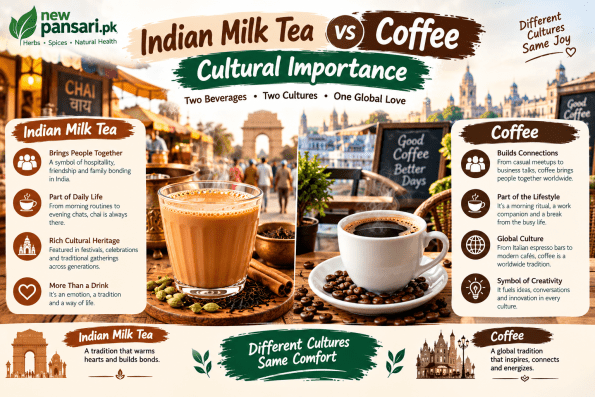
Indian milk tea is more than a beverage. It is closely connected with hospitality, family life, roadside tea stalls, and everyday social interaction.
In many households, chai is served to guests and enjoyed during conversations. Spices such as cardamom, ginger, and cinnamon can give it a distinctive regional character.
Coffee also has a strong cultural presence in India. South Indian filter coffee, for example, is traditionally prepared using a coffee filter and served with hot milk and sugar.
Coffee culture has also expanded through cafés, workplaces, and urban communities.
Both beverages represent different traditions, tastes, and lifestyles.
13. Which Is Better in the Morning?
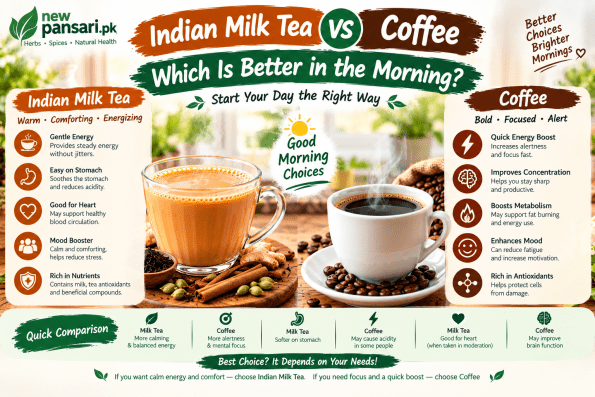
The best morning beverage depends on your personal preferences and caffeine tolerance.
Choose Indian milk tea if:
- You enjoy a mild caffeine boost.
- You prefer a creamy, spiced beverage.
- You like traditional chai.
- You want to enjoy tea as part of your daily routine.
Choose coffee if:
- You prefer a stronger caffeine effect.
- You need help improving alertness.
- You enjoy the taste of coffee.
- You prefer a low-calorie drink without sugar or cream.
Neither beverage is essential for good health. A nutritious breakfast, adequate sleep, and hydration are more important.
14. How to Make Healthier Indian Milk Tea
You can make traditional chai healthier by adjusting its ingredients.
Simple healthier milk tea recipe
Ingredients:
- ½ cup water
- ½ cup milk
- 1 teaspoon black tea leaves
- 1 small cardamom pod
- A small piece of ginger, optional
- A small amount of sugar, according to preference
Method:
- Boil the water with cardamom and ginger.
- Add the tea leaves and simmer briefly.
- Add the milk and heat gently.
- Strain the tea into a cup.
- Add little or no sugar, according to your preference.
Avoid boiling tea for excessively long periods if you find that it makes the drink too strong or causes stomach discomfort.
15. How to Make Healthier Coffee
Coffee can be made healthier by keeping added sugar and high-calorie ingredients under control.
Simple healthy coffee recipe
Ingredients:
- 1 teaspoon instant coffee or an appropriate amount of ground coffee
- 1 cup hot water
- A small amount of milk, optional
- Little or no sugar
Method:
- Add coffee to a cup.
- Pour in hot water.
- Stir thoroughly.
- Add milk if desired.
- Avoid excessive sugar, cream, and flavored syrups.
Black coffee is particularly low in calories, but it may not be suitable for people who experience acidity or caffeine sensitivity.
16. Frequently Asked Questions
Is Indian milk tea healthier than coffee?
Both can be part of a healthy diet. Indian milk tea provides compounds from tea leaves and nutrients from milk, while coffee contains caffeine and several bioactive compounds. The amount of sugar and the total quantity consumed are important.
Which has more caffeine: chai or coffee?
Coffee generally contains more caffeine per typical serving. However, strong Indian milk tea can contain substantial caffeine, depending on the amount of tea leaves and preparation method.
Can milk tea help with weight loss?
Milk tea does not directly cause weight loss. Reducing sugar and controlling portion sizes can help make it suitable for a weight-management plan.
Is black coffee better than sweetened chai for weight loss?
Black coffee is usually lower in calories than heavily sweetened milk tea. However, either beverage can fit into a weight-management diet when consumed in appropriate quantities.
Can tea and coffee cause acidity?
Yes. Both beverages may trigger acidity or reflux in susceptible individuals. Coffee is a common trigger for some people, but strong tea can also cause discomfort.
Can I drink tea and coffee on the same day?
Many healthy adults can consume both, provided their total caffeine intake remains moderate and they do not experience adverse effects.
Which is better for studying?
Coffee may provide a stronger caffeine boost, while Indian milk tea may offer a milder effect. The best choice depends on your caffeine tolerance and sleep schedule.
Is milk tea harmful if consumed daily?
Daily milk tea is not necessarily harmful. However, excessive sugar, high caffeine intake, and frequent consumption of calorie-dense snacks alongside tea may negatively affect health.
17. Final Verdict: Indian Milk Tea vs Coffee
Indian milk tea and coffee both have unique flavors, cultural importance, and potential health benefits.
Coffee generally provides more caffeine and may offer a stronger alertness boost. Indian milk tea usually provides a milder caffeine effect and can supply nutrients from milk. Both drinks contain naturally occurring plant compounds that are being studied for their health effects.
The healthiest choice depends on:
- Your caffeine tolerance
- Your sleep quality
- Your preferred taste
- Your sugar intake
- Your overall diet
- Any medical conditions or symptoms
For most people, the best approach is moderation. Enjoy your favorite beverage without excessive sugar, pay attention to how your body responds, and prioritize a balanced diet and healthy lifestyle.