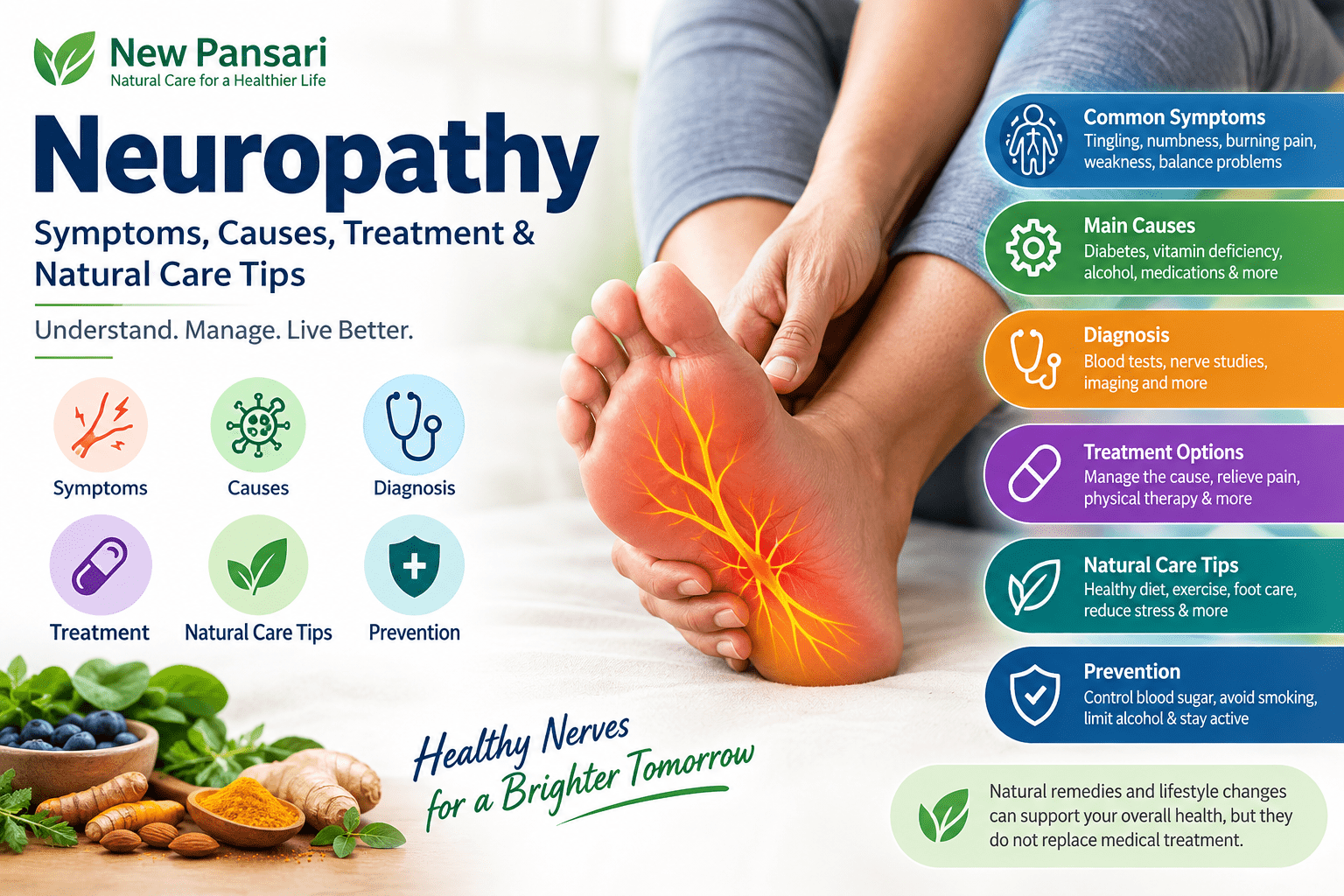
Neuropathy, also called peripheral neuropathy when it affects the peripheral nerves, is a condition in which nerves become damaged or stop functioning properly. It commonly affects the hands, feet, legs, and arms.
People with neuropathy may experience tingling, numbness, burning pain, or weakness. Diabetes is one of the most common causes, but nerve damage can also result from vitamin deficiencies, certain medications, infections, alcohol use, and other medical conditions.
In this complete guide, we will discuss the symptoms, causes, types, diagnosis, treatment options, natural care tips, prevention, and frequently asked questions about neuropathy.
Medical note: Neuropathy can have several causes. Natural remedies and dietary changes may support general health, but they cannot reliably repair damaged nerves or replace medical treatment.
What Is Neuropathy?
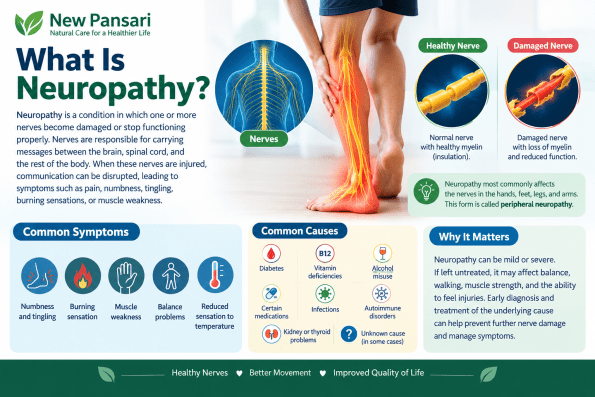
Neuropathy is a general term for damage or dysfunction of one or more nerves. Peripheral neuropathy refers specifically to problems affecting nerves outside the brain and spinal cord.
These nerves carry messages between the brain, spinal cord, muscles, skin, and internal organs. When they become damaged, the messages may be interrupted or transmitted incorrectly.
Depending on the nerves involved, neuropathy can affect:
- Sensation, including touch, temperature, and pain.
- Muscle movement and strength.
- Automatic body functions such as digestion, sweating, and blood pressure.
Peripheral neuropathy often begins in the feet and may later affect the legs, hands, or arms. However, symptoms depend on the type and location of nerve damage.
Symptoms of Neuropathy
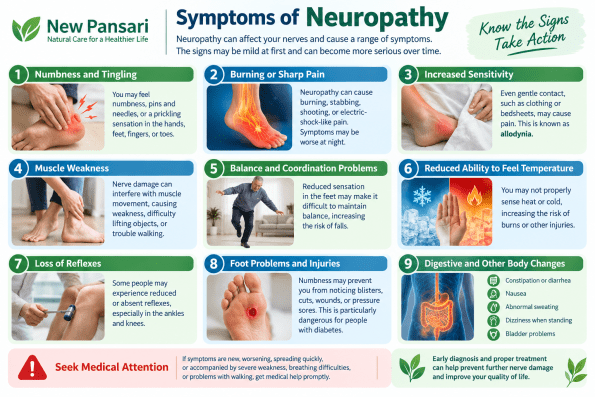
Neuropathy symptoms may develop gradually over weeks or months, although some types can develop quickly. Symptoms range from mild tingling to significant pain, weakness, and problems with balance.
1. Numbness and Tingling
A person may feel numbness, pins and needles, or reduced sensation in the feet, toes, fingers, or hands.
These sensations may be intermittent or continuous.
2. Burning or Shooting Pain
Neuropathic pain may feel like:
- Burning.
- Electric shocks.
- Sharp stabbing.
- Throbbing.
- Prickling.
- A sensation of heat or cold.
Pain may become worse at night and interfere with sleep.
3. Increased Sensitivity
Some people develop extreme sensitivity to touch. Even a bedsheet, socks, or gentle pressure may cause discomfort.
This type of pain is called allodynia.
4. Muscle Weakness
Damage to motor nerves may cause weakness in the hands, feet, arms, or legs. A person may have difficulty walking, climbing stairs, holding objects, or performing everyday tasks.
5. Balance Problems
Reduced sensation in the feet can make it difficult to recognize the position of the body. This may increase the risk of stumbling or falling.
6. Reduced Ability to Feel Temperature
Neuropathy may reduce the ability to detect heat, cold, or pain. This can make burns, cuts, and other injuries harder to notice.
7. Changes in Sweating
When autonomic nerves are affected, a person may sweat excessively or have difficulty sweating.
8. Digestive and Bladder Problems
Autonomic neuropathy may cause symptoms such as constipation, diarrhea, nausea, difficulty emptying the stomach, or changes in bladder function.
Important: Symptoms such as sudden weakness, rapidly progressing numbness, or difficulty breathing require urgent medical assessment.
What Causes Neuropathy?
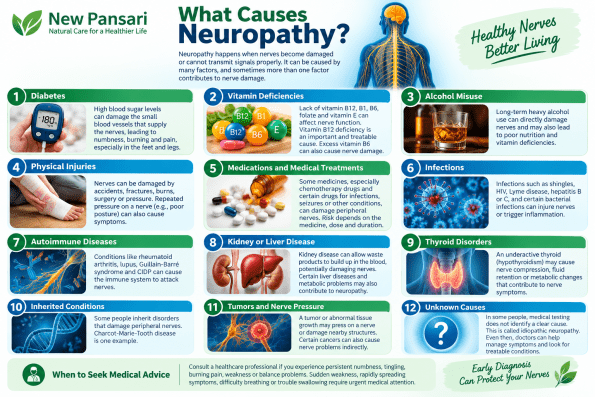
Neuropathy can develop for many reasons. Identifying the underlying cause is important because some causes can be treated, potentially preventing further nerve damage.
1. Diabetes
Diabetes is one of the most common causes of peripheral neuropathy.
Persistently elevated blood glucose can damage nerves and the small blood vessels that supply them. Diabetic neuropathy often affects the feet and legs first, although the hands and arms may also become involved.
People with diabetes should have regular foot examinations and work with their healthcare team to manage blood glucose.
2. Vitamin B12 Deficiency
Vitamin B12 is important for normal nerve function. A deficiency can cause nerve damage, numbness, tingling, and balance problems.
Possible causes of deficiency include:
- Inadequate dietary intake.
- Problems absorbing vitamin B12.
- Certain gastrointestinal conditions.
- Some medications.
Vitamin B12 deficiency should be confirmed and treated under medical guidance.
3. Excessive Alcohol Use
Long-term heavy alcohol consumption may damage nerves directly and may also contribute to nutritional deficiencies.
Reducing or stopping alcohol consumption can be an important part of managing alcohol-related neuropathy.
4. Certain Medications
Some medications can cause peripheral nerve damage as a side effect.
Examples include certain chemotherapy drugs and some medicines used to treat infections or other serious conditions.
Do not stop prescribed medication on your own. Discuss possible side effects with your doctor before making changes.
5. Physical Injury or Nerve Compression
Nerves may become damaged or compressed because of:
- Accidents.
- Falls.
- Fractures.
- Repetitive movements.
- Pressure from casts or braces.
- Conditions such as carpal tunnel syndrome.
The symptoms depend on which nerve is affected.
6. Kidney or Liver Disease
Certain kidney and liver disorders may allow substances to accumulate in the body and contribute to nerve damage.
Treating the underlying disease may help manage the neuropathy.
7. Autoimmune Diseases
Some autoimmune conditions cause the immune system to attack nerves or the tissues surrounding them.
Examples include:
- Guillain–Barré syndrome.
- Chronic inflammatory demyelinating polyneuropathy.
- Lupus.
- Certain forms of vasculitis.
These conditions require specific medical evaluation and treatment.
8. Infections
Some infections can damage nerves directly or trigger inflammation that affects the nervous system.
Examples include shingles, HIV, and certain other viral or bacterial infections.
9. Inherited Conditions
Some forms of neuropathy are caused by genetic changes passed through families.
Charcot–Marie–Tooth disease is one example of an inherited peripheral neuropathy.
10. Unknown Causes
Sometimes, medical testing does not identify a clear cause. This is known as idiopathic neuropathy.
Even when the cause is unknown, healthcare professionals can often help manage symptoms and monitor progression.
Types of Neuropathy
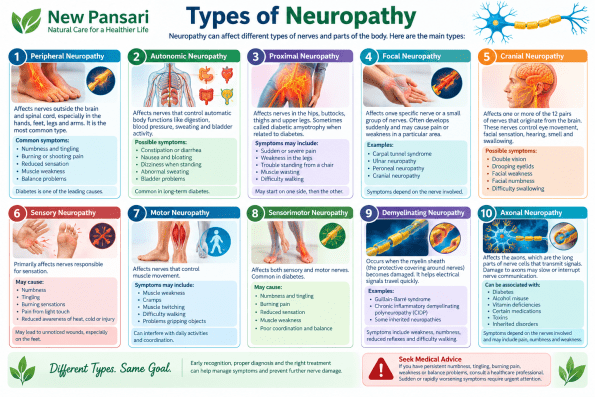
Neuropathy can be classified according to the nerves affected or the number of nerves involved.
1. Peripheral Neuropathy
This is a broad term for damage to nerves outside the brain and spinal cord. It often affects the hands and feet.
2. Diabetic Neuropathy
This occurs when diabetes contributes to nerve damage. It commonly affects sensation in the feet and legs.
3. Peripheral Polyneuropathy
Polyneuropathy affects multiple peripheral nerves, often on both sides of the body.
4. Mononeuropathy
Mononeuropathy affects a single nerve.
Carpal tunnel syndrome is an example. It occurs when the median nerve is compressed at the wrist.
5. Autonomic Neuropathy
This type affects nerves responsible for automatic body functions, including:
- Blood pressure regulation.
- Digestion.
- Sweating.
- Bladder function.
- Heart rate.
6. Motor Neuropathy
Motor neuropathy primarily affects nerves that control muscles. It may cause weakness, cramps, or difficulty moving.
7. Sensory Neuropathy
Sensory neuropathy affects nerves involved in feeling touch, pain, temperature, and vibration. Numbness, tingling, and burning pain are common symptoms.
A person may have more than one type of nerve involvement at the same time.
How Is Neuropathy Diagnosed?
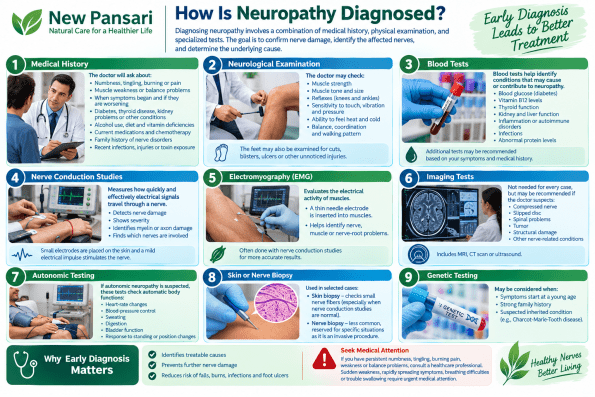
A healthcare professional will usually begin by asking about your symptoms, medical history, medications, diet, alcohol use, and family history.
A physical examination may assess:
- Muscle strength.
- Reflexes.
- Sensation to touch.
- Ability to feel vibration.
- Temperature and pain sensation.
- Balance and coordination.
- Foot health.
Common Diagnostic Tests
Depending on the symptoms, a doctor may recommend:
1. Blood Tests
Blood tests may help identify diabetes, vitamin B12 deficiency, thyroid disorders, kidney problems, and other possible causes.
2. Nerve Conduction Studies
These tests measure how quickly and effectively electrical signals travel through nerves.
3. Electromyography
Electromyography, or EMG, assesses the electrical activity of muscles and may help identify nerve or muscle problems.
4. Imaging Tests
MRI or other imaging may be used when a compressed nerve, spinal problem, or structural abnormality is suspected.
5. Additional Tests
In selected cases, doctors may recommend genetic testing, skin biopsy, nerve biopsy, or specialized autonomic testing.
The tests used depend on the suspected cause and the symptoms.
Neuropathy Treatment Options
Treatment depends on the underlying cause, the type of neuropathy, and the severity of symptoms. The main goals are to treat the cause, prevent further nerve damage, and relieve discomfort.
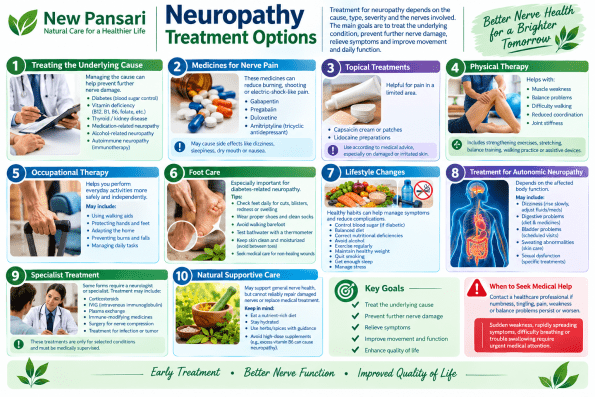
1. Manage Diabetes
For people with diabetic neuropathy, appropriate blood glucose management is essential.
A healthcare professional may recommend:
- Monitoring blood glucose.
- Following a suitable meal plan.
- Taking prescribed diabetes medication.
- Exercising safely.
- Maintaining a healthy weight.
- Having regular foot examinations.
Good diabetes management may slow progression and help reduce complications.
2. Correct Vitamin Deficiencies
If testing confirms a vitamin deficiency, a doctor may recommend dietary changes or supplements.
Vitamin B12 deficiency may be treated with oral supplements or injections, depending on its cause and severity.
Do not take high-dose vitamin B6 supplements without medical advice. Excess vitamin B6 can itself cause peripheral neuropathy.
3. Treat the Underlying Disease
When neuropathy is caused by another medical condition, treating that condition may help prevent additional nerve damage.
Examples include:
- Treating vitamin B12 deficiency.
- Managing thyroid disease.
- Addressing kidney disease.
- Treating certain infections.
- Reviewing medications that may contribute to nerve damage.
4. Medicines for Nerve Pain
Neuropathic pain may require prescription treatment.
Depending on the individual situation, doctors may consider:
- Gabapentin.
- Pregabalin.
- Duloxetine.
- Certain tricyclic antidepressants.
- Topical lidocaine.
- Other appropriate pain-management treatments.
These medicines can have side effects, including dizziness, drowsiness, or interactions with other medications. A doctor should determine which option is appropriate.
Ordinary painkillers do not always provide adequate relief for neuropathic pain.
5. Physical Therapy
Physical therapy may help people who experience weakness, balance problems, or difficulty walking.
A therapist may recommend:
- Strengthening exercises.
- Balance training.
- Stretching.
- Walking support.
- Fall-prevention strategies.
6. Braces and Supportive Devices
Some people benefit from orthopedic shoes, braces, or splints. These devices may improve stability, protect vulnerable areas, or reduce pressure on compressed nerves.
7. Treat Nerve Compression
When a specific nerve is compressed, treatment may include activity modification, splints, physical therapy, or, in selected cases, surgery.
The appropriate treatment depends on the nerve involved and the severity of the compression.
Natural Care Tips for Neuropathy
Natural lifestyle measures may support general health and help reduce complications. However, they do not reliably reverse established nerve damage.
1. Eat a Balanced Diet
A varied diet can help provide nutrients important for normal nerve function.
Include foods such as:
- Eggs.
- Fish.
- Lentils and beans.
- Whole grains.
- Green leafy vegetables.
- Fruits.
- Nuts and seeds.
- Dairy products or suitable alternatives.
If you have diabetes, choose a meal plan that also supports blood glucose management.
2. Include Vitamin B12 Sources
Vitamin B12 is found naturally in foods such as fish, meat, eggs, and dairy products.
People following a strict vegan diet may need fortified foods or a supplement, depending on their nutritional needs.
However, B12 supplements are not a treatment for neuropathy unless deficiency or another appropriate indication is present.
3. Exercise Safely
Regular physical activity may help support cardiovascular health, strength, balance, and diabetes management.
Suitable activities may include:
- Walking.
- Swimming.
- Stationary cycling.
- Gentle strength training.
- Balance exercises.
If you have significant numbness, weakness, or balance problems, consult a healthcare professional before starting a new exercise routine.
4. Protect Your Feet
Foot care is particularly important when neuropathy reduces sensation.
Follow these habits:
- Inspect your feet daily.
- Look for cuts, blisters, redness, or swelling.
- Wear comfortable, properly fitting footwear.
- Avoid walking barefoot if you have reduced sensation.
- Check bathwater temperature carefully.
- Keep toenails trimmed safely.
- Seek medical advice for wounds that do not heal.
Reduced sensation can make injuries difficult to notice.
5. Avoid Smoking
Smoking can damage blood vessels and negatively affect circulation. Quitting smoking supports overall cardiovascular and nerve health.
6. Limit or Avoid Alcohol
Alcohol may contribute to nerve damage, particularly with long-term heavy use.
If alcohol is contributing to neuropathy, stopping or reducing consumption with appropriate support may be beneficial.
7. Maintain a Healthy Weight
Maintaining a suitable weight may help reduce metabolic risk factors and support diabetes management.
8. Get Enough Sleep
Pain and tingling can interfere with sleep. A regular sleep schedule and appropriate pain management may help improve rest.
9. Manage Stress
Stress-management techniques may help people cope with chronic pain.
Options include:
- Relaxation exercises.
- Meditation.
- Gentle yoga.
- Breathing exercises.
- Counseling.
- Support groups.
These approaches may improve coping and well-being but do not directly repair damaged nerves.
10. Avoid Unproven Herbal Cures
Many herbal products are promoted for “nerve repair” or “permanent neuropathy treatment.” Strong evidence for most such claims is lacking.
Some supplements can interact with medicines or cause harm. Discuss herbal products and supplements with a qualified healthcare professional before using them, especially if you have diabetes, kidney disease, or take prescription medication.
Can Herbal Remedies Help With Neuropathy?

Herbal remedies are sometimes used in traditional medicine to support general wellness and relieve discomfort. However, there is currently insufficient high-quality evidence that herbal products can reverse peripheral nerve damage.
Some supplements and herbs have been studied for nerve-related symptoms, but research results vary, and product quality can be inconsistent.
1. Turmeric
Turmeric contains curcumin, a compound studied for its anti-inflammatory properties.
Although curcumin has been investigated in several health conditions, there is not enough reliable clinical evidence to recommend turmeric as a treatment for peripheral neuropathy.
2. Ginger
Ginger is traditionally used to support digestion and general wellness. However, it has not been established as an effective treatment for nerve damage.
3. Amla
Amla contains vitamin C and other plant compounds. It can be part of a balanced diet, but there is no strong evidence that consuming amla reverses neuropathy.
4. Nutritional Supplements
Certain vitamins and nutrients are important for nerve health, particularly when a deficiency exists.
However, taking unnecessary high-dose supplements may be harmful. For example, excessive vitamin B6 can cause nerve damage.
Always identify the cause of neuropathy before choosing supplements or herbal products.
Neuropathy Prevention Tips
Not every case of neuropathy can be prevented, but several healthy habits may reduce the risk of nerve damage.
1. Manage Blood Sugar
People with diabetes should follow their prescribed treatment plan and monitor blood glucose as recommended.
2. Eat a Nutritious Diet
A balanced diet helps provide essential nutrients and may reduce the risk of nutritional deficiencies.
3. Avoid Excessive Alcohol
Long-term heavy alcohol consumption can damage nerves and contribute to vitamin deficiencies.
4. Avoid Smoking
Smoking can affect blood vessel health and may worsen circulation-related risks.
5. Protect Yourself From Injuries
Use appropriate safety equipment and avoid prolonged pressure on nerves.
6. Review Medications
If you develop tingling or numbness after starting a medication, discuss it with your doctor.
7. Check Your Feet
People with diabetes or reduced sensation should inspect their feet regularly for injuries.
8. Stay Physically Active
Regular, appropriate exercise supports general health, muscle strength, and balance.
These measures may reduce certain risks, but they cannot prevent every type of neuropathy.
When Should You See a Doctor?
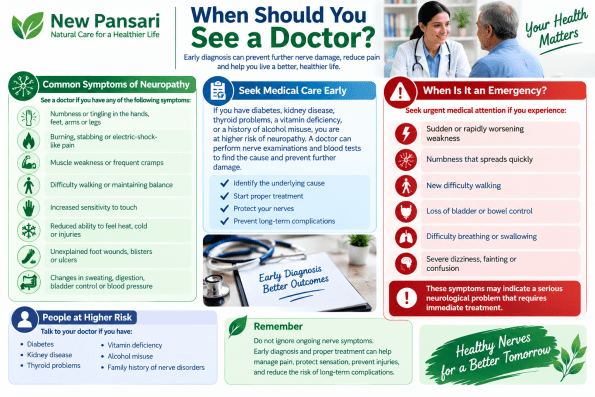
You should arrange a medical appointment if you experience persistent:
- Numbness.
- Tingling.
- Burning feet.
- Unexplained nerve pain.
- Muscle weakness.
- Balance problems.
- Changes in sensation.
Early evaluation may help identify a treatable cause and prevent further nerve damage.
Seek Emergency Medical Care If You Experience:
- Sudden weakness or numbness, particularly on one side of the body.
- Rapidly worsening weakness in the legs or arms.
- Difficulty breathing or swallowing.
- New severe balance problems.
- Sudden loss of bladder or bowel control with other neurological symptoms.
These symptoms may indicate a serious neurological problem and should not be assumed to be ordinary neuropathy.
Frequently Asked Questions About Neuropathy
1. What is the main cause of neuropathy?
Diabetes is one of the leading causes of peripheral neuropathy. Other causes include vitamin B12 deficiency, alcohol-related nerve damage, physical injury, infections, certain medications, autoimmune diseases, and inherited conditions.
2. What are the first signs of neuropathy?
Early symptoms may include tingling, pins and needles, numbness, burning sensations, or reduced sensitivity in the toes, feet, fingers, or hands.
3. Can neuropathy be cured permanently?
Some forms of neuropathy may improve when the underlying cause is treated. For example, correcting a vitamin deficiency or addressing a reversible cause may improve symptoms.
However, some nerve damage is long-lasting or permanent. The outcome depends on the cause, severity, and duration of the condition.
4. Can neuropathy cause burning feet?
Yes. Burning feet are a common symptom of sensory neuropathy, particularly when the nerves in the feet are affected.
However, burning feet can also have other causes, so persistent symptoms should be evaluated.
5. Is diabetic neuropathy reversible?
Diabetic neuropathy may improve in some circumstances, but established nerve damage is not always reversible.
Appropriate blood glucose management, foot care, and treatment of nerve pain can help reduce complications and improve quality of life.
6. Can vitamin B12 deficiency cause neuropathy?
Yes. Vitamin B12 deficiency can damage nerves and may cause numbness, tingling, weakness, or balance problems.
A blood test can help identify a deficiency, and treatment may improve symptoms. Early treatment is important.
7. Can neuropathy cause muscle weakness?
Yes. If motor nerves are affected, neuropathy may cause muscle weakness, cramps, difficulty walking, or problems holding objects.
8. Is neuropathy related to poor circulation?
and poor circulation are different conditions, but they can occur together. Diabetes, smoking, and blood-vessel disease may contribute to both nerve damage and circulation problems.
9. Can exercise help neuropathy?
Appropriate exercise may improve strength, balance, cardiovascular health, and diabetes management. It may also help some people manage discomfort.
People with severe numbness or weakness should obtain medical advice before starting a new exercise program.
10. Are herbal remedies effective for neuropathy?
There is insufficient high-quality evidence that most herbal remedies can repair damaged nerves or cure neuropathy.
Herbal products should not replace diagnosis, prescribed treatment, or management of the underlying cause.
Final Thoughts
Neuropathy is a condition involving damage or dysfunction of nerves, often affecting the feet, legs, hands, or arms. It may cause numbness, tingling, burning pain, weakness, and balance problems.
Diabetes, vitamin deficiencies, alcohol use, injuries, medications, and other medical conditions can contribute to nerve damage.
The best approach is to identify the underlying cause, follow appropriate medical treatment, protect areas with reduced sensation, maintain a balanced diet, and adopt healthy lifestyle habits.
If you experience persistent numbness, burning feet, or unexplained nerve pain, consult a healthcare professional. Early assessment can help identify treatable causes and reduce the risk of complications.