


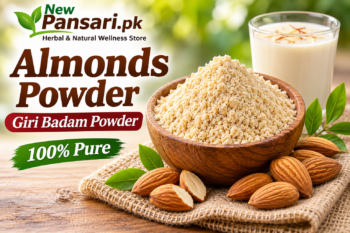
Almond Powder Giri Badam Powder 100% Pure Prunus dulcis مغز بادام پاؤڈر


Price range: ₨550.00 through ₨2,200.00
24 sold in last 17 hours
Hurry! Over 14 people have this in their carts
Brand: New Pansari
- Supports brain health and cognitive function
- Rich in healthy fats and protein
- Boosts energy and stamina
- Promotes heart health
- Supports bone and dental health
- Helps maintain healthy skin
- Aids in digestion
- Enhances overall wellness
... people are viewing this right now
Related Products

Khopra Powder || Dry Coconut Powder || Pisa Khopra || Cocos nucifera 100% Pure
Price range: ₨200.00 through ₨700.00
- Supports digestive health
- Rich in healthy fats and natural energy
- Promotes hair and skin health
- Aids in metabolism and overall wellness
- Contains antioxidants
- Helps boost immunity
- Adds natural flavor to cooking and desserts
- Supports heart health

Moringa Capsules | مورینگا کپسول | Moringa oleifera 100% Pure
Price range: ₨600.00 through ₨850.00
- Boosts immunity naturally
- Rich in vitamins, minerals, and antioxidants
- Supports energy and vitality
- Promotes healthy digestion
- Aids in maintaining healthy blood sugar levels
- Supports heart and liver health
- Helps reduce fatigue
- Traditionally used for overall wellness

Ashwagandha Capsules (Winter Cherry Capsules) 100% Pure Withania somnifera
Price range: ₨760.00 through ₨1,160.00
اسگند کپسول مردوں اور عورتوں دونوں کے لیے بہترین ہیں
Can reduce cortisol levels.
May help reduce stress and anxiety.
May reduce symptoms of depression.
Can boost testosterone and increase fertility in men.

Flax Seeds Powder ( Alsi Powder ) السی پاؤڈر Linum usitatissimum 100% Pure
Price range: ₨300.00 through ₨700.00
- Supports heart health and healthy cholesterol levels
- Rich in omega-3 fatty acids
- Aids digestion and promotes gut health
- Helps maintain healthy weight
- Contains antioxidants for overall wellness
- Supports hormonal balance
- May help regulate blood sugar levels
- Boosts energy and vitality

Licorice Capsules || ملٹھی کپسول || Glycyrrhiza glabra 100% Pure
Price range: ₨750.00 through ₨1,250.00
- Supports respiratory and throat health
- Helps soothe digestive discomfort
- Boosts immunity naturally
- Contains anti-inflammatory properties
- Promotes liver and kidney wellness
- Rich in antioxidants
- May help reduce fatigue
- Traditionally used for overall wellness

Buy Dry Ginger Capsules Zingiber officinale Supplement 100% Pure
Price range: ₨850.00 through ₨1,250.00
500mg
- Supports digestion and relieves bloating
- Helps reduce nausea and motion sickness
- Boosts immunity naturally
- Has anti-inflammatory properties
- Supports joint and muscle health
- Promotes healthy metabolism
- Rich in antioxidants
- Aids in respiratory wellnes

Ginseng Capsules Panax ginseng Supplement 100% Pure
Price range: ₨1,700.00 through ₨2,500.00
- Boosts energy and reduces fatigue
- Enhances mental focus and cognitive function
- Supports immunity and overall wellness
- May help manage stress and improve mood
- Promotes healthy metabolism
- Contains natural antioxidants
- Supports physical endurance and vitality
- Traditionally used for overall health and longevity

Millet Flour (Bajra ka ata) باجرہ کا آٹا Pennisetum glaucum 100% Pure
Price range: ₨200.00 through ₨600.00
- Supports digestive health
- Rich in fiber and essential nutrients
- Helps maintain heart health
- Aids in weight management
- Promotes sustained energy
- Gluten-free and easy to digest
- Supports bone health
- Enhances overall wellness

Onion Capsules Allium cepa 100٪ Pure
Price range: ₨790.00 through ₨1,200.00
- Supports heart health and healthy cholesterol levels
- Boosts immunity naturally
- Contains natural antioxidants
- Aids in digestion and gut health
- Helps reduce inflammation
- Supports respiratory wellness
- Promotes overall vitality and wellness

Indian Musli Capsules | موصلی انڈیا کپسول | Chlorophytum borivilianum 100% Pure
Price range: ₨1,450.00 through ₨1,950.00
- Supports male vitality and stamina
- Enhances physical endurance and energy
- Boosts immunity naturally
- Contains natural antioxidants
- Promotes hormonal balance
- Supports overall wellness and strength
- Traditionally used for vitality and wellness

Kamarkas Capsules | Palash Capsules | Butea monosperma Capsules | 100% Natural Herbal Supplement
Price range: ₨900.00 through ₨1,300.00
- Supports liver and kidney health
- Aids in detoxification and purification
- Promotes digestive wellness
- Helps maintain healthy metabolism
- Has natural anti-inflammatory properties
- Rich in antioxidants
- Traditionally used for overall vitality and wellness
-
Supports energy and stamina

Maca Root Capsules || میکا روٹ کپسول || Lepidium meyenii 100% Pure
Price range: ₨1,750.00 through ₨2,300.00
- Supports respiratory and throat health
- Soothes digestive discomfort
- Boosts immunity naturally
- Contains anti-inflammatory properties
- Promotes liver and kidney wellness
- Rich in antioxidants
- Helps reduce fatigue
- Supports overall vitality and wellness
Reviews
There are no reviews yet.