


Black Salt (Kala Namak ) 100% Pure Sodium Chloride (NaCl)


Price range: ₨100.00 through ₨750.00
24 sold in last 5 hours
Hurry! Over 15 people have this in their carts
Brand: New Pansari
- Aids digestion – helps relieve bloating, acidity, and indigestion.
- Rich in minerals – supports electrolyte balance and overall health.
- Boosts metabolism – promotes better nutrient absorption.
- Supports heart health – may help regulate blood pressure.
- Enhances flavor – adds a unique smoky, tangy taste to dishes.
- Natural laxative – can help relieve constipation naturally.
... people are viewing this right now
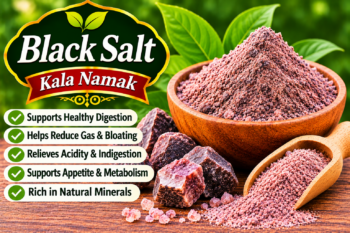 Black Salt (Kala Namak): The Tangy, Savoury Salt of South Asia
| Quantity | 100GM, 250GM, 500GM, 1 kg |
|---|---|
| Form | Whole ( ثابت ), Grounded ( کٹی ہوی ), Powder ( پسا ہوا ) |
Related Products

New Pansari Fish Masala Powder (Machli Masala Powder) 100% Pure
Price range: ₨180.00 through ₨700.00
- Adds authentic, flavorful seasoning to fish dishes
- Convenient and ready-to-use spice mix
- Enhances aroma and taste of seafood
- Made with a blend of natural spices
- Perfect for cooking and marination


Black Pepper (Kaali Mirch) Piper nigrum 100% Pure
Price range: ₨250.00 through ₨2,300.00
- Aids digestion – stimulates digestive enzymes and reduces bloating.
- Boosts metabolism – supports weight management and energy levels.
- Rich in antioxidants – protects cells from oxidative stress.
- Supports respiratory health – helps relieve congestion and cold symptoms.
- Enhances nutrient absorption – improves bioavailability of vitamins and minerals.
- Culinary spice – adds flavor and aroma to a wide range of dishes.

Black Pepper Powder | Kali Mirch Powder | Piper nigrum 100% Pure
Price range: ₨250.00 through ₨1,800.00
- Aids digestion – stimulates digestive enzymes and reduces bloating.
- Boosts metabolism – supports weight management and energy levels.
- Rich in antioxidants – protects cells from oxidative stress.
- Supports respiratory health – helps relieve congestion and cold symptoms.
- Enhances nutrient absorption – improves bioavailability of vitamins and minerals.
- Culinary spice – adds flavor and aroma to a wide range of dishes.


Star Anise Badiyan Illicium verum 100% Pure Natural Whole Spice
Price range: ₨150.00 through ₨1,440.00
- Adds sweet, licorice-like aroma to dishes
- Enhances flavor in teas, desserts, and curries
- Rich in natural antioxidants
- Supports digestion naturally
- Commonly used in traditional remedies


Cumin White (Zeera Safaid, Safaid Zeera) Cuminum cyminum 100% Pure
Price range: ₨250.00 through ₨1,700.00
- Improves digestion
- Reduces bloating
- Boosts immunity
- Rich in antioxidants
- Supports weight management
- Regulates blood sugar
- Enhances skin health
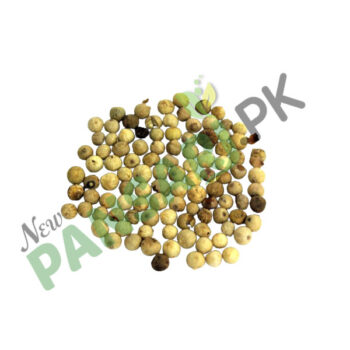
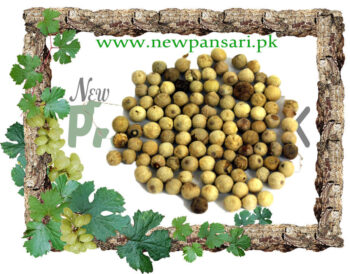
White Pepper (Safed Mirch) 100% Pure Natural Whole Spice
Price range: ₨70.00 through ₨1,550.00
- Aids digestion
- improves metabolism
- boosts immunity
- supports respiratory health
- reduces inflammation
- promotes heart health
- natural antioxidant
- enhances overall wellness

Green Cardamom Powder (Sabz Elaichi Powder) Elettaria cardamomum 100% Pure
Price range: ₨200.00 through ₨1,900.00
- Adds sweet, aromatic flavor to dishes and beverages
- Supports digestion naturally
- Rich in antioxidants
- Ideal for sweets, teas, and baking
- Convenient and easy to use


Cloves | Laung | Syzygium aromaticum 100% Pure
Price range: ₨450.00 through ₨3,000.00
- Adds strong, aromatic flavor to dishes
- Supports oral health
- Rich in antioxidants
- Helps improve digestion
- Can be used in cooking, teas, and remedies

Clove Powder (Long Powder) لونگ پائوڈر Syzygium aromaticum 100% Pure
Price range: ₨400.00 through ₨1,650.00
- Adds strong, aromatic flavor to dishes
- Supports oral health
- Rich in antioxidants
- Helps improve digestion
- Can be used in cooking, teas, and remedies


Bay Leaf (Tez Paat, Tez Patta) 100% Natural Spice Cinnamomum tamala
Price range: ₨130.00 through ₨1,050.00
- Supports digestion
- Anti-inflammatory
- Boosts immunity
- Heart health
- Aromatherapy & flavoring
- Respiratory support


Green Cardamom (Elaichi) Elettaria cardamomum 100% Fresh Dry
Price range: ₨1,000.00 through ₨4,800.00
- Aids digestion
- Freshens breath
- Boosts metabolism
- Rich in antioxidants
- May improve oral health
- Helps in detoxification

Turmeric Powder – Haldi Powder – 100% Pure Ground Curcuma longa
Price range: ₨250.00 through ₨1,700.00
- Adds warm, earthy flavor and rich color to dishes
- Contains curcumin, a powerful antioxidant
- Supports immunity and overall wellness
- Helps reduce inflammation naturally
- Ideal for curries, milk drinks, and herbal remedies
Reviews
There are no reviews yet.