


Cloves | Laung | Syzygium aromaticum 100% Pure


Price range: ₨450.00 through ₨3,000.00
- Adds strong, aromatic flavor to dishes
- Supports oral health
- Rich in antioxidants
- Helps improve digestion
- Can be used in cooking, teas, and remedies
Cloves (Laung): The Tiny Flower Bud with a Powerful Aroma
What Are Cloves?
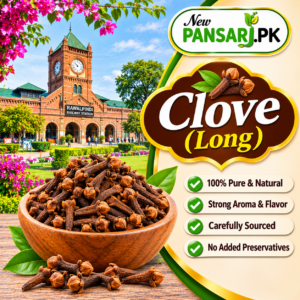
Cloves, known in Urdu and Hindi as laung or long, are the dried, unopened flower buds of the evergreen tree Syzygium aromaticum. The tree is native to the Maluku Islands of Indonesia, once known as the “Spice Islands,” and is now grown in Indonesia, Madagascar, Tanzania, Sri Lanka and India. Harvesters pick the buds while they are still pink, then sun-dry them until they turn a deep reddish-brown. Each bud looks like a tiny nail with a rounded head, which is where the name comes from (the Latin clavus means “nail”).
Cloves have been traded for thousands of years and were once worth more than their weight in silver.
Why Cloves Smell and Taste So Strong
The intense, warm and slightly numbing flavour of laung comes mainly from a natural compound called eugenol, which makes up a large share of the b
ud’s essential oil. This is why a single clove can flavour an entire pot of rice, and why cloves should be used with care.
How Cloves Are Used in the Kitchen
Laung is one of the core whole spices of South Asian cooking. Common uses include:
- Biryani and pulao: Whole cloves are fried in hot oil or ghee with cardamom and cinnamon.
- Curries and meat dishes: Added to slow-cooked mutton, beef and chicken.
- Garam masala: A key ingredient in homemade and store-bought blends.
- Masala chai and kehwa: One or two cloves add warmth to tea.
- Sweets and desserts: Used in zarda, kheer, mulled drinks and baked goods.
- Pickles and marinades: Adds sharp, fragrant depth.
- Studded foods: Pressed into onions for stocks, or into apples and oranges for aroma.
Whole Cloves vs Clove Powder
- Whole cloves: Best for slow cooking, rice dishes and infusions. They keep their aroma for a long time and are removed before eating.
- Clove powder: Best for baking, spice blends and quick dishes, but it loses aroma faster and is easier to adulterate.
Many cooks buy whole cloves and grind small amounts when needed.
How to Use Cloves
Cloves are strong, so a little goes a long way.
- For rice or curries, use 2 to 4 whole cloves for a family-size pot.
- Add them to hot oil or ghee for 10 to 15 seconds before the other ingredients.
- For tea, add 1 or 2 cloves while the water simmers.
- For baking, use about 1/8 to 1/4 teaspoon of ground clove per recipe.
Tips
- Lightly toast whole cloves in a dry pan to deepen the aroma.
- Remove whole cloves before serving, since biting into one can be overwhelming.
- Too much clove can taste bitter and numbing, so measure carefully.
Traditional Use
Laung has a long place in South Asian home practice. Families commonly chew a clove after meals to freshen the breath, add it to warm winter drinks, and use it in herbal teas. Clove oil has also been used traditionally for oral care. Cloves are rich in aromatic compounds and antioxidants, and researchers continue to study them. However, cloves are mainly a culinary spice, and they should not be treated as a cure for any condition, including toothache, or as a replacement for dental or medical care.
What “100% Pure” Means
Whole cloves are generally sold as they are, so “100% pure” means just the dried buds, with nothing added. Some sellers mix in clove stems or buds that have already had their oil extracted (called “exhausted” cloves), which look similar but have far less aroma. When buying, look for:
- Plump, full buds: Good cloves have a full, rounded head and a sturdy stem.
- Deep reddish-brown colour: Avoid pale, shrivelled or grey-looking cloves.
- A strong, sweet-spicy aroma: Rub one between your fingers. The smell should be rich and sharp.
- Oily feel: Fresh cloves feel slightly oily when pressed with a fingernail.
- Clean and dry: There should be no dampness, mould, stems or dust.
Simple home checks
- Water test: Drop a few cloves in a glass of water. Good, oil-rich cloves tend to sink or float upright, while exhausted cloves float flat or look swollen.
- Press test: Press a clove with a fingernail. A genuine one releases a little oil.
- Smell and taste test: A pinch should give a strong aroma and a warm, numbing taste.
No home test is perfect, so buying from a trusted supplier matters most.
Storage
Keep cloves in an airtight glass jar or steel tin, away from sunlight, heat and moisture. Whole cloves stay flavourful for a year or more, while powder fades within months. Always use a dry spoon.
Who Should Be Careful?
- Clove oil: It is very concentrated and should never be swallowed or applied undiluted. It can irritate the mouth, skin and stomach.
- Pregnancy and breastfeeding: Food amounts are common, but check with a doctor before using larger or medicinal quantities.
- Blood-thinning and diabetes medicine: Eugenol may affect blood clotting, so anyone on regular medication or facing surgery should ask a doctor first.
- Allergies: Some people are sensitive to cloves.
- Children: Keep clove oil away from children, and avoid home remedies for infants without medical advice.
Final Thoughts
Laung proves that the smallest spices can be the most powerful. A few cloves can transform a pot of biryani, a cup of chai or a pan of zarda into something fragrant and memorable. Choose plump, oily, deep-brown buds, store them airtight, and use them with a careful hand.
| Quantity | 50GM, 100GM, 250GM, 500GM |
|---|---|
| Form | Whole ( ثابت ), Grounded ( کٹی ہوی ), Powder ( پسا ہوا ) |
Related Products

- Adds warm, earthy flavor and rich color to dishes
- Contains curcumin, a powerful antioxidant
- Supports immunity and overall wellness
- Helps reduce inflammation naturally
- Ideal for curries, milk drinks, and herbal remedies


- Reduces inflammation
- boosts immunity
- supports joint health
- aids digestion
- promotes liver health
- enhances skin glow
- natural antioxidant
- improves overall wellness


- Supports heart health and healthy cholesterol levels
- May aid in digestion and metabolism
- Rich in natural antioxidants
- May help maintain healthy blood sugar levels
- Traditionally used for skin and hair wellness
- Supports overall vitality and wellness


- Supports digestion
- Anti-inflammatory
- Boosts immunity
- Heart health
- Aromatherapy & flavoring
- Respiratory support


- Supports digestion – helps relieve bloating, gas, and indigestion.
- Boosts immunity – strengthens the body’s natural defense system.
- Anti-inflammatory & antioxidant – protects cells and reduces inflammation.
- Respiratory health – may ease cough, congestion, and cold symptoms.
- Heart health – supports healthy cholesterol and blood pressure levels.
- Culinary & medicinal use – adds flavor to dishes and supports wellness.


- Boosts digestion
- Rich in antioxidants
- Supports immunity
- Enhances flavor
- Natural remedy
- Improves metabolism

- 100% Pure Kachri Powder
- Premium Quality Cucumis pubescens
- Finely Ground for Easy Use
- Rich Natural Flavor
- No Artificial Colors
- No Added Preservatives
- Fresh and Hygienically Packed
- Suitable for Culinary and Herbal Applications
- Quality Assured Product
- Traditional Natural Ingredient

- Adds natural sweetness and aroma
- Supports digestion
- Rich in antioxidants
- Helps regulate blood sugar
- Can be used in cooking and beverages


- Adds natural sweetness and aroma
- Supports digestion
- Rich in antioxidants
- Helps regulate blood sugar
- Can be used in cooking and beverages

- Adds sweet, aromatic flavor to dishes and beverages
- Supports digestion naturally
- Rich in antioxidants
- Ideal for sweets, teas, and baking
- Convenient and easy to use

- Supports digestion naturally
- Rich in enzymes and vitamins
- Can aid in skin and overall health
- Easy to use in drinks, smoothies, and recipes
- Long shelf life compared to fresh papaya


- Supports digestion – helps relieve bloating, gas, and indigestion.
- Boosts immunity – strengthens the body’s natural defense system.
- Anti-inflammatory & antioxidant – protects cells and reduces inflammation.
- Respiratory health – may ease cough, congestion, and cold symptoms.
- Heart health – supports healthy cholesterol and blood pressure levels.
- Culinary & medicinal use – adds flavor to dishes and supports wellness.
Reviews
There are no reviews yet.