Digestive health plays an important role in overall well-being. A healthy digestive system helps the body break down food, absorb nutrients, and eliminate waste. However, many people experience digestive discomfort, including gas, bloating, nausea, constipation, and indigestion. Eating too quickly, consuming heavy meals, stress, dehydration, and certain medical conditions can contribute to these problems.
Herbs and spices have been used in traditional healing systems for centuries to support digestive comfort. Popular choices include ginger, fennel, peppermint, ajwain, cumin, and coriander. Some herbs have promising scientific evidence for particular symptoms, while others are mainly supported by traditional use.
In this guide, we explore the 10 best herbs for digestion, their traditional uses, potential benefits, preparation methods, safety considerations, and simple lifestyle habits that may help support a healthy digestive system.
What Is Digestive Health?

Digestive health refers to how effectively the gastrointestinal system processes food, absorbs nutrients, and removes waste. The digestive system includes the mouth, esophagus, stomach, small intestine, large intestine, liver, pancreas, and gallbladder.
When digestion is working properly, food moves through the digestive tract efficiently, nutrients are absorbed, and bowel movements occur regularly.
Several factors can affect digestive health, including:
- Eating large or fatty meals
- Eating too quickly
- Drinking insufficient water
- Consuming too little dietary fiber
- Stress and poor sleep
- Low physical activity
- Food intolerances
- Certain medications
- Digestive conditions such as acid reflux or irritable bowel syndrome (IBS)
Common digestive complaints include bloating, abdominal discomfort, excessive gas, nausea, heartburn, constipation, and diarrhea. These symptoms may have different causes, so the most appropriate approach depends on the problem.
10 Best Herbs for Digestion
1. Ginger (Adrak)

Ginger, scientifically known as Zingiber officinale, is one of the most widely used culinary herbs for digestive comfort. Its active compounds, including gingerols and shogaols, have been investigated for several potential health effects.
Potential benefits of ginger
- May help relieve certain types of nausea.
- May support relief from nausea associated with pregnancy when used appropriately.
- Can be incorporated into a balanced diet.
- May provide a warming, soothing beverage for people experiencing mild digestive discomfort.
Research on ginger is strongest for certain types of nausea. Evidence that it treats general indigestion or other digestive conditions is less conclusive.
How to use ginger
Add a few thin slices of fresh ginger to a cup of hot water. Allow it to steep for approximately five to ten minutes, then strain before drinking. Ginger can also be added to soups, vegetables, and everyday meals.
Precautions: Ginger can cause heartburn, abdominal discomfort, or diarrhea in some people. Consult a healthcare professional before using concentrated ginger supplements if you take medication or have a medical condition.
2. Fennel Seeds (Saunf)

Fennel, or Foeniculum vulgare, is a familiar ingredient in South Asian kitchens. Many people chew fennel seeds after meals or prepare fennel tea as part of traditional digestive practices.
Traditional uses of fennel
- Supporting digestive comfort after meals
- Helping manage occasional gas and bloating
- Freshening the breath
- Providing flavor to herbal teas and food
Fennel contains aromatic compounds, including anethole, that contribute to its distinctive scent and flavor. Although fennel has a long history of traditional use, high-quality clinical evidence for treating digestive symptoms remains limited.
How to use fennel seeds
Lightly crush approximately half a teaspoon of fennel seeds and steep them in a cup of hot water for five to ten minutes. Strain before drinking.
Fennel seeds can also be used in cooking or chewed in small culinary quantities after a meal.
Precautions: Avoid assuming that larger quantities provide greater benefits. Concentrated fennel preparations may not be suitable during pregnancy or for people with certain hormone-sensitive conditions or allergies.
3. Peppermint (Podina)
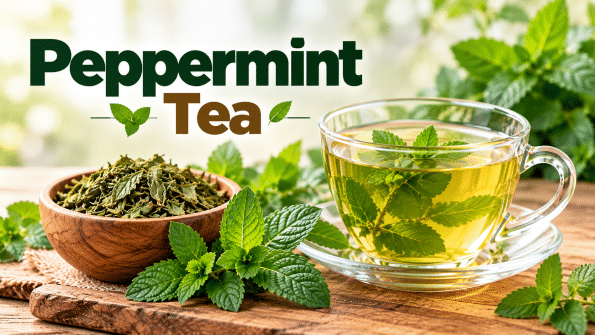
Peppermint, scientifically called Mentha × piperita, is used in food, tea, and certain medicinal preparations. Peppermint contains menthol and other compounds that have been studied for their effects on the digestive tract.
Potential benefits
- Peppermint oil capsules may provide short-term relief from some symptoms of irritable bowel syndrome.
- Certain preparations may help reduce abdominal discomfort.
- Peppermint tea offers a refreshing, caffeine-free drink.
The evidence for peppermint oil is more substantial than the evidence for peppermint leaf tea. The two preparations should not be considered interchangeable.
How to use peppermint
Fresh peppermint leaves can be steeped in hot water to make a mild herbal tea. For IBS symptoms, medicinal peppermint oil should be considered only after discussing appropriate products and safety with a healthcare professional.
Precautions: Peppermint can worsen heartburn and acid reflux in some people. Do not swallow undiluted essential oil or add concentrated essential oils to homemade drinks.
4. Ajwain (Carom Seeds)

Ajwain, known botanically as Trachyspermum ammi, is a traditional South Asian spice frequently used in household digestive preparations.
Its distinctive aroma comes partly from thymol and other volatile compounds.
Traditional uses of ajwain
- Supporting comfort after heavy meals
- Helping manage occasional gas
- Adding flavor to lentils, bread, and savory foods
- Preparing traditional herbal infusions
Ajwain is commonly recommended in traditional practices, but there is insufficient high-quality human research to establish it as an effective treatment for indigestion, gas, or other digestive disorders.
How to use ajwain
Ajwain can be used in ordinary culinary quantities in cooked dishes. Some people prepare a mild infusion by steeping a small pinch in hot water, although the best medicinal dose has not been established.
Precautions: Avoid consuming large amounts or concentrated ajwain oil without professional advice, particularly during pregnancy or when taking medication.
5. Cumin (Zeera)

Cumin, or Cuminum cyminum, is an important culinary spice used in Pakistani, Indian, Middle Eastern, and other cuisines.
Cumin provides a warm flavor and contains aromatic plant compounds that have been studied for various biological effects.
Potential role in digestive wellness
- Makes meals more flavorful.
- Can be incorporated into a balanced diet.
- Is traditionally used in digestive drinks and spice mixtures.
- May be a useful ingredient in home cooking for people who enjoy its flavor.
However, evidence is not strong enough to conclude that cumin alone treats gas, bloating, or indigestion.
How to use cumin
Lightly toast cumin seeds and add them to vegetables, soups, lentils, or rice. You can also steep a small quantity of cumin seeds in hot water to prepare a traditional drink.
Use cumin primarily as a culinary ingredient rather than relying on concentrated supplements to treat ongoing symptoms.
6. Turmeric (Haldi)

Turmeric, or Curcuma longa, is a yellow spice traditionally used in cooking and herbal practices. Its best-known active constituent is curcumin.
Turmeric has been studied for its anti-inflammatory properties and possible effects on certain digestive symptoms.
Potential benefits and limitations
- Adds flavor and color to meals.
- Supplies naturally occurring plant compounds.
- Has been investigated for possible benefits in people with IBS.
- Can form part of a varied, balanced diet.
Some preliminary studies have explored curcumin for IBS, but the evidence remains insufficient to establish it as a reliable treatment.
How to use turmeric
Add ordinary culinary amounts of turmeric to soups, vegetables, lentils, and other dishes. There is no need to take high-dose curcumin supplements solely to improve digestion.
Precautions: Turmeric supplements may cause stomach upset, reflux, diarrhea, or constipation. Certain concentrated formulations have also been associated with liver injury. Seek professional advice before using supplements, particularly if you have liver or gallbladder problems or take medication.
7. Chamomile (Babuna)

Chamomile is a flowering plant used to prepare herbal tea. It has a long history in traditional wellness practices and is often consumed as a calming beverage.
Traditional uses
- Providing a relaxing evening drink
- Supporting a soothing daily routine
- Offering a caffeine-free alternative to regular tea
- Being used traditionally for mild digestive discomfort
Although chamomile is promoted for indigestion, reliable evidence demonstrating that chamomile alone treats digestive conditions is insufficient.
How to prepare chamomile tea
Place a chamomile tea bag or an appropriate quantity of dried chamomile flowers in hot water. Steep for around five minutes, strain if needed, and allow the tea to cool before drinking.
Precautions: People allergic to ragweed, daisies, chrysanthemums, or related plants may experience allergic reactions. Chamomile may also interact with certain medicines, including warfarin and some sedatives.
8. Cardamom (Elaichi)

Cardamom, known as Elettaria cardamomum, is a fragrant spice commonly used in tea, desserts, and savory dishes.
In traditional practices, cardamom is associated with freshening the breath and supporting digestive comfort.
Ways cardamom may fit into a digestive routine
- Adds flavor to herbal teas.
- Can be used to season meals.
- Provides an aromatic alternative to heavily sweetened drinks.
- Helps make simple homemade beverages more enjoyable.
Scientific evidence that cardamom specifically treats digestive disorders is limited. Its value is primarily as a culinary spice rather than a proven digestive medicine.
How to use cardamom
Lightly crush one or two cardamom pods and add them to a cup of hot water or tea. You can also use the seeds in rice dishes, porridge, and other recipes.
9. Coriander Seeds (Dhania)
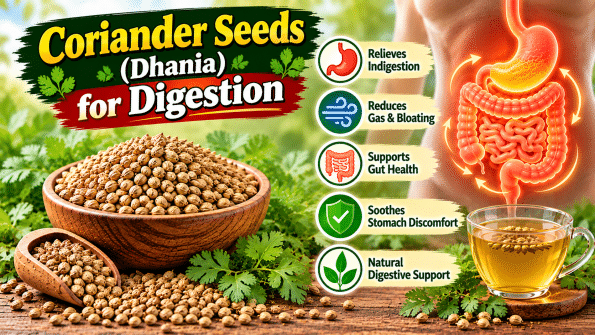
Coriander, or Coriandrum sativum, is used in many traditional cuisines. Its seeds have a mild, warm flavor and are commonly added to spice blends.
Traditional digestive uses
- Flavoring food and herbal drinks
- Being included in traditional preparations for digestive comfort
- Adding variety to home cooking
- Helping create flavorful alternatives to sugary beverages
Although coriander seeds have a long culinary history, evidence that they independently relieve indigestion or bloating is limited.
How to use coriander seeds
Lightly crush a small quantity of coriander seeds and add them to cooked food. Alternatively, steep them in hot water to make a mild infusion.
Coriander is best viewed as a food ingredient rather than a replacement for medical assessment when symptoms persist.
10. Caraway Seeds (Shahi Zeera)

Caraway, or Carum carvi, is an aromatic spice used in various traditional food preparations. It is different from ordinary cumin, even though both spices are sometimes described by similar local names.
Caraway contains volatile oils, including carvone, that contribute to its aroma.
Traditional uses
- Flavoring breads and savory dishes
- Being used in traditional preparations for gas and digestive discomfort
- Adding a distinctive flavor to herbal blends
Some combination preparations containing caraway and other ingredients have been studied for indigestion. However, evidence for caraway alone is limited, and results from combination products cannot automatically be attributed to one ingredient.
How to use caraway
Use small culinary quantities in breads, vegetables, soups, and other dishes. Avoid using concentrated essential oils internally without professional guidance.
Which Herb Is Best for Different Digestive Problems?
Different symptoms may call for different approaches. No single herb is best for every digestive complaint.
| Digestive concern | Herb to consider | Evidence and limitations |
|---|---|---|
| Certain types of nausea | Ginger | Some supportive research |
| IBS-related abdominal pain | Peppermint oil capsules | Some evidence for short-term relief |
| Occasional gas | Fennel or ajwain | Mainly traditional use |
| Digestive discomfort | Cumin or coriander | Limited clinical evidence |
| Relaxing evening beverage | Chamomile | Primarily used as a calming tea |
| General culinary wellness | Turmeric or cardamom | Useful food ingredients, not proven digestive treatments |
The National Center for Complementary and Integrative Health notes that peppermint oil may help some IBS symptoms, while evidence for many other herbal products remains limited. Read the evidence on IBS and complementary approaches.
Simple Homemade Herbal Tea for Digestive Comfort
A fennel and ginger infusion is a simple way to enjoy two commonly used culinary ingredients.
Ingredients
- 1 cup of water
- ½ teaspoon of fennel seeds
- 2–3 thin slices of fresh ginger
Preparation Method
- Pour the water into a small saucepan.
- Add the fennel seeds and ginger.
- Bring the mixture to a gentle boil.
- Simmer for approximately five minutes.
- Remove from the heat and let it cool slightly.
- Strain into a cup and drink while comfortably warm.
This recipe is intended as a traditional food-style beverage, not as a proven treatment for digestive disease. If an ingredient worsens your symptoms, stop using it.
Natural Ways to Support Healthy Digestion
Herbs are only one part of digestive wellness. Everyday habits can also make a meaningful difference.
1. Eat Slowly
Chew food thoroughly and avoid rushing through meals. Eating more slowly may help reduce swallowed air and make it easier to recognize when you are full.
2. Include Dietary Fiber
Fiber from vegetables, fruit, legumes, whole grains, nuts, and seeds can support regular bowel movements. Increase fiber gradually because a sudden increase may worsen gas and bloating.
3. Drink Enough Water
Adequate fluid intake helps support normal body functions and can be particularly important when increasing dietary fiber.
4. Walk Regularly
Gentle physical activity, such as walking after meals, can support general health and regular bowel habits.
5. Identify Personal Food Triggers
Some people experience symptoms after consuming particular foods, large meals, fatty foods, or carbonated drinks. Keeping a food and symptom diary can help identify individual patterns.
6. Manage Stress
Stress may influence digestive symptoms, particularly in people with IBS. Relaxation exercises, adequate sleep, and a consistent daily routine may help.
7. Avoid Lying Down Immediately After Meals
People who experience acid reflux may benefit from remaining upright after eating and avoiding meals for three to four hours before bedtime.
These lifestyle recommendations can support digestive health, but persistent symptoms may require specific treatment.
Are Herbal Remedies Safe for Digestion?
Natural does not automatically mean safe. The effects of an herb depend on its identity, preparation, concentration, amount, and the person’s health.
Keep these precautions in mind:
- Use culinary herbs in ordinary food quantities when appropriate.
- Do not assume that essential oils are safe to swallow.
- Consult a healthcare professional before using concentrated herbal supplements.
- Seek advice if you take prescription medication, have liver or kidney disease, or have gallbladder problems.
- Obtain professional advice before using medicinal amounts of herbs during pregnancy or breastfeeding.
- Stop using a product if you develop an allergic reaction or worsening symptoms.
- Choose clearly labeled products from reputable suppliers.
Herbs should not replace prescribed medication or delay an appropriate diagnosis.
When Should You See a Doctor for Digestive Problems?
Occasional mild digestive discomfort is common, but recurring or severe symptoms should not be ignored.
Seek medical advice if you experience:
- Persistent or frequently recurring indigestion
- Severe or worsening abdominal pain
- Unexplained weight loss
- Difficulty swallowing
- Repeated vomiting
- Blood in vomit or stool
- Black, tarry stools
Severe chest pain, particularly with breathlessness, sweating, or pain spreading to the arm or jaw, requires emergency assessment rather than treatment with herbs.
Digestive symptoms can result from several conditions, including acid reflux, ulcers, infections, food intolerances, and other gastrointestinal disorders. Identifying the cause is important for choosing the correct treatment.
Frequently Asked Questions (FAQs)
1. What is the best herb for digestion?
There is no single best herb for every digestive problem. Ginger has evidence for certain types of nausea, while peppermint oil may help some people with IBS symptoms. Other popular options, including fennel, ajwain, and cumin, are used traditionally, but strong clinical evidence is limited.
2. Which herb is best for gas and bloating?
Fennel and ajwain are traditionally used for occasional gas and bloating. However, scientific evidence supporting these herbs as treatments is limited. Persistent bloating may be related to constipation, food intolerance, IBS, or another condition.
3. Is ginger good for digestion?
Ginger may help certain types of nausea and can be used in food or tea. It does not treat every cause of indigestion, and it may worsen heartburn or cause stomach discomfort in some people.
4. Can fennel seeds help after meals?
Fennel seeds are traditionally chewed or brewed into tea after meals. Some people find this practice comforting, but reliable clinical evidence for treating indigestion or gas is limited.
5. Is peppermint tea good for the stomach?
Peppermint tea is a popular herbal beverage. Evidence for peppermint leaf tea is limited, whereas enteric-coated peppermint oil has been studied for short-term IBS symptom relief. Peppermint can worsen acid reflux in some people.
6. Can herbs cure indigestion?
Herbs cannot be relied upon to cure indigestion. Their benefits vary, and some symptoms require medication or treatment of an underlying condition. Recurring symptoms should be assessed by a qualified healthcare professional.
7. Can I combine different digestive herbs?
Combining herbs may increase the likelihood of side effects or interactions, particularly when concentrated extracts are used. Start with ordinary culinary quantities where appropriate and seek professional advice before using multi-herb supplements medicinally.
8. Is herbal tea safe to drink every day?
Many common herbal teas can be consumed in moderate food-style quantities by healthy adults, but safety depends on the ingredients, quantity, and individual circumstances. Pregnancy, allergies, chronic illnesses, and medication use may change what is appropriate.
9. What foods help support digestion?
Vegetables, fruit, whole grains, legumes, and other fiber-containing foods can support bowel regularity. Drinking sufficient water, eating slowly, and staying physically active can also help. People with specific digestive conditions may need individualized dietary advice.
10. When should I stop using a digestive herbal remedy?
Stop using a remedy if it causes heartburn, worsening pain, diarrhea, an allergic reaction, or other unwanted effects. Seek medical attention for severe symptoms or warning signs such as unexplained weight loss, difficulty swallowing, repeated vomiting, or blood in the stool.
Conclusion
The best herbs for digestion include ginger, fennel, peppermint, ajwain, cumin, turmeric, chamomile, cardamom, coriander, and caraway. These herbs offer different flavors and have a long history of use in traditional food and wellness practices.
Among them, ginger has evidence for certain types of nausea, and peppermint oil may provide short-term relief for some IBS symptoms. For many other herbs, traditional use is more established than scientific proof of effectiveness.
For better digestive health, combine sensible food choices, adequate hydration, regular physical activity, and appropriate medical care. Herbal drinks can be enjoyable additions to a balanced routine, but they should not replace professional advice when digestive symptoms persist.
About New Pansari.pk: New Pansari.pk supports interest in herbs, spices, and natural wellness by helping readers learn about traditional ingredients and their responsible use. Choose quality products, use herbs appropriately, and make informed decisions about your health.