Introduction
Hair fall is a common concern during winter. Many people notice increased hair shedding, dryness, dandruff, frizz, and brittle hair when temperatures drop. Cold weather, dry indoor air, hot showers, and changes in hair-care routines can contribute to hair damage and breakage.
In Pakistan, winter conditions can vary from dry and cold weather to seasonal smog and indoor heating. These environmental changes may affect scalp comfort and hair condition.
Although some daily hair shedding is normal, excessive hair loss can sometimes indicate nutritional deficiencies, hormonal changes, stress, or an underlying medical condition.
The good news is that following a healthy hair-care routine, eating nutritious foods, and avoiding damaging habits can help maintain stronger and healthier-looking hair.
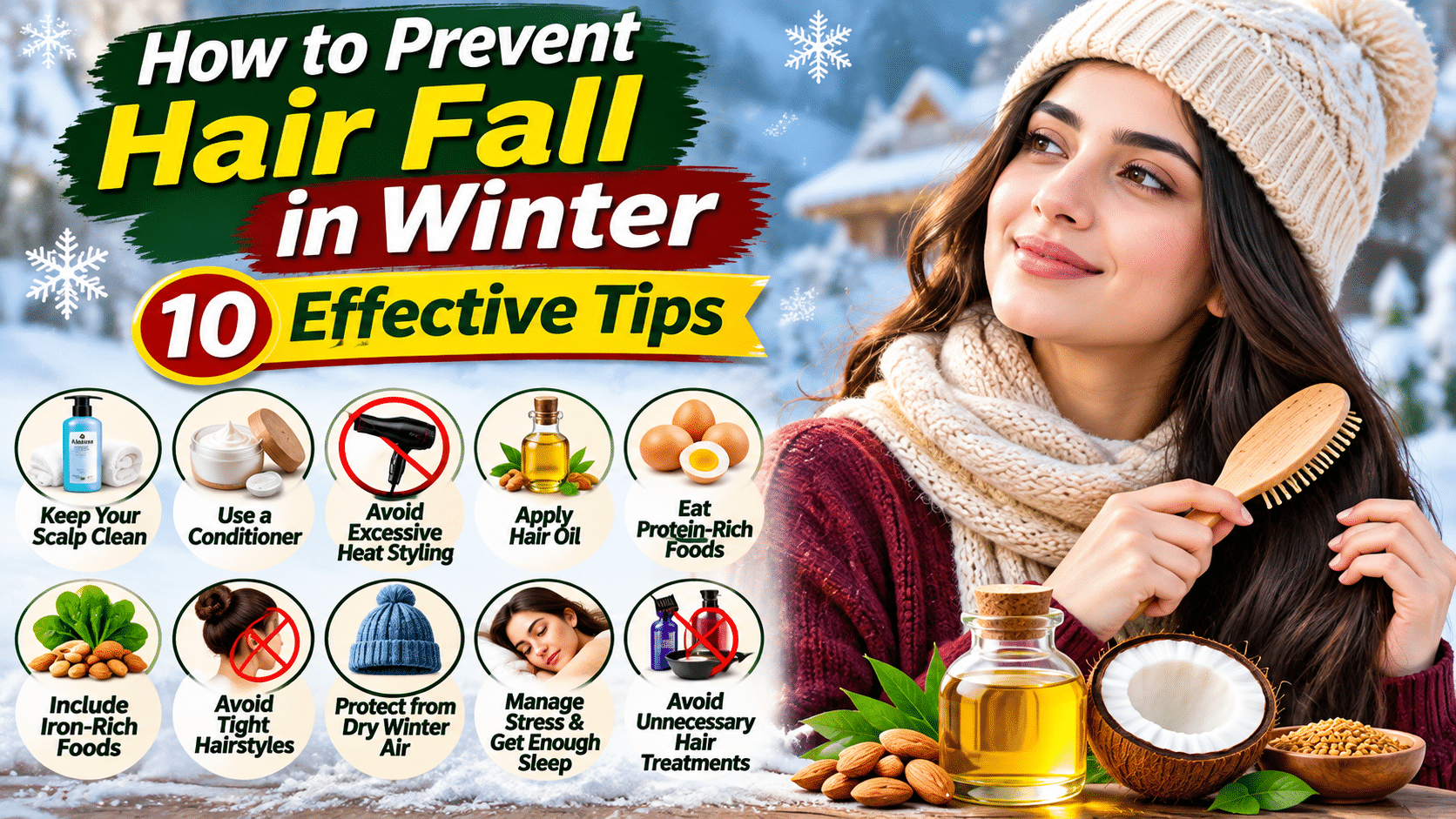
In this article, we will explore 10 effective tips to prevent hair fall in winter, along with natural hair-care methods, nutritional advice, common causes, and frequently asked questions.
Why Does Hair Fall Increase During Winter?
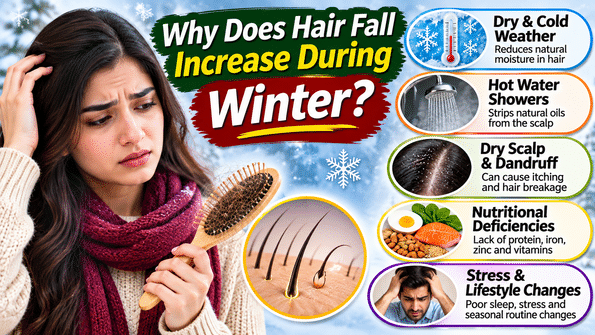
Winter can affect the condition of your hair and scalp in several ways. Cold outdoor air and dry indoor environments may contribute to dryness, while frequent use of hot water and heating tools can damage fragile hair.
Here are some common reasons people experience hair problems during winter:
1. Dry Weather
Cold and dry air can reduce moisture in the hair, making it feel rough, brittle, and more likely to break.
2. Hot Water Showers
Frequent hot showers may strip away some of the natural oils that protect the scalp and hair, contributing to dryness and irritation.
3. Dry Scalp and Dandruff
Some people experience increased scalp dryness, itching, and flaking during winter. Dandruff can also become more noticeable in certain individuals.
4. Nutritional Deficiencies
Insufficient protein, iron, zinc, and other essential nutrients may contribute to hair loss.
5. Stress and Lifestyle Changes
Physical or emotional stress, inadequate sleep, and restrictive diets can affect the normal hair growth cycle.
Important: Winter itself is not proven to be a direct cause of significant hair loss in everyone. Persistent or excessive shedding may have other underlying causes that need evaluation.
10 Effective Tips to Prevent Hair Fall in Winter
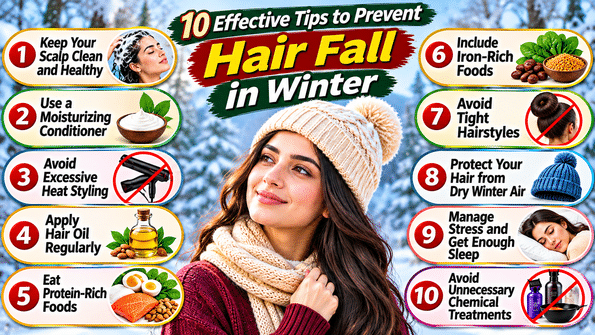
1. Keep Your Scalp Clean and Healthy
Maintaining a clean scalp is an important part of healthy hair care.
Excess oil, sweat, dead skin cells, and product buildup can affect scalp comfort. Washing your hair appropriately helps remove these substances.
Helpful Tips:
- Use a gentle shampoo suitable for your hair type.
- Massage shampoo gently into your scalp.
- Avoid aggressively rubbing your hair.
- Wash according to your scalp’s oiliness and hair-care needs.
- Rinse thoroughly with lukewarm water.
Avoid washing your hair with excessively hot water because it may increase dryness.
2. Use a Moisturizing Conditioner
Conditioner helps improve hair softness, reduce tangles, and minimize breakage.
During winter, dry hair may become more difficult to manage. Using a suitable moisturizing conditioner after shampooing can help protect the hair shaft.
Helpful Tips:
- Apply conditioner after shampooing.
- Focus on the middle lengths and ends of your hair.
- Choose products suitable for your hair type.
- Consider a leave-in conditioner if your hair is particularly dry.
- Avoid applying heavy conditioner directly to an oily scalp.
Conditioner does not stop hair follicle-related hair loss, but it can reduce breakage and improve hair manageability.
3. Avoid Excessive Heat Styling
Frequent use of hair dryers, straighteners, curling irons, and hot combs can damage the hair shaft.
Damaged hair becomes weaker and more likely to break, making it appear thinner.
Helpful Tips:
- Reduce the use of straighteners and curling irons.
- Allow your hair to air-dry when possible.
- Use the lowest effective heat setting.
- Apply a suitable heat-protectant product.
- Avoid repeatedly styling the same sections of hair.
Reducing heat exposure can help maintain healthier-looking hair during winter.
4. Apply Hair Oil Carefully
Hair oils are traditionally used in many cultures, including Pakistan, to condition and improve the appearance of hair.
Certain oils can help reduce dryness and friction, making hair easier to manage. However, oils are not proven to cure genetic hair loss or guarantee new hair growth.
Popular Hair Oils:
- Coconut Oil: May help reduce protein loss from hair.
- Argan Oil: Helps condition dry hair and improve softness.
- Almond Oil: Commonly used to soften and condition hair.
- Jojoba Oil: Used in hair-care products for conditioning.
- Olive Oil: Can help coat and soften dry hair.
How to Use Hair Oil:
- Take a small quantity of suitable hair oil.
- Apply it gently to the hair lengths and ends.
- Avoid excessive rubbing or pulling.
- Leave it on for a comfortable period.
- Wash it out with a gentle shampoo if needed.
Choose oils according to your hair type. If you have dandruff, scalp inflammation, or itching, avoid heavy oil application if it makes your symptoms worse.
5. Eat Protein-Rich Foods
Hair is primarily made of a protein called keratin. Adequate dietary protein is important for normal hair growth and maintenance.
Insufficient protein intake may contribute to increased hair shedding.
Best Protein-Rich Foods:
- Eggs
- Fish
- Chicken
- Milk
- Yogurt
- Lentils
- Chickpeas
- Beans
- Nuts and seeds
Including a variety of protein-rich foods in your daily diet can help support overall health and normal hair growth.
6. Include Iron-Rich Foods in Your Diet
Iron is an essential mineral that helps the body produce hemoglobin, which carries oxygen throughout the body.
Iron deficiency can contribute to hair loss in some individuals.
Foods Rich in Iron:
- Spinach
- Lentils
- Chickpeas
- Beans
- Pumpkin seeds
- Meat
- Fortified cereals
Combining plant-based iron sources with vitamin C-rich foods, such as oranges, guava, and lemons, can improve iron absorption.
If you suspect iron deficiency, consult a healthcare professional about appropriate testing before taking iron supplements.
7. Avoid Tight Hairstyles
Tight ponytails, buns, braids, and other hairstyles that continuously pull on the hair can damage hair follicles over time.
This condition is known as traction alopecia.
Helpful Tips:
- Avoid tightly pulling your hair backward.
- Use soft hair ties.
- Choose loose hairstyles.
- Avoid excessive tension from extensions.
- Give your hair regular breaks from tight styling.
Reducing tension can help prevent avoidable hair damage and traction-related hair loss.
8. Protect Your Hair from Dry Winter Air
Dry weather and indoor heating can make hair feel rough, static, and brittle.
Taking simple precautions can help maintain hair moisture.
Helpful Tips:
- Use a moisturizing conditioner.
- Consider a leave-in conditioning product.
- Avoid excessive hot-water washing.
- Wear a comfortable, clean winter cap when outdoors.
- Consider using a humidifier if indoor air is very dry.
Choose soft, breathable headwear and avoid anything that causes excessive friction or pulls on your hair.
9. Manage Stress and Get Enough Sleep
Stress can affect the normal hair growth cycle.
Significant physical or emotional stress may trigger a condition called telogen effluvium, which causes increased hair shedding. This shedding often becomes noticeable several months after the triggering event.
Helpful Ways to Manage Stress:
- Maintain a regular sleep schedule.
- Practice meditation or relaxation exercises.
- Walk or exercise regularly.
- Spend time outdoors.
- Maintain a balanced daily routine.
- Avoid excessive dieting.
Most adults benefit from approximately seven to nine hours of sleep each night.
10. Avoid Unnecessary Hair Treatments and Supplements
Frequent chemical treatments, bleaching, coloring, and straightening can weaken hair and increase breakage.
Similarly, taking supplements without identifying a nutritional deficiency may not improve hair growth.
Helpful Tips:
- Avoid excessive bleaching and chemical straightening.
- Allow sufficient time between chemical treatments.
- Avoid unverified hair-growth products.
- Do not take high-dose vitamins without medical advice.
- Seek professional advice if hair shedding continues.
Excessive intake of certain nutrients, including vitamin A and selenium, can actually contribute to hair loss.
Best Foods for Healthy Hair During Winter
A balanced diet is essential for maintaining healthy hair. During winter, seasonal fruits, vegetables, nuts, and protein-rich foods can provide important nutrients.
Here are some nutritious foods to include in your diet.
| Food | Important Nutrients |
|---|---|
| Eggs | Protein, biotin, vitamin B12 |
| Almonds | Vitamin E, magnesium |
| Walnuts | Omega-3 fatty acids |
| Spinach | Folate, iron |
| Carrots | Beta-carotene |
| Oranges | Vitamin C |
| Guava | Vitamin C, fiber |
| Lentils | Protein, iron, folate |
| Pumpkin Seeds | Zinc, magnesium |
| Yogurt | Protein, vitamin B12 |
These foods contribute to a balanced diet and provide nutrients needed for normal hair health.
Natural Hair Care Routine for Winter
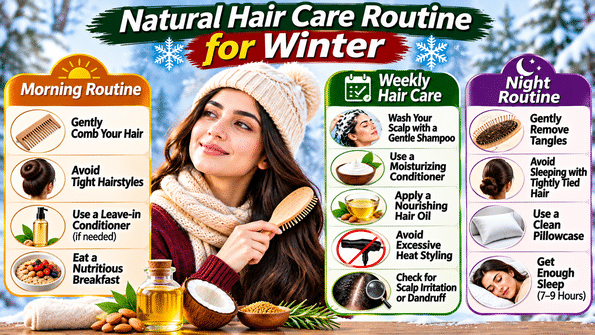
Following a simple and consistent hair-care routine can help reduce dryness and prevent avoidable hair damage.
Morning Routine
- Gently comb your hair.
- Avoid tight hairstyles.
- Use a small amount of leave-in conditioner if needed.
- Eat a nutritious breakfast.
Weekly Hair Care
- Wash your scalp according to your hair type.
- Use a moisturizing conditioner.
- Apply a suitable conditioning oil if your hair tolerates it.
- Avoid excessive heat styling.
- Check for scalp irritation or unusual flaking.
Night Routine
- Gently remove tangles.
- Avoid sleeping with tightly tied hair.
- Use a clean pillowcase.
- Maintain a regular sleep schedule.
Remember that consistency is more important than using many different hair products.
When Should You See a Doctor for Hair Fall?
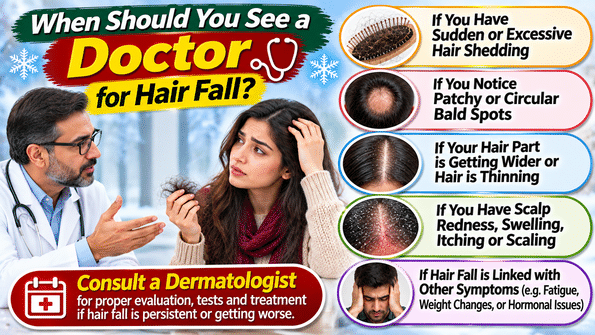
Some hair shedding is normal. According to the NHS, losing approximately 50–100 hairs daily is common.
However, excessive or persistent hair loss should not be ignored.
Consult a dermatologist if you experience:
- Sudden or excessive hair shedding.
- Circular or patchy bald spots.
- A widening hair part or noticeable thinning.
- Scalp redness, swelling, or severe itching.
- Pain or scaling on the scalp.
- Hair loss accompanied by other unexplained symptoms.
A healthcare professional may examine your scalp and recommend blood tests when appropriate. Depending on your symptoms, these may include tests for iron deficiency, thyroid problems, or other nutritional issues.
Early diagnosis can help identify the underlying cause and improve treatment options.
Frequently Asked Questions (FAQs)
1. Why does hair fall increase in winter?
Winter conditions may contribute to dry hair, scalp irritation, and hair breakage. However, excessive hair shedding may also be related to stress, nutritional deficiencies, hormonal changes, or other medical conditions.
2. How can I prevent hair fall naturally in winter?
Maintain a balanced diet, use gentle shampoo and conditioner, avoid excessive heat styling, apply suitable conditioning oils, and avoid tight hairstyles.
3. Which oil is best for hair fall in winter?
Coconut, almond, argan, and jojoba oils are commonly used to condition dry hair. They may improve softness and reduce breakage, but they are not proven treatments for all types of hair loss.
4. Does coconut oil prevent hair fall?
Coconut oil may help reduce protein loss from hair and improve conditioning. However, it cannot guarantee new hair growth or treat every cause of hair loss.
5. Which foods help reduce hair fall?
Eggs, lentils, spinach, almonds, walnuts, fish, yogurt, and other nutrient-rich foods can help provide protein, iron, zinc, and vitamins needed for normal hair health.
6. Is washing hair daily harmful in winter?
Not necessarily. Washing frequency depends on your scalp type, hair texture, oiliness, and lifestyle. People with oily scalps may need more frequent washing, while dry or curly hair may require less frequent washing.
7. Does dandruff cause hair fall?
Dandruff itself does not usually cause permanent hair loss. However, scalp inflammation, itching, and repeated scratching can contribute to hair damage and temporary shedding.
8. How much hair fall is normal daily?
Losing approximately 50–100 hairs per day is generally considered normal. Persistent shedding beyond your usual pattern should be evaluated.
9. Can vitamin deficiencies cause hair fall?
Yes. Deficiencies in nutrients such as iron and inadequate protein intake can contribute to hair loss. Testing can help identify whether a deficiency is present.
10. How long does it take to improve hair health?
Hair improvement takes time. Reducing breakage may improve the appearance of hair within weeks, while changes in hair shedding and regrowth can take several months, depending on the underlying cause.
Conclusion
Winter hair fall and dryness can be frustrating, but following healthy hair-care habits can help protect your hair from unnecessary damage.
Using gentle shampoo, applying moisturizing conditioner, avoiding excessive heat, eating protein-rich foods, and maintaining a balanced lifestyle are important steps toward healthier hair.
Natural oils such as coconut, almond, and argan oil may also help condition dry hair and reduce breakage.
However, remember that excessive hair loss is not always caused by winter weather. If you experience persistent shedding, thinning, or patchy hair loss, consult a dermatologist to identify the underlying cause.
At New Pansari.pk – Herbal & Natural Wellness Store, we believe that informed hair care, balanced nutrition, and healthy daily habits are important parts of natural wellness.
Disclaimer: This article is for educational purposes only. Natural oils and home remedies are not substitutes for medical treatment. Consult a qualified healthcare professional for persistent or unexplained hair loss.