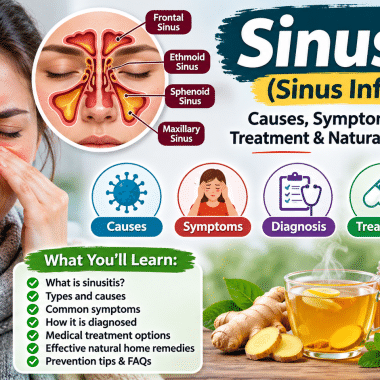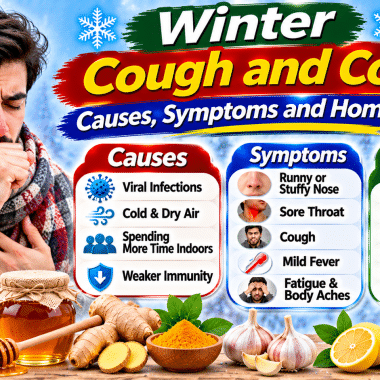
Weak immunity, also known as a weakened immune system, occurs when the body’s natural defence system does not work effectively to protect against infections and diseases. The immune system plays an important role in fighting harmful bacteria, viruses, fungi, and other pathogens.
People with weak immunity may experience frequent infections, slow wound healing, tiredness, and recurring illnesses. Several factors, including poor nutrition, lack of sleep, chronic stress, certain medical conditions, and some medications, can affect immune function.
In this article, we will explore the common causes and symptoms of weak immunity, available treatment options, and 10 natural ways to support a healthy immune system.
What Is Weak Immunity?
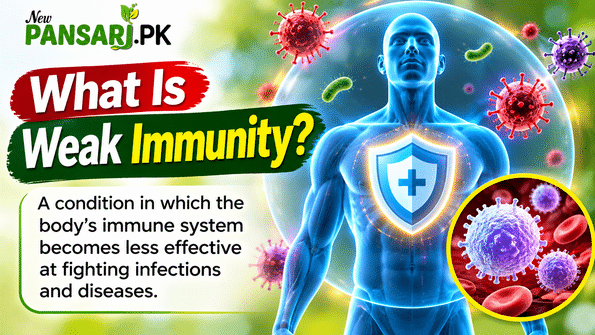
Weak immunity is a condition in which the body’s immune system becomes less effective at protecting against harmful microorganisms.
The immune system consists of different cells, tissues, organs, and proteins that work together to identify and destroy harmful substances.
When the immune system is weakened, the body may become more vulnerable to infections such as:
- Common cold and flu
- Respiratory infections
- Skin infections
- Fungal infections
- Urinary tract infections
- Recurrent throat infections
However, getting occasional colds does not necessarily mean someone has weak immunity. Frequent, severe, unusual, or persistent infections may require medical evaluation.
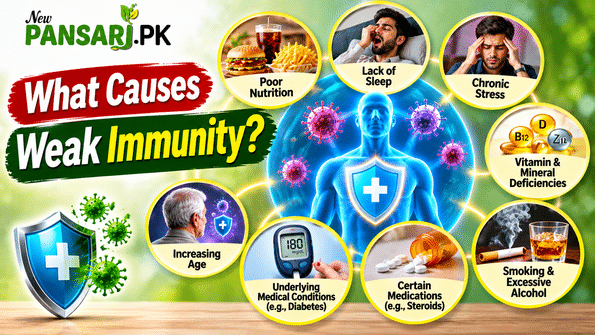
What Causes Weak Immunity?
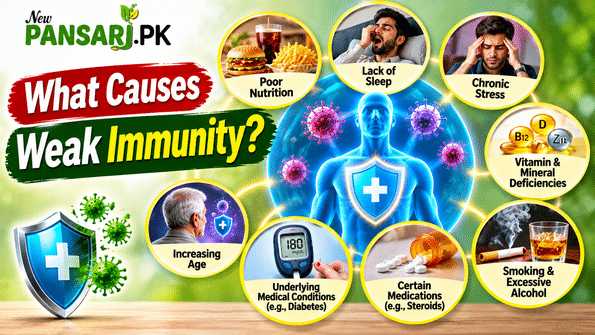
Several lifestyle factors and medical conditions can affect the immune system. Some of the most common causes include:
1. Poor Nutrition
A diet lacking essential vitamins, minerals, proteins, and other nutrients can affect normal immune function.
Nutrients such as vitamin C, vitamin D, zinc, iron, and vitamin B12 play important roles in maintaining a healthy immune system.
2. Lack of Sleep
Sleep is essential for the body’s repair and recovery processes. Regularly getting insufficient sleep may negatively affect immune responses.
Adults generally need 7–9 hours of quality sleep every night.
3. Chronic Stress
Long-term stress can affect immune regulation and make it harder for the body to maintain normal immune responses.
Stress may also disturb sleep and influence eating habits.
4. Vitamin and Mineral Deficiencies
Deficiencies in certain nutrients can interfere with immune function.
Common nutritional deficiencies include:
- Vitamin D deficiency
- Vitamin C deficiency
- Zinc deficiency
- Iron deficiency
- Vitamin B12 deficiency
5. Certain Medical Conditions
Some health conditions can weaken the immune system, including:
- Diabetes
- HIV infection
- Certain cancers
- Kidney disease
- Autoimmune disorders
6. Smoking and Excessive Alcohol Consumption
Smoking can damage the respiratory system and affect immune defence. Excessive alcohol consumption may also interfere with the body’s ability to fight infections.
7. Certain Medications
Some medications, including chemotherapy drugs, corticosteroids, and immunosuppressants, can reduce immune activity.
What Are the Common Symptoms of Weak Immunity?
The symptoms of weakened immunity can vary depending on the underlying cause.
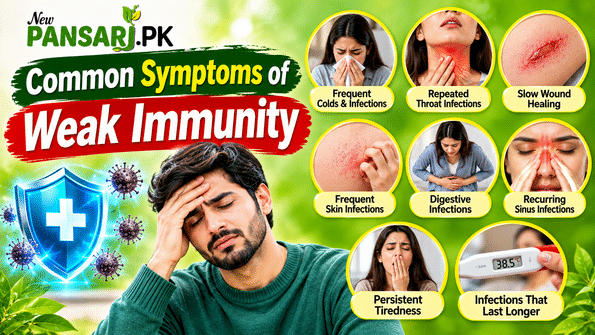
Common warning signs may include:
- Frequent colds and infections
- Repeated throat infections
- Slow wound healing
- Frequent skin infections
- Recurrent fungal infections
- Persistent digestive infections
- Unusual or severe infections
- Recurring sinus infections
- Persistent tiredness
- Infections that take longer than usual to clear
Important: Fatigue alone is not a reliable sign of weak immunity. It can also result from anaemia, thyroid problems, sleep disorders, or other medical conditions.
10 Natural Ways to Boost Your Immune System
A healthy lifestyle and balanced diet can help support normal immune function. Here are 10 natural ways to maintain a healthy immune system.
1. Eat Vitamin C-Rich Foods
Vitamin C is an important nutrient that supports the normal functioning of the immune system.
It also acts as an antioxidant and helps protect cells from oxidative damage.
Best natural sources:
- Oranges
- Lemons
- Guava
- Amla (Indian Gooseberry)
- Strawberries
- Kiwi
- Bell peppers
Including these foods in your daily diet can help maintain adequate vitamin C intake.
2. Include Garlic in Your Diet
Garlic contains natural sulfur compounds, including allicin, which have been studied for their antimicrobial and antioxidant properties.
You can include fresh garlic in soups, vegetables, and everyday meals.
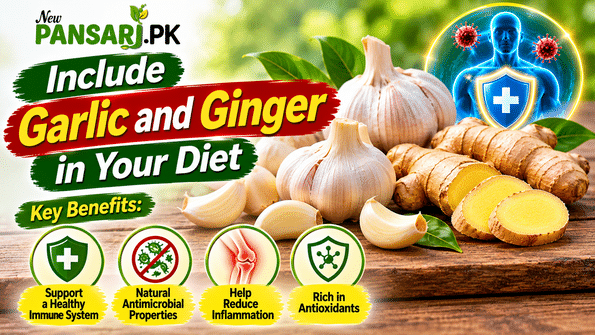
However, garlic should not be considered a replacement for medical treatment or a proven cure for weak immunity.
3. Drink Ginger Tea
Ginger contains bioactive compounds called gingerols, which have antioxidant and anti-inflammatory properties.
Ginger tea can be a comforting addition to a healthy lifestyle.
How to prepare ginger tea:
- Take one cup of water.
- Add a few slices of fresh ginger.
- Boil for 5–7 minutes.
- Strain into a cup.
- Add lemon or honey according to taste.
4. Eat Zinc-Rich Foods

Zinc is an essential mineral that supports immune cell development and function.
A deficiency in zinc can negatively affect the body’s ability to fight infections.
Natural sources of zinc include:
- Pumpkin seeds
- Chickpeas
- Lentils
- Nuts
- Beans
- Whole grains
- Meat and seafood
5. Include Probiotic Foods
The gut contains trillions of microorganisms that contribute to digestive health and interact with the immune system.
Probiotic foods can help support a healthy balance of gut microorganisms.
Examples include:

- Plain yogurt
- Kefir
- Fermented vegetables
- Other traditionally fermented foods
Choose foods with live cultures and avoid excessive added sugar.
6. Get Enough Vitamin D
Vitamin D plays an important role in regulating immune responses.
Low vitamin D levels may be associated with an increased risk of certain respiratory infections.
Natural sources include:
- Sensible sunlight exposure
- Egg yolks
- Fatty fish
- Vitamin D-fortified foods
People at risk of deficiency may benefit from testing and medical advice about supplementation.
7. Eat Green Leafy Vegetables
Green vegetables provide essential vitamins, minerals, fibre, and antioxidants.
They help support overall health and provide nutrients required for normal immune function.
Include vegetables such as:

- Spinach
- Broccoli
- Kale
- Coriander
- Fenugreek leaves
- Lettuce
8. Exercise Regularly
Regular physical activity supports circulation, cardiovascular health, and overall immune function.
You can start with:
- 30 minutes of brisk walking
- Cycling
- Swimming
- Light yoga
- Stretching exercises
Avoid excessive exercise without adequate recovery, especially when feeling unwell.
9. Drink Enough Water

Water supports normal body functions, including circulation and the maintenance of healthy mucous membranes.
Drink enough water throughout the day according to your activity level, climate, and individual needs.
10. Get Quality Sleep
Quality sleep is essential for immune regulation and recovery.
Poor sleep over long periods may affect the body’s ability to respond to infections.
Tips for better sleep:
- Maintain a regular sleeping schedule.
- Avoid caffeine late in the day.
- Reduce screen time before bedtime.
- Keep your bedroom comfortable and quiet.
- Aim for 7–9 hours of sleep if you are an adult.
Best Foods for a Healthy Immune System
A balanced diet is one of the most effective ways to provide your body with the nutrients it needs.
| Food | Important nutrients |
|---|---|
| Amla | Vitamin C |
| Oranges | Vitamin C |
| Garlic | Sulfur compounds |
| Ginger | Gingerols |
| Almonds | Vitamin E |
| Pumpkin seeds | Zinc |
| Spinach | Folate and vitamins |
| Yogurt | Protein and live cultures |
| Eggs | Protein and vitamin B12 |
| Fish | Protein and vitamin D |
Try to include a variety of these foods rather than depending on one particular food for immunity.
How Is Weak Immunity Diagnosed?
There is no single test that can diagnose every type of immune system problem.
A healthcare professional may evaluate your medical history, infection frequency, symptoms, medications, and family history.
Depending on the situation, investigations may include:
- Complete Blood Count (CBC)
- White Blood Cell Count
- Blood glucose test
- Vitamin D test
- Vitamin B12 test
- Immunoglobulin levels
- HIV testing when clinically appropriate
Additional tests may be recommended if an immune deficiency is suspected.
Treatment Options for Weak Immunity
Treatment depends on the underlying cause of weakened immunity.
Some possible approaches include:
1. Correcting Nutritional Deficiencies: Treating confirmed deficiencies in vitamin D, vitamin B12, iron, zinc, or other nutrients.
2. Managing Underlying Conditions: Properly managing diabetes and other medical conditions can help reduce infection risks.
3. Treating Infections: Appropriate treatment may include antibiotics, antifungals, or antiviral medicines, depending on the infection.
4. Reviewing Medications: A doctor may review medicines that suppress immune function and adjust treatment when appropriate.
5. Preventive Vaccination: Recommended vaccinations can help protect people against preventable infections. The appropriate schedule depends on individual circumstances.
Never stop prescribed medication without consulting your healthcare professional.
When Should You See a Doctor?
You should seek medical advice if you experience:
- Repeated infections within a short period.
- Severe or unusual infections.
- Infections that do not improve with appropriate treatment.
- Repeated pneumonia or other serious respiratory infections.
- Persistent fever or unexplained weight loss.
- Recurrent infections requiring hospital treatment.
Seek urgent medical attention for difficulty breathing, confusion, severe dehydration, or other signs of a serious infection.
Frequently Asked Questions (FAQs)
1. What are the main signs of weak immunity?
Frequent infections, recurring respiratory illnesses, slow wound healing, and unusual or severe infections may indicate an immune system problem.
2. Which fruit is best for boosting immunity?
Guava, amla, oranges, kiwi, and strawberries are excellent sources of vitamin C. No single fruit can prevent all infections.
3. Does vitamin C help improve immunity?
Yes. Vitamin C supports normal immune function and protects cells against oxidative damage. However, taking excessive amounts does not guarantee stronger immunity.
4. Can garlic and ginger improve immunity?
Garlic and ginger contain beneficial bioactive compounds. They can be included in a balanced diet, but there is insufficient evidence that they independently cure weak immunity.
5. Does lack of sleep weaken the immune system?
Yes. Regularly getting insufficient sleep can negatively affect immune function and the body’s response to infections.
6. Can stress affect the immune system?
Long-term stress may affect immune regulation, sleep, and general health. Managing stress is an important part of maintaining overall wellness.
7. How long does it take to improve immunity?
It depends on the underlying cause. Improving sleep, nutrition, physical activity, and correcting nutritional deficiencies may support normal immune function over time.
8. Which vitamins are important for immunity?
Vitamin C, vitamin D, vitamin A, vitamin E, vitamin B6, vitamin B12, and minerals such as zinc and iron contribute to normal immune function.
Conclusion
A healthy immune system is essential for protecting the body against infections and maintaining overall wellness. Poor nutrition, inadequate sleep, chronic stress, certain medical conditions, and nutritional deficiencies can affect normal immune function.
Eating a balanced diet, including vitamin-rich foods, exercising regularly, staying hydrated, and getting sufficient sleep are practical ways to support your immune system.
Natural foods and herbal ingredients can complement a healthy lifestyle, but they should not replace proper medical diagnosis or treatment when infections are frequent or severe.