Introduction
Tomatoes are among the most popular and nutritious foods worldwide. They are widely used in salads, soups, sauces, curries, sandwiches, and countless traditional recipes. Tomatoes are available in different forms, including fresh tomatoes, sun-dried tomatoes, and commercially dried tomatoes.
Both fresh and dried tomatoes provide important nutrients, antioxidants, vitamins, and minerals. However, the drying process changes their nutritional composition, making dried tomatoes more concentrated in certain nutrients while reducing their water content.
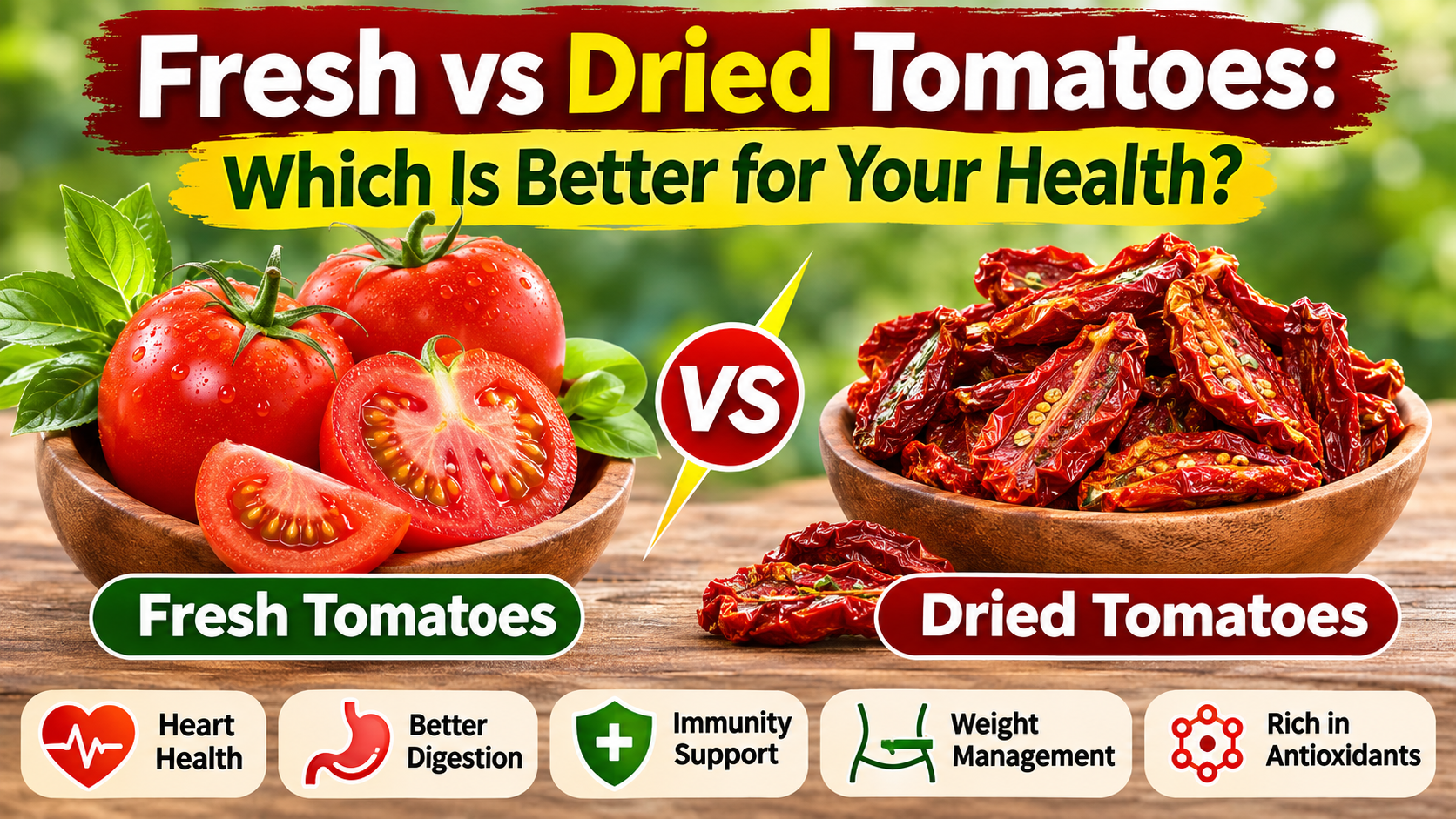
This raises an interesting question: Fresh vs Dried Tomatoes: Which Is Better for Your Health?
The answer depends on your nutritional needs, dietary preferences, and how you use tomatoes in your daily meals. Let’s explore their nutritional differences, health benefits, and potential disadvantages.
1. What Are Fresh Tomatoes?
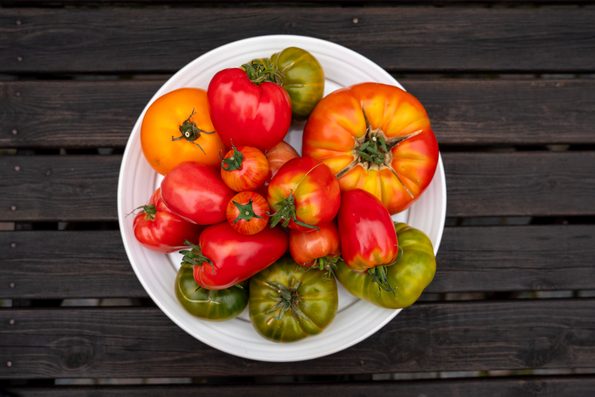
Fresh tomatoes are juicy, edible fruits commonly used as vegetables in cooking. They belong to the nightshade family and are scientifically known as Solanum lycopersicum.
They contain approximately 94–95% water, making them naturally hydrating and relatively low in calories.
Fresh tomatoes are rich in several essential nutrients, including:
- Vitamin C
- Vitamin A precursors (beta-carotene)
- Vitamin K
- Potassium
- Folate
- Lycopene
- Dietary antioxidants
- Small amounts of dietary fibre
Fresh tomatoes are commonly eaten raw in salads or cooked in curries, soups, sauces, and vegetable dishes.
2. What Are Dried Tomatoes?
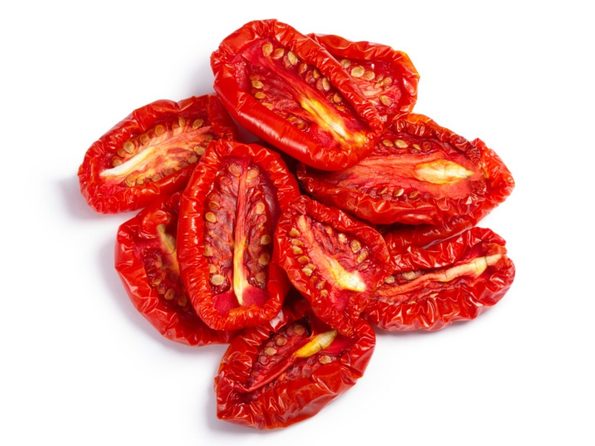
Dried tomatoes are fresh tomatoes from which most of the water has been removed through sun-drying, air-drying, or dehydrating.
Removing water makes tomatoes smaller, lighter, and more concentrated in nutrients per gram.
Dried tomatoes have a rich, slightly sweet, tangy flavour and chewy texture. They are commonly used in pasta, pizzas, sandwiches, salads, sauces, and Mediterranean dishes.
They contain nutrients such as:
- Lycopene
- Potassium
- Dietary fibre
- Iron
- Vitamin A precursors
- Certain B vitamins
- Natural plant antioxidants
Some commercially available dried tomatoes are packed in oil or contain added salt. Their nutritional value can therefore vary considerably depending on preparation.
3. Fresh vs Dried Tomatoes: Nutritional Comparison
The biggest difference between fresh and dried tomatoes is their water content. Fresh tomatoes contain significantly more water, while dried tomatoes have concentrated nutrients because moisture has been removed.
Here is an approximate comparison per 100 grams:
| Nutrient | Fresh Tomatoes | Sun-Dried Tomatoes |
|---|---|---|
| Calories | 18 kcal | 258 kcal |
| Protein | 0.9 g | 14 g |
| Carbohydrates | 3.9 g | 55.8 g |
| Dietary fibre | 1.2 g | 12.3 g |
| Fat | 0.2 g | 3 g |
| Water | 94–95 g | 15–20 g |
Values are approximate and vary with tomato variety and drying method. Oil-packed products can have substantially different nutritional values.
Important: Dried tomatoes are more calorie-dense because they contain much less water. This does not mean they are unhealthy, but portion sizes matter.
4. Health Benefits of Fresh Tomatoes

Fresh tomatoes offer several health benefits because they provide water, vitamins, minerals, and beneficial plant compounds.
4.1 Support Heart Health
Fresh tomatoes contain potassium, lycopene, and other antioxidants that contribute to a healthy diet.
Potassium helps maintain normal blood pressure, while lycopene has been studied for its potential role in cardiovascular health.
4.2 Support Skin Health
Vitamin C in fresh tomatoes helps the body produce collagen, a protein that supports healthy skin.
Their antioxidant compounds also help protect cells against oxidative stress.
4.3 Help Maintain Hydration
Fresh tomatoes contain a high percentage of water, making them a refreshing addition to meals.
They can contribute to daily fluid intake, especially during hot weather.
4.4 Support Digestive Health
Fresh tomatoes provide dietary fibre, which supports normal bowel movements and digestive health.
Eating fibre-rich foods regularly can help maintain a healthy digestive system.
4.5 Provide Antioxidants
Tomatoes contain lycopene, beta-carotene, vitamin C, and other antioxidant compounds.
These substances help protect cells from oxidative damage.
5. Health Benefits of Dried Tomatoes
Dried tomatoes provide concentrated nutrients and can be a valuable addition to a balanced diet.
5.1 Rich in Lycopene
Lycopene is a naturally occurring red pigment found in tomatoes.
It is a powerful antioxidant that has been studied for its potential role in supporting cardiovascular health and protecting cells against oxidative stress.
Processing and drying can change lycopene availability, depending on temperature and preparation.
5.2 Provide Dietary Fibre
Dried tomatoes contain concentrated dietary fibre.
Fibre supports digestive health, helps maintain regular bowel movements, and contributes to feelings of fullness.
5.3 Contain Important Minerals
Dried tomatoes can provide potassium, iron, and other minerals.
These nutrients contribute to normal muscle function, oxygen transport, and various metabolic processes.
5.4 Convenient and Easy to Store
Dried tomatoes have a longer shelf life than fresh tomatoes when properly dried and stored.
They are convenient for people who want to keep tomatoes available without purchasing fresh produce frequently.
5.5 Add Nutritional Value to Meals
A small amount of dried tomatoes can add flavour and concentrated nutrients to salads, soups, pasta, and homemade sauces.
6. Which Tomatoes Contain More Lycopene?
Lycopene is one of the most important antioxidants found in tomatoes.
Both fresh and dried tomatoes contain lycopene, but dried tomatoes generally provide more lycopene per 100 grams because their water content has been reduced.
However, the actual amount depends on:
- Tomato variety
- Ripeness
- Drying temperature
- Exposure to sunlight
- Storage conditions
- Processing method
Interestingly, cooking tomatoes with a little healthy oil can improve the body’s absorption of lycopene.
7. Fresh vs Dried Tomatoes for Weight Management
If your goal is weight management, fresh tomatoes are generally the better everyday option.
Fresh tomatoes are low in calories and contain plenty of water, making them useful for meals where you want volume without adding many calories.
Dried tomatoes are more concentrated in calories and carbohydrates, so eating large quantities can increase calorie intake.
Best choice: Fresh tomatoes for larger portions and dried tomatoes in smaller quantities for flavour.
8. Which Is Better for Digestion?
Both fresh and dried tomatoes contain dietary fibre, which supports digestive health.
Fresh tomatoes provide water along with fibre, while dried tomatoes offer more concentrated fibre per gram.
However, some people experience acid reflux or stomach discomfort after eating tomatoes because of their natural acidity.
People with sensitive digestion may prefer smaller portions and should observe how their bodies respond.
9. Disadvantages of Fresh and Dried Tomatoes
Although both types are nutritious, there are a few things to consider.
Disadvantages of Fresh Tomatoes
- They spoil relatively quickly.
- They require proper washing and storage.
- Some people experience acidity or reflux after eating them.
- Their nutritional quality can vary depending on ripeness and storage.
Disadvantages of Dried Tomatoes
- They contain more calories per 100 grams.
- Some commercial products contain high amounts of added salt.
- Oil-packed varieties may contain additional calories.
- Improperly dried or stored tomatoes can develop mould.
- Some heat-sensitive nutrients, particularly vitamin C, may decrease during drying.
10. How to Use Fresh and Dried Tomatoes in Your Daily Diet
Both types can be included in a balanced diet in different ways.
Fresh Tomatoes:
- Add them to breakfast salads.
- Use them in homemade vegetable curries.
- Prepare fresh tomato juice.
- Add them to sandwiches and wraps.
- Use them in homemade soups.
Dried Tomatoes:
- Add small amounts to pasta.
- Mix them into homemade sauces.
- Use them as pizza toppings.
- Add them to salads.
- Include them in vegetable dishes.
11. How to Make Sun-Dried Tomatoes at Home
You can prepare dried tomatoes at home using fresh, ripe tomatoes.
Ingredients:
- 1 kg fresh tomatoes
- A small amount of salt (optional)
- Herbs such as oregano or basil (optional)
Preparation Method:
- Wash the tomatoes thoroughly.
- Cut them into halves or thin slices.
- Remove excess moisture with a clean cloth.
- Arrange them in a single layer on a clean food-safe drying tray.
- Dry them using a food dehydrator or a suitable oven, following its temperature and food-safety instructions.
- Continue drying until they are leathery and sufficiently dry throughout.
- Allow them to cool before storing.
For safer storage, use properly dried tomatoes in clean, airtight containers and keep them in a cool, dry place. Refrigerate or freeze if there is any uncertainty about their moisture content.
Avoid storing homemade dried tomatoes in oil at room temperature because improperly prepared products can pose a botulism risk.
12. Fresh vs Dried Tomatoes: Which One Should You Choose?
The best option depends on what you want from your diet.
| Your Goal | Better Choice |
|---|---|
| Low-calorie eating | Fresh tomatoes |
| Hydration | Fresh tomatoes |
| Concentrated fibre | Dried tomatoes |
| Convenient storage | Dried tomatoes |
| Lower calorie intake per serving | Fresh tomatoes |
| Concentrated nutrients per 100g | Dried tomatoes |
| Everyday salads | Fresh tomatoes |
| Pasta and sauces | Dried tomatoes |
Frequently Asked Questions (FAQs)
1. Are dried tomatoes healthier than fresh tomatoes?
Not necessarily. Both are nutritious. Fresh tomatoes provide more water and fewer calories, while dried tomatoes provide concentrated nutrients and fibre.
2. Do dried tomatoes contain more antioxidants?
Dried tomatoes can contain more concentrated lycopene per 100 grams. However, the amount depends on the drying and storage process.
3. Can I eat dried tomatoes every day?
Yes, moderate portions of properly prepared dried tomatoes can be included in a balanced diet. Choose varieties without excessive added salt.
4. Are fresh tomatoes good for weight loss?
Fresh tomatoes are low in calories and contain plenty of water. They can be a useful part of a calorie-controlled eating plan.
5. Do dried tomatoes contain vitamin C?
Yes, but drying and exposure to heat can significantly reduce their vitamin C content compared with fresh tomatoes.
6. Which tomatoes are better for heart health?
Both can contribute to a heart-healthy diet. Fresh tomatoes provide potassium and water, while dried tomatoes offer concentrated lycopene. Choose low-sodium dried varieties.
7. Can people with diabetes eat dried tomatoes?
Yes, in moderate portions. However, dried tomatoes have more concentrated carbohydrates per 100 grams, so portion size matters.
8. Are sun-dried tomatoes and dehydrated tomatoes the same?
They are similar, but the drying method differs. Sun-dried tomatoes are dried using sunlight, while dehydrated tomatoes are usually dried using controlled equipment.
Conclusion: Fresh vs Dried Tomatoes – Which Is Better?
Fresh and dried tomatoes are both nutritious foods with different advantages.
Fresh tomatoes are an excellent choice for everyday eating because they are low in calories, rich in water, and provide vitamin C, potassium, and antioxidants.
Dried tomatoes are useful when you want concentrated nutrients, additional fibre, a longer shelf life, and a rich tomato flavour.
Our recommendation: Include fresh tomatoes in your daily meals and use dried tomatoes occasionally to add flavour and nutritional variety. You do not need to choose only one because both can be part of a healthy and balanced diet.