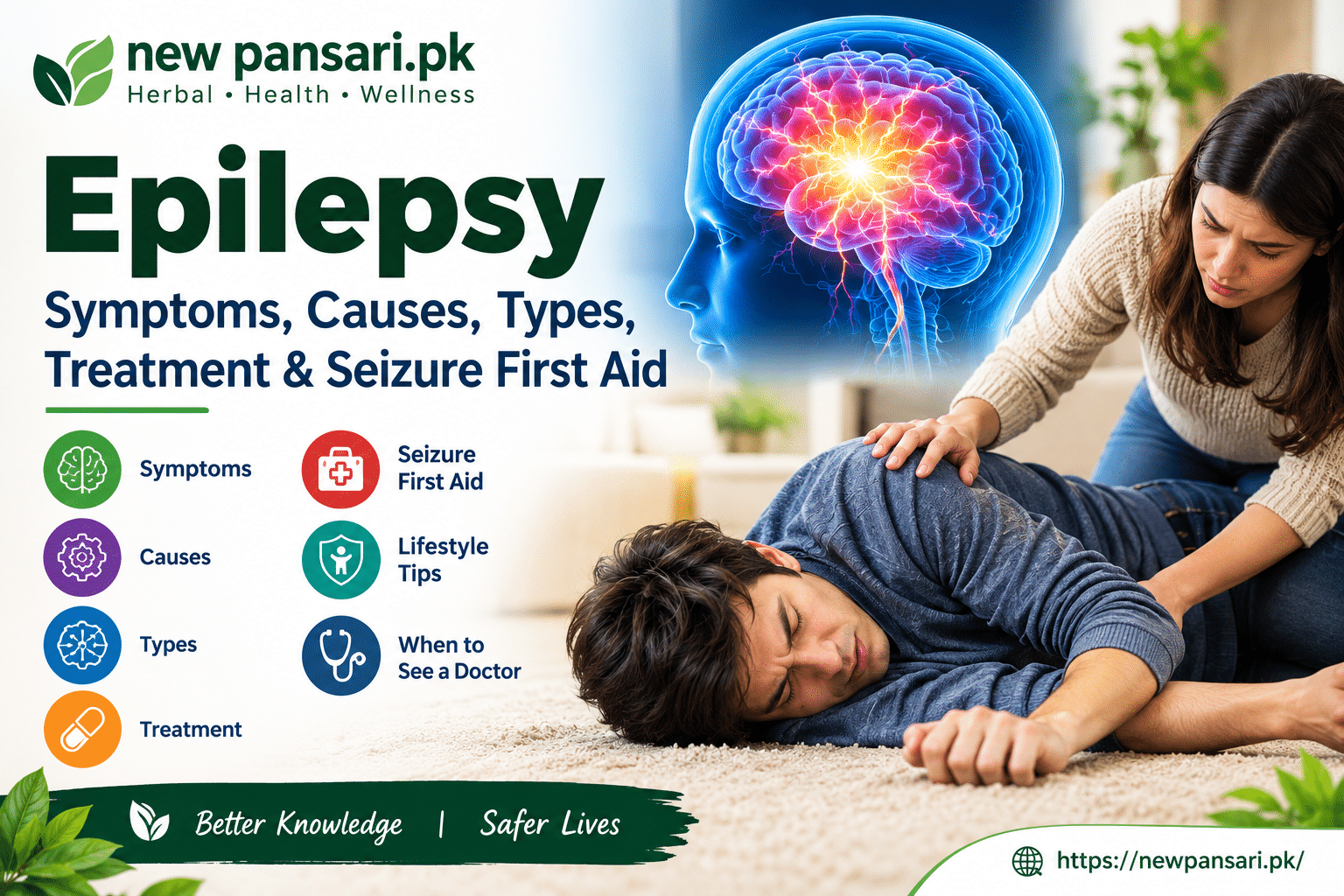
Epilepsy is a neurological disorder in which a person has a tendency to experience recurrent seizures that are not caused by an immediate, reversible condition. A seizure occurs when there is a sudden disruption of the brain’s normal electrical activity. Seizures can look very different from one person to another, ranging from brief periods of staring or confusion to uncontrolled movements or loss of consciousness.
Epilepsy can develop at any age. With appropriate diagnosis and treatment, many people with epilepsy can control their seizures and maintain active, fulfilling lives.
This guide explains the types, symptoms, causes, diagnosis, treatment, seizure first aid, lifestyle considerations, and safety measures related to epilepsy.
What Is Epilepsy?
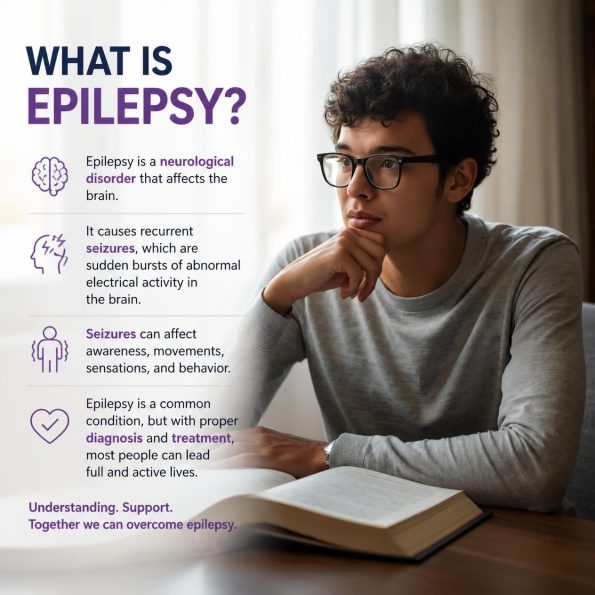
Epilepsy is a chronic neurological condition characterized by a tendency to have recurrent seizures. A single seizure does not necessarily mean that a person has epilepsy because seizures can sometimes occur because of temporary factors such as low blood sugar, certain medications, fever, alcohol withdrawal, or other medical conditions.
During a seizure, abnormal electrical activity affects brain function. The symptoms depend on the area of the brain involved and how widely the abnormal activity spreads.
Some seizures are very subtle. A person may briefly stop responding, stare into space, experience unusual sensations, or behave unusually. Other seizures can cause stiffening, rhythmic jerking, falls, or temporary loss of consciousness.
Types of Epilepsy and Seizures
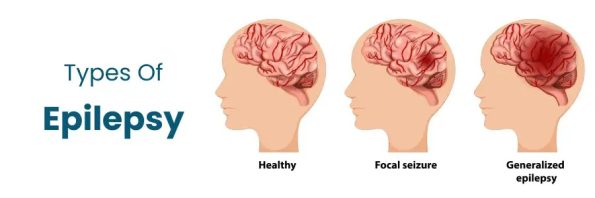
Epilepsy can be classified in different ways depending on where seizures begin and their clinical features.
1. Focal Seizures
Focal seizures begin in a specific area of the brain. A person may remain aware during some focal seizures, while awareness may become impaired during others.
Possible symptoms include:
- Unusual sensations or smells
- Tingling or numbness
- Repetitive movements
- Sudden emotional changes
- Confusion
- Staring
- Temporary difficulty speaking
2. Generalized Seizures
Generalized seizures involve both sides of the brain from the beginning of the seizure. Some types can cause loss of consciousness and significant body movements.
Examples include:
- Tonic-clonic seizures
- Absence seizures
- Myoclonic seizures
- Atonic seizures
- Tonic seizures
- Clonic seizures
3. Unknown-Onset Seizures
Sometimes doctors cannot initially determine where a seizure started. Additional testing and observation may help clarify the seizure type later.
Symptoms of Epilepsy
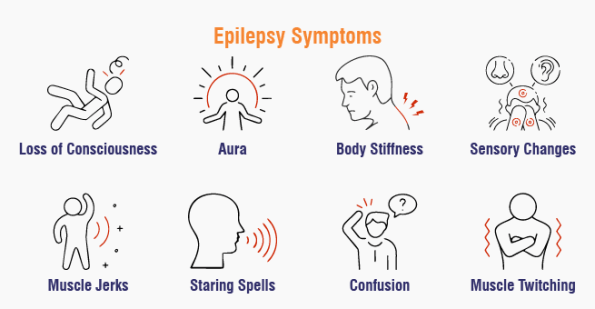
Common seizure-related symptoms include:
- Temporary loss of awareness
- Staring blankly
- Confusion
- Uncontrolled shaking or jerking
- Muscle stiffness
- Sudden falls
- Repetitive movements
- Temporary inability to speak
- Unusual smells, tastes, sounds, or sensations
- Sudden fear or unusual emotions
- Temporary memory problems
- Loss of bladder or bowel control in some seizures
- Tiredness or confusion after a seizure
Some people experience an aura before certain seizures. An aura can involve an unusual smell, taste, sensation, visual experience, or feeling. For some people, an aura is actually the beginning of a focal seizure.
What Causes Epilepsy?
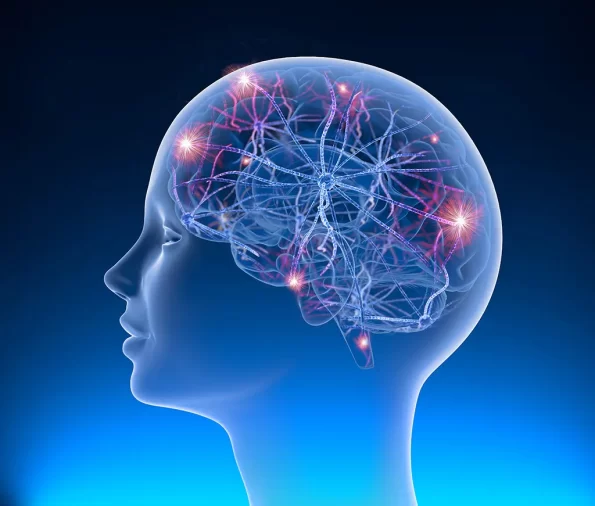
There are many possible causes of seizure disorder. In some people, doctors cannot identify a specific cause.
Potential causes and risk factors include:
Genetic Factors
Certain forms of epilepsy have a genetic component. Having a family history of epilepsy can sometimes increase a person’s risk.
Brain Injury
A previous traumatic brain injury can sometimes lead to seizures.
Stroke
Stroke can damage brain tissue and increase the risk of seizure disorder, particularly in older adults.
Brain Tumors and Structural Abnormalities
Certain tumors, malformations, or other structural changes in the brain may cause seizures.
Infections
Some infections affecting the brain can increase the risk of seizures and epilepsy.
Developmental Conditions
Some neurological or developmental conditions are associated with an increased risk of epilepsy.
Problems During Brain Development
Changes in how the brain develops before birth can sometimes contribute to epilepsy.
It is important to remember that epilepsy is not always caused by a single identifiable problem.
Common Seizure Triggers
Triggers do not cause epilepsy itself, but certain factors can make seizures more likely in someone who already has a tendency toward seizures.
Potential triggers include:
- Sleep deprivation
- Missing prescribed anti-seizure medication
- Excessive alcohol consumption
- Stress
- Illness or fever
- Certain medications
- Flashing or rapidly changing lights in susceptible people
- Hormonal changes in some individuals
- Dehydration or other physiological stresses
Keeping a seizure diary can help identify individual patterns and possible triggers.
How Is Epilepsy Diagnosed?
Diagnosing epilepsy usually involves a detailed medical history and neurological assessment. Doctors may ask what happened before, during, and after a suspected seizure.
Information from witnesses can be particularly useful because the person may not remember the event.
Tests may include:
Electroencephalogram (EEG)
An EEG records electrical activity in the brain. It can help doctors identify abnormal electrical patterns associated with seizures.
Brain Imaging
MRI or other imaging studies may be used to look for structural abnormalities that could contribute to seizures.
Blood Tests
Blood tests may help identify metabolic problems, infections, medication-related issues, or other conditions that could contribute to seizures.
Other Testing
Depending on the situation, specialists may recommend additional neurological or cardiac testing.
An accurate diagnosis is important because different seizure disorders may require different treatment approaches.
Epilepsy Treatment
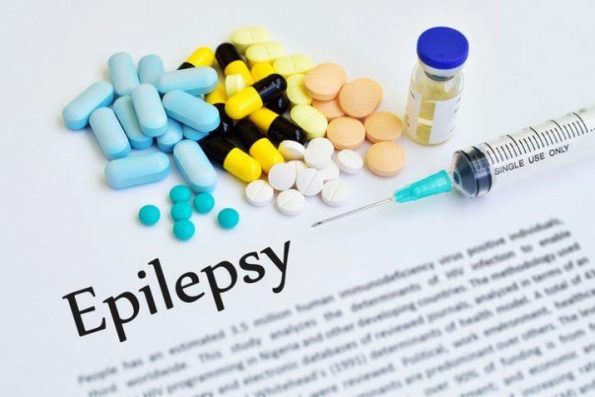
The main goal of epilepsy treatment is to reduce or prevent seizures while minimizing treatment-related side effects.
Anti-Seizure Medicines
Anti-seizure medications are commonly used to control epilepsy. The appropriate medication depends on factors such as seizure type, age, other medical conditions, potential interactions, and individual circumstances.
Medication should be taken exactly as prescribed. Do not stop an anti-seizure medicine suddenly unless a healthcare professional specifically instructs you to do so, because sudden withdrawal can increase seizure risk.
Surgery
For some people whose seizures originate from a specific area of the brain and do not respond adequately to medication, epilepsy surgery may be considered by a specialist.
Vagus Nerve Stimulation and Other Therapies
Some people with difficult-to-control epilepsy may be candidates for devices or specialized treatments such as vagus nerve stimulation or other forms of neuromodulation.
Dietary Therapy
Specialized diets, particularly medically supervised ketogenic dietary therapy, may be helpful for certain types of epilepsy, especially in some children. Such diets should be undertaken with appropriate medical and nutritional supervision.
What to Do During an Epileptic Seizure
Knowing basic seizure first aid can help protect someone from injury.
During a Seizure:
- Stay calm and remain with the person.
- Move dangerous objects away from them.
- If possible, gently place something soft under their head.
- Turn the person onto their side when practical, particularly after the active movements stop.
- Loosen tight clothing around the neck.
- Keep track of how long the seizure lasts.
- Allow the seizure to finish naturally.
What Not to Do:
- Do not restrain the person.
- Do not put anything in their mouth.
- Do not give food, water, or medication while they are unconscious or actively seizing.
- Do not attempt to stop their movements.
A seizure can be frightening to watch, but appropriate first aid can reduce the risk of injury.
When Is Emergency Medical Help Needed?
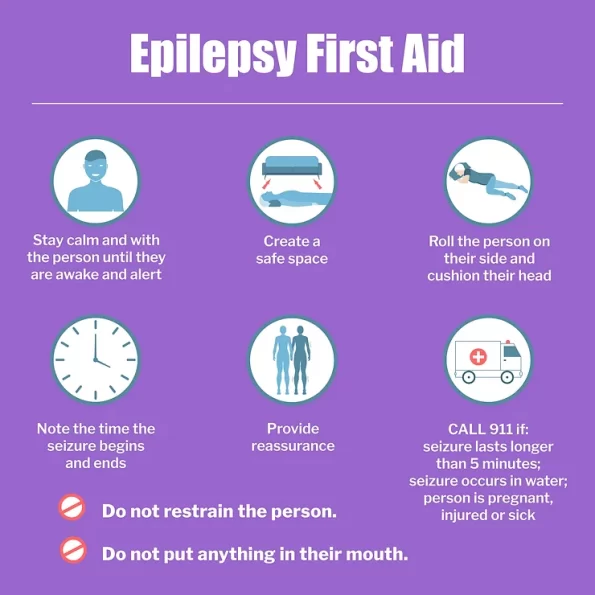
Emergency medical assistance is particularly important when:
- The seizure lasts longer than five minutes.
- Another seizure begins soon after the first.
- The person has difficulty breathing or does not regain consciousness.
- The person is seriously injured.
- The seizure occurs in water.
- It is the person’s first known seizure.
- The person is pregnant or has a significant underlying medical condition.
- You are concerned about the person’s condition.
A prolonged seizure can be a medical emergency and requires prompt treatment.
Lifestyle Tips for People With Epilepsy
Lifestyle habits can support overall health and may help reduce seizure risk in some people.
Get Enough Sleep
Sleep deprivation can increase seizure risk in some individuals. Maintain a consistent sleep schedule and aim for adequate rest.
Take Medication Consistently
Missing doses is an important and potentially preventable cause of breakthrough seizures. Use reminders or a medication organizer if necessary.
Manage Stress
Stress can be a trigger for some people. Relaxation techniques, physical activity appropriate for your condition, and regular routines may help.
Limit Alcohol
Alcohol can affect seizure risk and can interact with medications. Discuss alcohol use with your healthcare professional.
Stay Hydrated and Eat Regularly
Maintaining regular meals and adequate hydration supports general health.
Keep a Seizure Diary
Record seizure dates, duration, possible triggers, sleep patterns, medications, and symptoms. This information can help your healthcare professional understand your condition.
Can Natural Remedies Cure Epilepsy?

There is currently no general herbal remedy that should be considered a replacement for medically prescribed epilepsy treatment.
Some herbs and supplements can interact with medicines or potentially affect seizure risk. Therefore, people with epilepsy should talk with a doctor or pharmacist before using herbal products, dietary supplements, or concentrated extracts.
At New Pansari, we encourage responsible use of herbal products and recommend that people with epilepsy discuss any supplement with their healthcare professional before adding it to their routine.
The most important priority is appropriate diagnosis, prescribed treatment, and regular medical follow-up.
Epilepsy and Everyday Safety
People with epilepsy can often participate in many normal activities, but safety planning is important.
Depending on seizure control and local regulations, healthcare professionals may provide advice about:
- Driving
- Swimming
- Bathing
- Working around machinery
- Working at heights
- Cooking
- Operating vehicles
- Participating in certain sports
Safety recommendations should be individualized according to seizure type, frequency, warning symptoms, and local laws.
When Should You See a Doctor?
Consult a healthcare professional if you experience a seizure for the first time, repeated unexplained episodes of loss of awareness, unusual repetitive movements, unexplained falls, or other symptoms that could represent seizures.
People who already have epilepsy should maintain regular follow-up appointments, particularly if seizures become more frequent, medication side effects develop, or treatment appears less effective.
Frequently Asked Questions About Epilepsy
Is epilepsy contagious?
No. Epilepsy is not contagious and cannot be transmitted from one person to another.
Can epilepsy be cured?
Some people eventually become seizure-free, while others require long-term treatment. Whether epilepsy can be considered resolved depends on the individual’s diagnosis, seizure history, age, and medical circumstances.
Can a person with epilepsy live a normal life?
Many people with epilepsy lead active and productive lives when their condition is appropriately managed. Individual restrictions may depend on seizure frequency and type.
Does lack of sleep trigger seizures?
Sleep deprivation can increase seizure risk in some people with epilepsy. Maintaining a regular sleep schedule is therefore important.
Should you put a spoon in someone’s mouth during a seizure?
No. Never put a spoon, fingers, or another object into a person’s mouth during a seizure. This can cause injury or choking.
Can herbal supplements replace epilepsy medication?
No. Herbal supplements should not be used as a replacement for prescribed anti-seizure medication. Some supplements can also interact with medications.
Conclusion
Epilepsy is a neurological condition involving recurrent seizures caused by abnormal electrical activity in the brain. Its symptoms, causes, and severity can vary significantly from one person to another.
Early evaluation, accurate diagnosis, appropriate treatment, medication adherence, adequate sleep, trigger awareness, and seizure-safety planning can all be important parts of epilepsy management.
If you or someone you know experiences a first seizure or repeated unexplained seizure-like episodes, seek medical evaluation. Do not stop prescribed epilepsy medication or begin herbal supplements without professional medical advice.
Medical Disclaimer
This article is provided for general educational and informational purposes. It is not a substitute for diagnosis, treatment, or advice from a qualified healthcare professional. Anyone experiencing seizures should seek appropriate medical evaluation.