Turmeric, commonly known as Haldi, is one of the most popular spices used in Pakistani, Indian, and South Asian kitchens. Its bright golden-yellow color, earthy flavor, and long history in traditional wellness practices have made it an important ingredient in everyday cooking and herbal traditions.
Turmeric comes from the underground stem of the plant Curcuma longa, which belongs to the ginger family. It is used in curries, soups, rice dishes, herbal drinks, and traditional preparations. Turmeric also contains natural compounds called curcuminoids, including curcumin, which researchers have studied for their possible health effects.
In 2026, turmeric was named Herb of the Year by the International Herb Association, highlighting its culinary, botanical, and traditional importance.
But what are the real benefits of turmeric? How can you use Haldi in your daily routine, and what precautions should you know before taking turmeric supplements?
In this complete guide, we explore turmeric benefits, nutritional properties, traditional uses, preparation methods, side effects, and frequently asked questions.
What Is Turmeric (Haldi)?
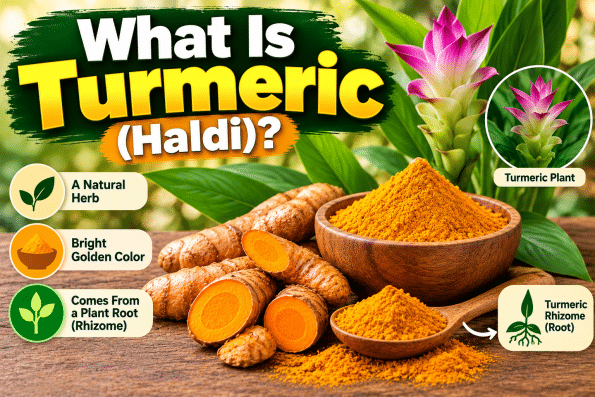
Turmeric is a tropical plant grown in several Asian regions, including India and other parts of South Asia. The part commonly used is its rhizome, an underground stem that resembles ginger.
Fresh turmeric has a bright orange-yellow interior, while dried turmeric is usually ground into a fine golden powder. Both forms are widely used in cooking and traditional herbal practices.
The botanical name of turmeric is Curcuma longa. Its main studied compounds include curcumin and other curcuminoids, which contribute to its color and are being investigated for their biological effects.
Turmeric is available in several forms:
- Fresh turmeric root
- Dried turmeric powder
- Turmeric tea and beverages
- Turmeric capsules and extracts
- Curcumin supplements
- Turmeric-containing skin-care preparations
These products are not interchangeable. Supplements can contain concentrated amounts of curcumin and other ingredients that differ considerably from ordinary culinary turmeric.
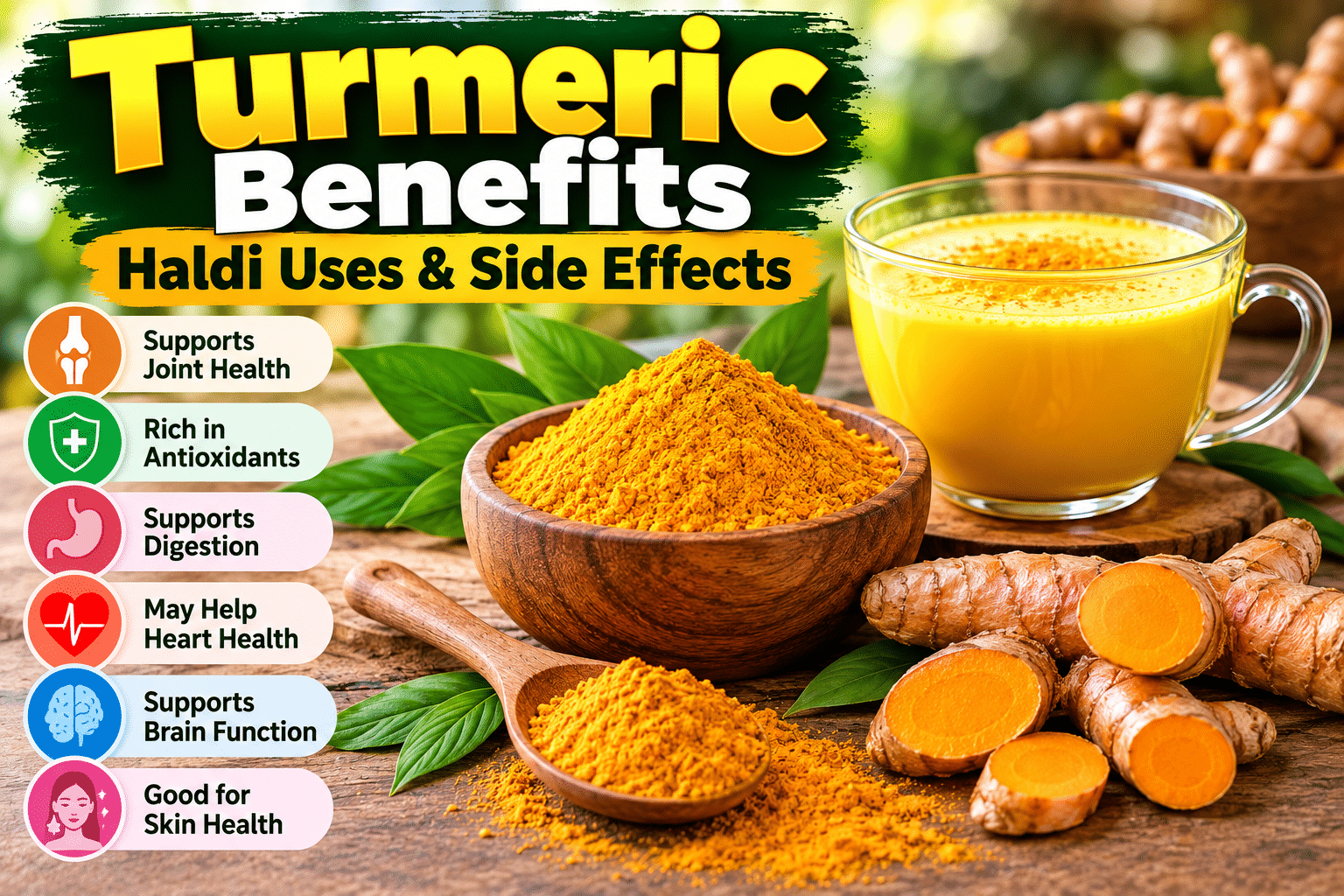
10 Potential Benefits of Turmeric
Turmeric has many traditional uses, but scientific evidence varies depending on the condition and preparation. The following benefits distinguish traditional uses from what current research suggests.
1. Contains Antioxidant Compounds
Turmeric contains curcuminoids, including curcumin, which have demonstrated antioxidant activity in laboratory research.
Antioxidants help protect cells from damage associated with unstable molecules called free radicals. However, laboratory findings do not automatically mean that consuming turmeric supplements prevents particular diseases in humans.
Using turmeric as a spice is one practical way to add flavor and naturally occurring plant compounds to a balanced diet.
2. May Support a Healthy Inflammatory Response
Curcumin has been studied for its effects on biological pathways involved in inflammation.
Some research suggests that turmeric or curcumin preparations may help with certain symptoms associated with inflammation-related conditions. Nevertheless, the evidence is not strong enough to conclude that turmeric supplements effectively treat inflammatory diseases.
Turmeric should therefore be considered a food ingredient or a possible subject of complementary care, not a replacement for prescribed treatment.
3. May Help Support Joint Comfort
Researchers have investigated turmeric and curcumin for knee osteoarthritis, particularly symptoms such as discomfort and stiffness.
Some clinical studies have reported promising results, but research quality, supplement formulations, and study sizes vary. More high-quality evidence is needed to establish the extent of any benefit.
People experiencing persistent joint pain should seek medical advice rather than relying exclusively on turmeric.
4. Supports a Flavorful, Balanced Diet
One of turmeric’s most practical benefits is its ability to add color and flavor to everyday meals.
You can use Haldi in lentils, vegetables, soups, rice, and other dishes. Flavorful spices can make balanced home-cooked meals more enjoyable without requiring excessive salt or rich sauces.
Turmeric itself is not a complete nutritional supplement, so it should be combined with a varied diet containing vegetables, fruits, whole grains, protein sources, and healthy fats.
5. May Support Metabolic Health, but Evidence Is Limited
Researchers have studied curcumin supplements for possible effects on blood glucose, blood lipids, and other metabolic measurements.
Some studies report changes in certain outcomes, but the evidence remains insufficient to establish turmeric as a treatment for diabetes, high cholesterol, or other metabolic conditions.
Anyone taking diabetes or cholesterol medication should not change their treatment or begin concentrated turmeric supplements without consulting a healthcare professional.
6. Has a Long History in Traditional Wellness Practices
Turmeric has been used in South Asian and other traditional medicine systems for many generations.
Traditional preparations have included turmeric-containing foods, drinks, and topical applications. These practices are culturally significant, but traditional use alone does not establish that a preparation is effective for a particular medical condition.
Understanding the difference between traditional knowledge and clinical evidence helps consumers make informed decisions.
7. May Have Potential Benefits for Skin, but More Research Is Needed
Turmeric appears in traditional skin-care preparations and modern cosmetic products.
Curcumin and turmeric extracts have been investigated for their biological properties, but evidence supporting specific skin benefits remains limited. Applying turmeric directly to the skin may also cause irritation or allergic reactions in some individuals.
If you use a turmeric-containing cosmetic, follow its directions and test it on a small area of skin first. Avoid applying homemade mixtures to broken or irritated skin.
8. Is Being Studied for Digestive Health
Traditional practices have used turmeric in preparations intended to support digestion. Researchers are also studying curcumin in relation to various digestive conditions.
However, there is not enough reliable evidence to conclude that turmeric supplements consistently improve digestive disorders. Turmeric can also cause stomach upset, acid reflux, nausea, or diarrhea in some people.
Persistent abdominal pain, vomiting, or other digestive symptoms should be assessed by a healthcare professional.
9. Provides a Useful Alternative to Excessively Salty Seasoning
Turmeric combines well with cumin, coriander, ginger, garlic, and other spices. Using a variety of seasonings can help build flavor in home cooking.
This is a practical dietary advantage rather than a unique medicinal effect. Turmeric does not automatically make a meal healthier, but it can be part of a balanced approach to preparing food.
10. Offers Versatile Culinary and Herbal Uses
Turmeric is suitable for a wide range of recipes, from savory dishes to warm drinks and selected food preparations.
Fresh root and powdered turmeric differ in flavor, texture, and concentration. Turmeric extracts and capsules can contain substantially more concentrated compounds than normal foods, so their effects and safety considerations may also differ.
The most appropriate form depends on whether your goal is cooking, flavor, or a supplement discussed with a healthcare professional.
Nutritional Properties of Turmeric
Turmeric powder contains small amounts of several nutrients, along with plant compounds that contribute to its distinctive color and flavor.
Its nutritional composition includes:
- Carbohydrates
- Dietary fiber
- Small amounts of protein
- Small amounts of fat
- Minerals in varying quantities
- Curcuminoids and other plant compounds
Turmeric is generally consumed in relatively small amounts as a spice. Therefore, it should not be considered a major source of daily nutrients.
For a detailed nutritional assessment, refer to a reliable food-composition database and the actual quantity used in a recipe.
Turmeric vs. Curcumin: What Is the Difference?
Turmeric and curcumin are related, but they are not the same thing.
Turmeric is the whole rhizome or the powder made from it. It contains curcumin, other curcuminoids, essential oils, and various additional plant components.
Curcumin is one of the principal compounds found in turmeric. It is often extracted and concentrated for dietary supplements.
This distinction matters because research conducted on a concentrated curcumin extract cannot automatically be applied to ordinary turmeric powder.
Some supplements are designed to increase curcumin absorption. These formulations may behave differently from conventional turmeric products and have been associated with reports of liver injury.
For everyday cooking, turmeric powder is a familiar spice. Concentrated supplements require greater attention to product quality, medication interactions, and individual health conditions.
How to Use Turmeric in Everyday Life
Turmeric can be incorporated into meals in several simple ways.
1. Add Turmeric to Cooking
Use turmeric as directed in recipes for lentils, vegetables, curries, soups, and rice dishes. Combine it with other spices to create a balanced flavor.
2. Prepare a Turmeric Drink
You can add a small culinary amount of turmeric powder to warm milk or a suitable plant-based drink. Adjust the flavor according to your preference.
Such drinks may be enjoyable as part of a normal diet, but they should not be described as cures for infections, joint diseases, or other medical conditions.
3. Use Fresh Turmeric in Recipes
Fresh turmeric can be grated into suitable dishes, soups, or sauces. Handle it carefully because its strong pigment can stain clothing, utensils, and work surfaces.
4. Choose Turmeric Products Carefully
If buying turmeric powder, look for clear ingredient information, suitable packaging, batch details, and a reputable supplier.
For supplements, review the ingredient list, amount per serving, quality-testing information, and any additional ingredients. Do not assume that a product is safe simply because it is labeled natural.
Turmeric Side Effects and Precautions
Turmeric used in normal culinary quantities is generally well tolerated by most people. However, turmeric supplements and concentrated curcumin extracts may cause side effects.
Possible side effects include:
- Nausea
- Vomiting
- Stomach discomfort
- Acid reflux
- Diarrhea
- Constipation
- Skin itching or irritation with some topical products
The risk may vary according to the dose, formulation, duration of use, and individual health.
Can Turmeric Supplements Affect the Liver?
Yes. Liver injury has been reported in some people using turmeric or curcumin supplements, particularly certain formulations designed to improve absorption.
Stop taking the supplement and seek medical advice if you develop unusual fatigue, loss of appetite, dark urine, or yellowing of the skin or eyes.
Is Turmeric Safe During Pregnancy?
Turmeric used in ordinary food quantities is different from concentrated supplements. The safety of taking turmeric supplements during pregnancy has not been adequately established, and such use may be unsafe.
Pregnant or breastfeeding individuals should consult a qualified healthcare professional before taking concentrated turmeric products.
Can Turmeric Interact With Medicines?
Turmeric supplements may interact with medicines, and the significance depends on the formulation and the medication involved.
If you take regular medicines or have a chronic health condition, consult your doctor or pharmacist before starting a concentrated turmeric supplement.
Do not stop or reduce prescribed medication in favor of turmeric.
Who Should Be Careful With Turmeric Supplements?
Seek professional advice before using concentrated turmeric or curcumin products if you:
- Have liver disease or a history of liver problems.
- Take regular prescription medicines.
- Are pregnant or breastfeeding.
- Have a medical condition requiring ongoing treatment.
- Have experienced an allergic reaction to turmeric products.
- Are planning surgery and use dietary supplements.
People with persistent symptoms should receive an appropriate medical assessment rather than relying on herbal products alone.
How to Choose Good-Quality Turmeric
Product quality matters whether you purchase turmeric for cooking or as a supplement.
Consider the following points:
- Check the label: Look for the ingredient name and relevant product details.
- Choose reliable suppliers: Prefer sellers who provide traceable product information.
- Review quality testing: Where available, look for credible testing for contaminants and adulteration.
- Check packaging: Packaging should be intact and suitable for protecting the product.
- Avoid exaggerated claims: Be cautious of products promising guaranteed cures, rapid weight loss, or treatment of serious diseases.
Pure appearance or bright color alone cannot establish the purity of turmeric. Reliable sourcing and appropriate testing provide stronger quality assurance.
Frequently Asked Questions About Turmeric
What is turmeric called in Urdu?
Turmeric is called Haldi (ہلدی) in Urdu. It is widely used as a spice in Pakistani and South Asian cooking.
What is the botanical name of turmeric?
The botanical name is Curcuma longa. The plant belongs to the ginger family, Zingiberaceae.
What is the main active compound in turmeric?
Curcumin is one of the principal curcuminoids studied in turmeric research. Turmeric contains other compounds as well, so it should not be treated as equivalent to purified curcumin.
Can I use turmeric every day?
Turmeric can be included regularly in meals as a culinary spice for most people. Daily use of concentrated supplements is a separate matter and should be considered in light of individual health, product formulation, and medications.
Is fresh turmeric better than turmeric powder?
Neither form is universally better. Fresh turmeric has a different texture and flavor, while powdered turmeric is convenient for cooking. Their composition and concentration differ.
Does turmeric cure arthritis?
No. Some studies have investigated curcumin for knee osteoarthritis symptoms, but the evidence is not sufficient to establish turmeric as a cure. It should not replace appropriate medical treatment.
Can turmeric help with weight loss?
There is insufficient evidence to recommend turmeric as a stand-alone weight-loss treatment. Sustainable weight management depends on dietary habits, physical activity, sleep, and other individual factors.
Is turmeric safe for the skin?
Turmeric is used in some cosmetic preparations, but it may irritate the skin or cause allergic reactions. Evidence for specific skin benefits remains limited, and care should be taken with homemade preparations.
Why is turmeric called the Herb of the Year 2026?
The International Herb Association designated turmeric as its 2026 Herb of the Year, recognizing its importance in cooking, botanical study, and traditional uses.
Conclusion
Turmeric (Haldi) is a versatile spice with a long history in South Asian food and traditional wellness practices. It contains curcumin and other plant compounds that researchers continue to investigate, particularly for their potential effects on joint symptoms and other health outcomes.
However, promising research does not mean that turmeric can cure disease. Its most established everyday role is as a culinary ingredient, while concentrated supplements require careful consideration of their benefits, side effects, and possible interactions.
For New Pansari readers, understanding turmeric’s traditional uses alongside current scientific evidence can help them make more informed choices about herbal products.
Choose quality ingredients, use turmeric sensibly in cooking, and seek professional advice before taking concentrated supplements, particularly if you are pregnant, have a medical condition, or take regular medication.
Medical disclaimer: This article is for educational purposes only and is not a substitute for professional medical advice, diagnosis, or treatment.