Introduction
Stress is a common experience in modern life. Work pressure, family responsibilities, financial concerns, poor sleep, and everyday challenges can affect both physical and emotional well-being. Occasional stress is a normal response to demanding situations, but persistent stress can interfere with sleep, concentration, mood, and daily activities.
Many people explore natural approaches to support relaxation and improve their overall well-being. Herbal remedies have been used in traditional wellness practices for centuries, and some herbs are now being studied for their potential effects on stress, anxiety symptoms, and sleep quality.
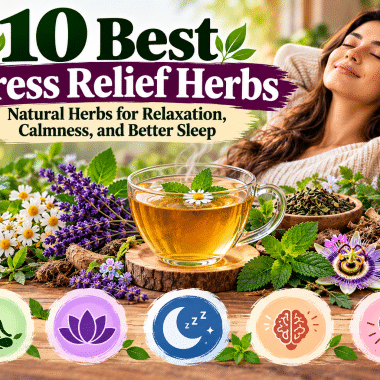
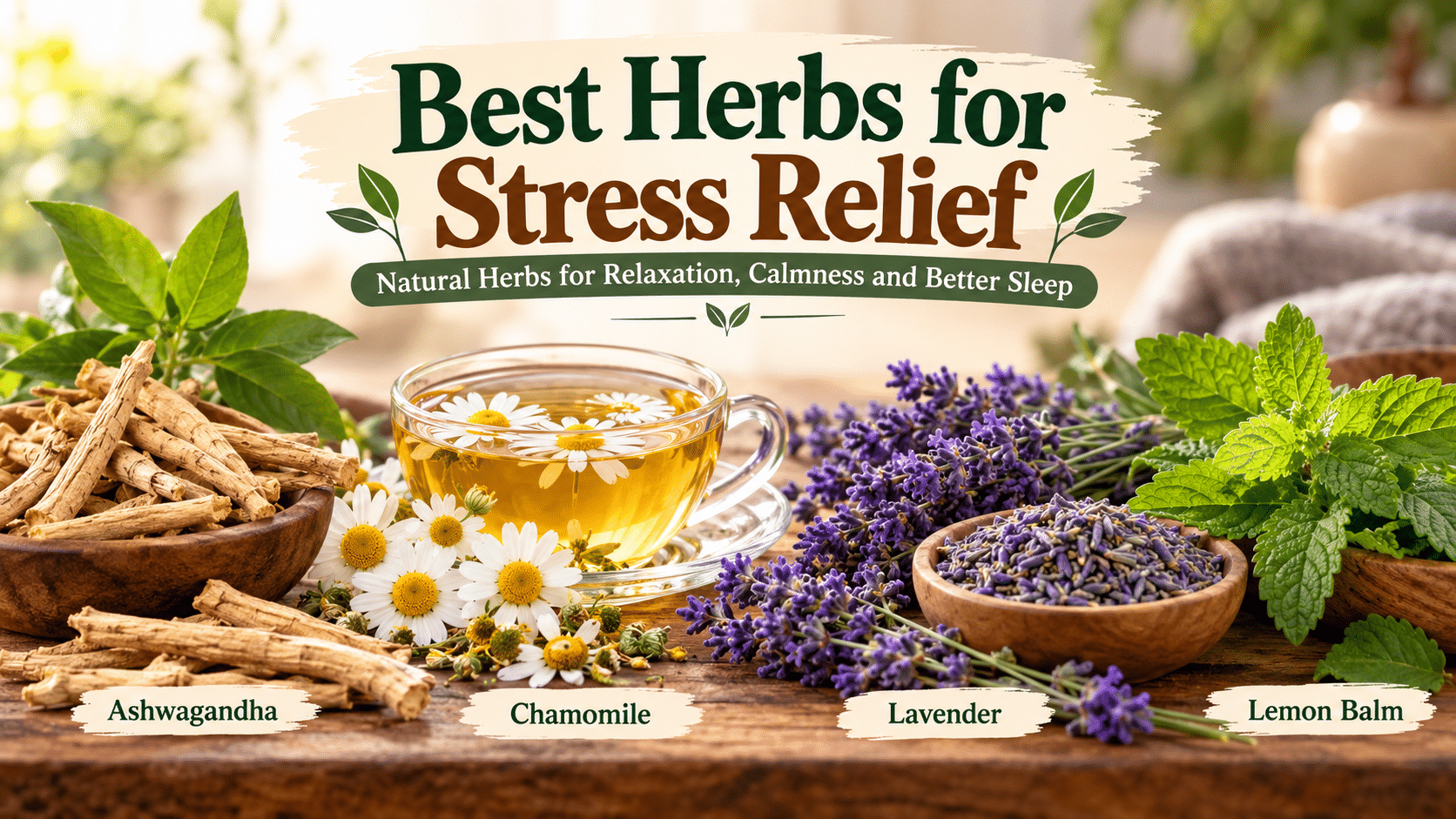
The best herbs for stress relief include ashwagandha, chamomile, lavender, lemon balm, passionflower, holy basil, valerian root, and peppermint. However, these herbs do not all work in the same way, and scientific evidence varies considerably between them.
Some have preliminary clinical evidence for specific benefits, while others are primarily valued for their traditional uses or their role in relaxing daily routines.
In this guide, we will explore eight popular herbs for stress relief, how people traditionally use them, what scientific research suggests, and what you should know before trying herbal products.
What Is Stress?
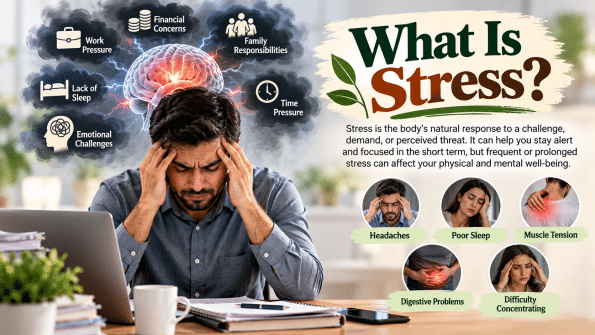
Stress is the body’s natural response to a challenge, demand, or perceived threat. When a person experiences stress, the nervous system activates a series of responses that prepare the body to respond to the situation.
Short-term stress may increase alertness and help someone complete an important task. However, frequent or prolonged stress can become difficult to manage.
Common sources of stress include:
- Work-related pressure and demanding schedules
- Financial difficulties and family responsibilities
- Lack of sleep or an irregular sleep routine
- Major life changes and emotional challenges
- Excessive caffeine consumption
- Ongoing health concerns
- Limited time for relaxation and physical activity
Stress affects people differently. Some experience muscle tension or headaches, while others notice changes in sleep, appetite, concentration, or mood.
It is important to distinguish ordinary stress from an anxiety disorder or another health condition. Herbal products may help some people with particular symptoms, but they are not a guaranteed solution for persistent or severe distress.
8 Best Herbs for Stress Relief
1. Ashwagandha (Withania somnifera)
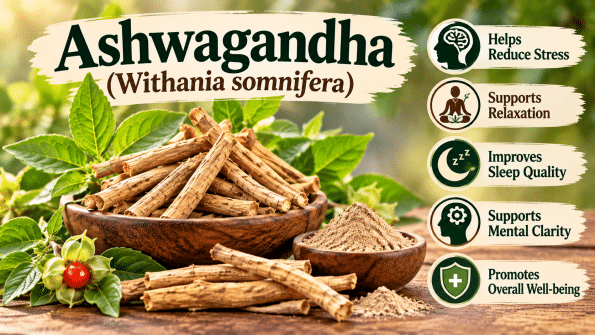
Ashwagandha is one of the best-known herbs in Ayurvedic traditional medicine. It is often described as an adaptogenic herb, a term used for substances believed to help the body adapt to stress.
The roots are commonly used in herbal preparations, including powders, capsules, and standardized extracts.
Potential benefits of ashwagandha
Some clinical studies suggest that particular ashwagandha extracts may help reduce perceived stress and improve sleep in certain adults. Research has also examined its possible effects on stress-related symptoms and cortisol levels, although findings vary between studies.
Potential areas of interest include:
- Supporting a healthy response to everyday stress
- Helping some adults manage perceived stress
- Supporting sleep quality in certain circumstances
- Promoting general well-being as part of a balanced routine
How is ashwagandha used?
Ashwagandha is available in different forms, including root powder, capsules, and standardized extracts. Product strength and composition vary, so recommendations for one preparation should not automatically be applied to another.
Consult a qualified healthcare professional before using ashwagandha supplements.
Safety precautions: Ashwagandha should be avoided during pregnancy and breastfeeding. It may affect thyroid function, interact with medicines, and has been associated with rare cases of liver injury. People with thyroid disorders, autoimmune conditions, or liver problems should seek medical advice before considering it.
2. Chamomile (Matricaria chamomilla)
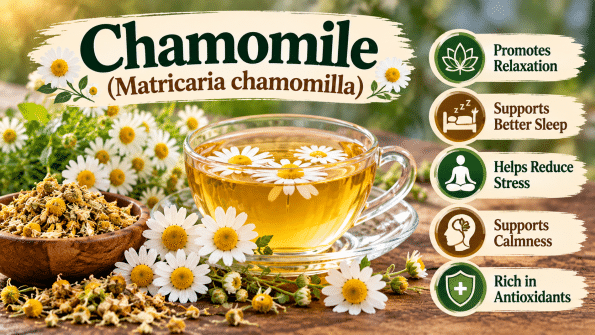
Chamomile is a popular flowering herb traditionally used to prepare herbal tea. Its mild flavor and pleasant aroma make it a common choice for an evening relaxation routine.
Chamomile is especially popular among people who want a warm, caffeine-free beverage before bedtime.
Potential benefits of chamomile
Research has explored chamomile’s possible effects on anxiety symptoms and relaxation. Some preliminary studies suggest that certain chamomile preparations may help some people, but the evidence is not strong enough to consider chamomile an established treatment for anxiety disorders.
Its potential advantages include:
- Providing a caffeine-free alternative to evening tea or coffee
- Supporting a calming bedtime routine
- Offering a pleasant way to pause and relax
- Potentially helping with some mild anxiety symptoms
How to use chamomile
Chamomile flowers can be prepared as a tea according to the product instructions. Allow time to sit quietly while drinking it, and combine the routine with a consistent sleep schedule.
Chamomile tea should not be presented as a cure for insomnia or anxiety.
Safety precautions: Chamomile can cause allergic reactions, particularly in people who are sensitive to plants in the daisy family. People taking warfarin or sedative medicines should discuss regular medicinal use with a healthcare professional.
3. Lavender (Lavandula angustifolia)
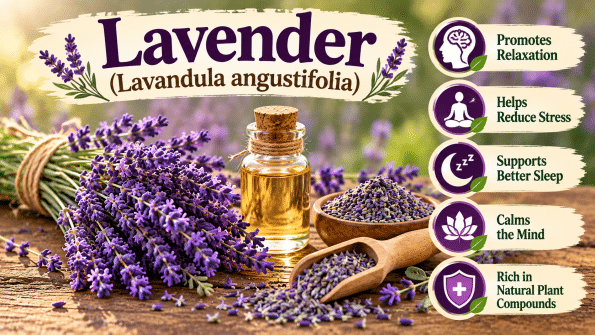
Lavender is an aromatic plant widely recognized for its purple flowers and distinctive fragrance. It has a long history of use in traditional wellness practices, aromatherapy, and relaxation products.
Lavender is commonly used in scented products, sachets, bath products, and aromatherapy preparations.
Potential benefits of lavender
Some research suggests that the aroma of lavender may promote relaxation for certain people. Particular standardized oral lavender-oil preparations have also been studied for anxiety symptoms, although results cannot be generalized to every lavender product.
Potential uses include:
- Creating a calming environment at home
- Supporting a relaxing bedtime routine
- Helping some people feel calmer through aromatherapy
- Providing a pleasant addition to relaxation practices
How to use lavender
Lavender may be used in an aromatherapy diffuser according to the manufacturer’s directions. Another option is to include lavender-scented products in an evening routine.
Essential oils are concentrated substances. Do not swallow ordinary lavender essential oil or apply it undiluted to the skin. Oral lavender preparations are different from products intended only for external use.
Safety precautions: Lavender products may cause skin irritation or other side effects. Oral preparations can cause digestive symptoms and may increase drowsiness when combined with sedative medicines. Ask a healthcare professional about their suitability if you take medication or have an existing health condition.
4. Lemon Balm (Melissa officinalis)
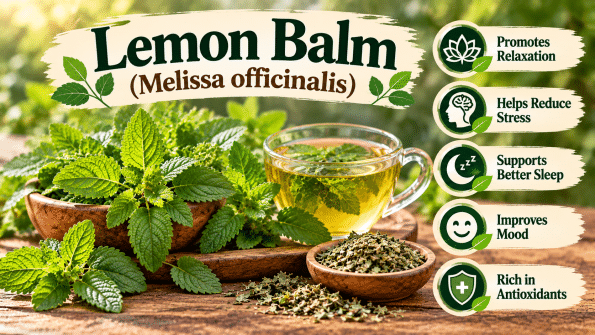
Lemon balm is a member of the mint family with a mild lemon-like aroma. It has traditionally been used in herbal teas and other preparations intended to support relaxation and ease restlessness.
Its leaves are often used to prepare a soothing herbal infusion.
Potential benefits of lemon balm
Small preliminary studies have investigated lemon balm for mood, relaxation, and anxiety-related symptoms. However, research remains limited, and further well-designed human studies are needed.
Traditionally, lemon balm has been used to:
- Support relaxation during stressful periods
- Form part of a calming tea routine
- Help people wind down before bedtime
- Provide a pleasant herbal alternative to caffeinated beverages
How to use lemon balm
Lemon balm leaves can be prepared as tea according to the product instructions. It can also be found in some commercial herbal blends.
A calming routine that includes herbal tea, reduced screen time, and a regular sleep schedule may be useful even when the tea itself has limited direct effects.
Safety precautions: Evidence about long-term use and interactions is limited. People with thyroid conditions or those taking regular medicines should consult a healthcare professional before using concentrated lemon balm supplements.
5. Passionflower (Passiflora incarnata)
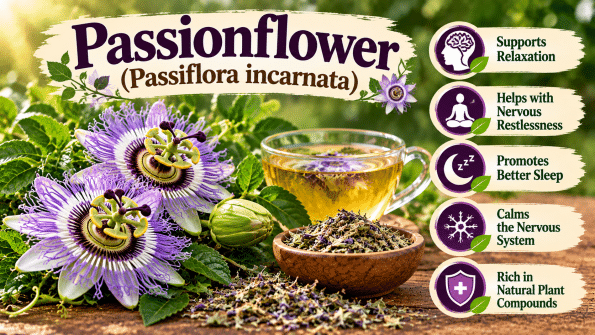
Passionflower is a climbing plant known for its distinctive flowers. Certain parts of the plant have traditionally been used in herbal preparations for restlessness and relaxation.
It is available in some teas, liquid extracts, and dietary supplements.
Potential benefits of passionflower
Preliminary research has investigated passionflower for anxiety symptoms and sleep-related concerns. Some small studies have reported possible benefits, but the evidence is limited and does not establish it as a reliable treatment.
Traditional uses include:
- Supporting relaxation during periods of nervous restlessness
- Forming part of evening herbal preparations
- Helping some people establish a bedtime routine
How to use passionflower
Use only products intended for human consumption and follow their directions. Because concentrated preparations can have stronger effects than ordinary herbal tea, consult a healthcare professional before using them.
Safety precautions: Passionflower may cause drowsiness, dizziness, or confusion. It should not be combined with alcohol or sedative medicines without medical guidance. Avoid it during pregnancy, and seek professional advice before using it while breastfeeding.
6. Holy Basil (Tulsi) (Ocimum tenuiflorum)
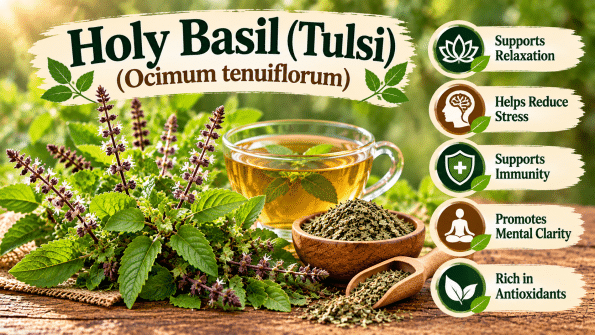
Holy basil, commonly known as tulsi, is an important plant in traditional Ayurvedic wellness practices. Its aromatic leaves are used in teas and other herbal preparations.
Tulsi is widely consumed in South Asian households and is valued for its traditional role in daily wellness routines.
Potential benefits of holy basil
Researchers have investigated tulsi for its possible effects on stress-related symptoms and general well-being. However, high-quality clinical evidence remains insufficient to confirm that it reliably reduces stress or treats anxiety disorders.
Traditional uses include:
- Preparing a warm herbal tea
- Supporting a mindful daily wellness routine
- Providing a caffeine-free alternative when used without tea leaves
- Encouraging regular moments of relaxation
How to use tulsi
Tulsi leaves may be prepared as tea using food-grade leaves and the preparation instructions supplied with the product.
Avoid assuming that traditional use proves a particular medical benefit. Supplements may also differ substantially in concentration and composition.
Safety precautions: People taking medicines for blood sugar control or blood clotting should seek professional advice before using concentrated tulsi supplements. Anyone preparing for surgery should tell their healthcare team about herbal products they use.
7. Valerian Root (Valeriana officinalis)
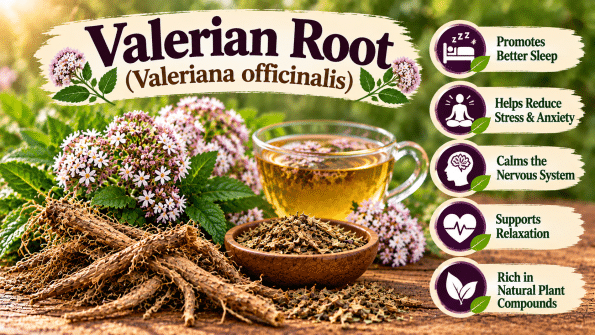
Valerian is a flowering plant whose root is used in some herbal preparations. It is more commonly associated with sleep support than with direct stress management.
Valerian is available as tea, capsules, and extracts, although these products are not interchangeable.
Potential benefits of valerian root
Research on valerian for sleep has produced inconsistent results. It has not been conclusively established as an effective treatment for insomnia, anxiety, or chronic stress.
Some people use valerian as part of a bedtime routine intended to support relaxation.
Possible areas of use include:
- Supporting a calming evening routine
- Exploring herbal approaches to sleep-related concerns
- Providing an option for discussion with a healthcare professional when sleep difficulties are present
How to use valerian
If considering valerian, choose a clearly labeled product and follow professional guidance. Avoid taking it before driving or performing activities that require alertness until you know how it affects you.
Safety precautions: Valerian can cause drowsiness, dizziness, and other side effects. Do not combine it with alcohol, sleeping tablets, or other sedatives without medical advice. Seek medical guidance before using it regularly.
8. Peppermint (Mentha × piperita)
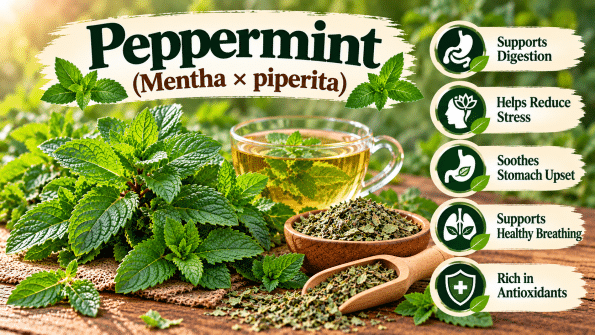
Peppermint is a familiar aromatic herb used in teas, foods, and traditional herbal preparations. Its refreshing flavor makes it a popular alternative to caffeinated beverages.
Although peppermint is often included in wellness routines, there is limited clinical evidence that it directly treats stress or anxiety.
Potential benefits of peppermint
Peppermint tea may be useful as a relaxing beverage when consumed in a quiet environment. Its main practical value for stress management may come from the calming routine surrounding its use rather than a proven direct effect on the body’s stress response.
Potential uses include:
- Replacing caffeinated drinks later in the day
- Creating a refreshing herbal tea routine
- Encouraging short breaks during a demanding day
- Supporting general hydration when consumed as a beverage
How to use peppermint
Prepare peppermint tea according to the product instructions. Choose plain peppermint tea if you want to avoid the caffeine found in black tea, green tea, and many energy drinks.
Safety precautions: Peppermint may worsen heartburn or acid reflux in some people. Peppermint essential oil is concentrated and should not be swallowed unless it is a specifically formulated product used according to professional guidance.
Which Herb Is Best for Stress Relief?
There is no single best herb for everyone. The most appropriate choice depends on the symptoms, the evidence available, the person’s health, and any medicines they take.
The following table provides a simple comparison.
| Herb | Main area of interest | Strength of evidence |
|---|---|---|
| Ashwagandha | Perceived stress and sleep | Promising but limited |
| Chamomile | Relaxation and some anxiety symptoms | Preliminary and mixed |
| Lavender | Relaxation and certain anxiety symptoms | Depends on preparation |
| Lemon balm | Relaxation and mood | Limited |
| Passionflower | Anxiety symptoms and sleep | Limited |
| Holy basil | Stress-related well-being | Limited |
| Valerian root | Sleep-related concerns | Inconsistent |
| Peppermint | Relaxing, caffeine-free tea routine | Limited for direct stress relief |
These descriptions reflect general research limitations rather than a guarantee of effectiveness. Herbal products can differ in strength, purity, and composition.
Natural Ways to Reduce Stress Alongside Herbal Remedies
Herbs should not be the only strategy for managing stress. Daily habits and practical coping skills can make an important contribution to emotional well-being.
1. Maintain a regular sleep schedule
Try to go to bed and wake up at consistent times. A regular sleep schedule can help support energy, concentration, and mood.
Reduce stimulating activities before bedtime and create a quiet, comfortable sleeping environment.
2. Practice slow breathing
Slow, comfortable breathing may help reduce feelings of tension for some people.
Try breathing gently through your nose, allowing your abdomen to expand, and breathing out slowly without forcing your breath. Continue for a few minutes at a comfortable pace.
Stop if you feel dizzy or uncomfortable.
3. Exercise regularly
Walking, stretching, cycling, swimming, and other suitable forms of movement can support physical and emotional well-being.
Begin with manageable activity and gradually increase it according to your ability. Even a short walk can provide an opportunity to step away from stressful tasks.
4. Reduce excessive caffeine
Caffeine can increase alertness, but too much may contribute to restlessness, a racing heartbeat, or difficulty sleeping in sensitive individuals.
Consider reducing energy drinks and strong tea or coffee, especially later in the day. If you consume a large amount of caffeine, reduce it gradually to minimize withdrawal symptoms.
5. Eat balanced meals
Regular, balanced meals help support general health. Include a variety of vegetables, fruit, whole grains, protein sources, and healthy fats.
No particular food or herb can eliminate stress, but maintaining adequate nutrition can support overall well-being.
6. Make time for relaxation
Choose activities that help you unwind, such as reading, gardening, spending time outdoors, listening to calming sounds, or talking with someone you trust.
A regular relaxation routine may be more sustainable than relying on supplements alone.
7. Seek support when needed
Persistent stress can sometimes be linked to anxiety disorders, depression, sleep disorders, or other health concerns. If stress affects your work, relationships, sleep, or ability to manage daily activities, consider speaking with a qualified healthcare professional.
Psychological therapies, including cognitive behavioral therapy, can help people develop practical strategies for managing stress and anxiety.
Safety Precautions When Using Herbs for Stress Relief
Herbal products can have side effects and may interact with medicines. Their natural origin does not guarantee safety.
Before using medicinal herbs or concentrated supplements, consider the following precautions:
- Pregnancy and breastfeeding: Many herbs have insufficient safety data. Avoid ashwagandha and passionflower during pregnancy, and seek professional advice before using medicinal herbal products while breastfeeding.
- Prescription medicines: Discuss herbal supplements with a doctor or pharmacist, especially if you use sleeping tablets, sedatives, antidepressants, blood thinners, or thyroid medicines.
- Existing health conditions: People with liver disease, thyroid disorders, or other chronic conditions may need to avoid particular herbs.
- Product quality: Select reputable products with clear ingredient lists, expiry dates, and appropriate quality testing.
- Dosage: Follow product directions and professional advice. More is not necessarily better.
- Persistent symptoms: Do not use herbal remedies as a substitute for professional assessment when symptoms are severe or ongoing.
Seek urgent medical care for severe or sudden symptoms, including chest pain, difficulty breathing, or thoughts of harming yourself.
Frequently Asked Questions About Herbs for Stress Relief
1. What are the best herbs for stress relief?
Ashwagandha, chamomile, lavender, lemon balm, passionflower, holy basil, valerian root, and peppermint are popular options. Ashwagandha has some promising research for perceived stress, while the evidence for other herbs varies. No herb is guaranteed to relieve stress.
2. Which herbal tea is best for relaxation?
Chamomile tea is a popular caffeine-free option for an evening relaxation routine. Lemon balm and peppermint teas are other possibilities. Their direct effects on stress vary, and none should be considered a proven treatment for anxiety disorders.
3. Can ashwagandha reduce stress?
Some clinical studies suggest that particular ashwagandha extracts may reduce perceived stress in certain adults. However, studies vary in quality and preparation, and the herb may cause side effects or interact with medicines. Professional advice is recommended before taking it.
4. Can herbs help with anxiety?
Some herbs have been studied for anxiety symptoms, but the evidence is generally limited or preparation-specific. Herbal products should not replace appropriate medical or psychological treatment for an anxiety disorder.
5. How long do stress-relief herbs take to work?
The time varies by herb, preparation, and individual. Some people may experience an immediate sense of relaxation from a calming routine, while studies of certain supplements assess results over several weeks. There is no universal timeframe or guaranteed outcome.
6. Are stress-relief herbs safe to use every day?
Safety depends on the herb, amount, duration, product quality, and individual health. Some herbs can affect the liver, thyroid, alertness, or blood clotting. Seek professional advice before using concentrated supplements regularly.
7. Can I combine different herbs for stress relief?
Combining herbs may increase side effects or create unpredictable interactions, particularly when products contain several concentrated extracts. Do not assume that a combination is safer or more effective than a single ingredient. Consult a qualified professional before combining supplements.
8. Can herbal tea improve sleep?
A warm, caffeine-free tea may form part of a relaxing bedtime routine. However, evidence that particular herbal teas reliably improve sleep is limited. Persistent insomnia should be assessed by a healthcare professional.
9. What is the difference between stress and anxiety?
Stress is often a response to an identifiable demand or challenge. Anxiety may involve persistent worry, fear, or apprehension, sometimes without an immediate external cause. They can overlap, and a healthcare professional can help determine whether symptoms need further assessment.
10. When should I seek professional help for stress?
Seek professional support if stress is persistent, interferes with daily life, causes ongoing sleep problems, or is accompanied by severe anxiety or depression. Effective treatments are available, and early support can make it easier to manage symptoms.
Conclusion
Herbs such as ashwagandha, chamomile, lavender, lemon balm, passionflower, holy basil, valerian root, and peppermint are widely used in traditional wellness practices. Research suggests that certain preparations may help with specific stress-related symptoms, but the quality of evidence varies and many claims require further study.
For everyday well-being, consider combining healthy sleep habits, regular physical activity, slow breathing, balanced nutrition, and enjoyable relaxation routines. Herbal products may be an additional option for some adults, but they are not a substitute for professional care when stress or anxiety becomes persistent or severe.
At New Pansari, our goal is to help readers explore herbs responsibly, understand their traditional uses, and make informed decisions about natural wellness.
Health disclaimer: This article is for educational purposes only and is not a substitute for individualized medical advice, diagnosis, or treatment. Consult a qualified healthcare professional before using herbal supplements, particularly if you take medication, have a medical condition, or are pregnant or breastfeeding.