Introduction
Cholesterol is an essential substance that your body needs to perform important functions. It helps build cell membranes, produce certain hormones, and support other biological processes. However, having too much cholesterol in the blood can increase the risk of cardiovascular disease.
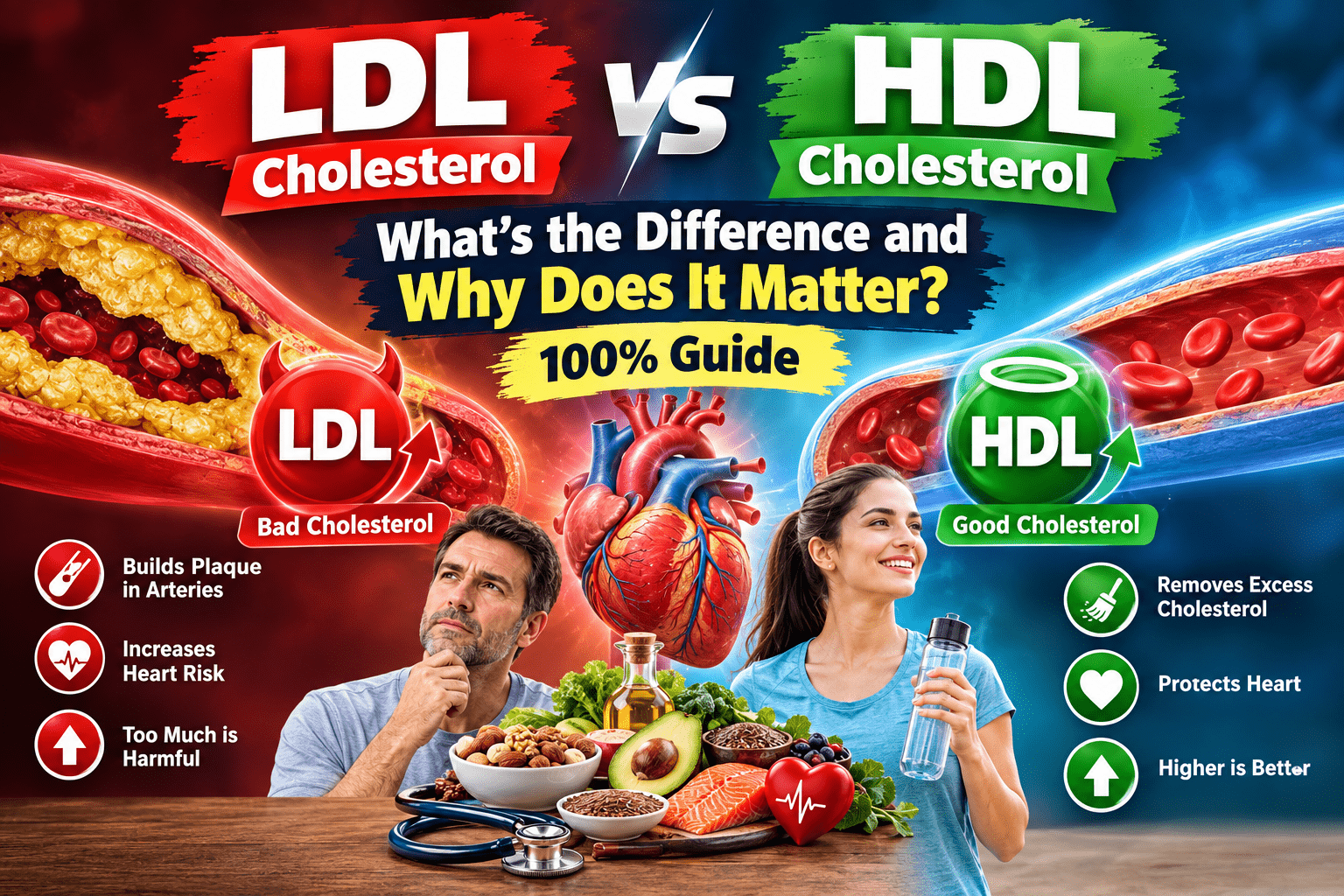
When people talk about cholesterol, two terms appear frequently: LDL and HDL cholesterol. They are often described as “bad cholesterol” and “good cholesterol,” but the reality is more nuanced.
Understanding the difference between LDL vs HDL cholesterol can help you better understand your lipid profile and the lifestyle changes that may support cardiovascular health.
What Is LDL Cholesterol?
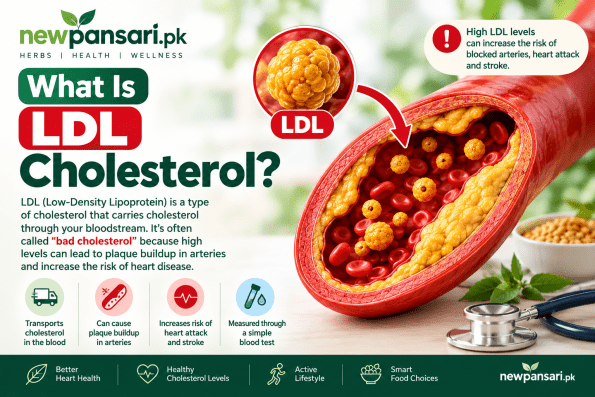
LDL stands for low-density lipoprotein. LDL particles transport cholesterol through the bloodstream.
LDL is commonly called “bad cholesterol” because elevated LDL cholesterol can contribute to the buildup of fatty deposits in artery walls. Over time, this process can contribute to atherosclerosis and increase cardiovascular risk.
For this reason, keeping LDL at an appropriate level is an important part of managing cholesterol and heart health.
Why Is High LDL a Concern?
High LDL cholesterol may contribute to:
- Plaque buildup in arteries
- Narrowing of blood vessels
- Reduced blood flow
- Increased risk of heart attack
- Increased risk of stroke
- Peripheral artery disease
Importantly, high cholesterol often causes no obvious symptoms. A blood test is generally needed to determine cholesterol levels.
What Is HDL Cholesterol?
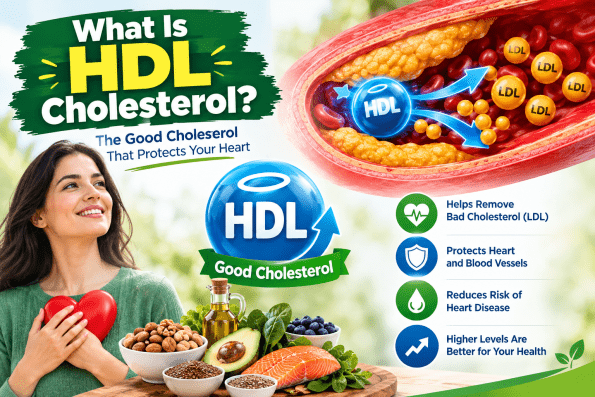
HDL stands for high-density lipoprotein. HDL helps transport cholesterol away from the bloodstream and tissues toward the liver, where it can be processed and removed from the body.
Because of this role, HDL is commonly known as “good cholesterol.”
However, HDL should not simply be viewed as something that becomes better and better as its number rises. The relationship between HDL and cardiovascular risk is complex, and simply increasing HDL does not necessarily reduce heart disease risk.
LDL vs HDL: What’s the Difference?
| Feature | LDL | HDL |
|---|---|---|
| Full name | Low-density lipoprotein | High-density lipoprotein |
| Common name | Bad cholesterol | Good cholesterol |
| Main role | Carries cholesterol to tissues | Helps transport cholesterol toward the liver |
| Main concern | High levels can promote plaque buildup | Lower levels are associated with higher cardiovascular risk |
| Management | Usually important to lower when elevated | Focus is overall cardiovascular health rather than simply raising HDL |
Simple Explanation
Think of LDL as a delivery vehicle that carries cholesterol around the body. If there is too much LDL circulating, cholesterol can contribute to plaque formation in artery walls.
HDL helps with cholesterol transport back toward the liver.
This is why doctors generally pay close attention to LDL when assessing cardiovascular risk.
Which Is More Important: LDL or HDL?
Both matter, but LDL is generally a major treatment target when cholesterol is elevated.
Your overall cardiovascular risk is not determined by one cholesterol number alone. Healthcare professionals may consider:
- LDL cholesterol
- HDL cholesterol
- Triglycerides
- Total cholesterol
- Blood pressure
- Diabetes status
- Smoking
- Age and other risk factors
- Personal and family history of cardiovascular disease
Therefore, looking at your complete lipid profile is more useful than focusing only on whether HDL is “good” or LDL is “bad.”
What Are Healthy Cholesterol Levels?
Cholesterol targets vary depending on a person’s overall health and cardiovascular risk.
A lipid panel commonly measures:
- Total cholesterol
- LDL cholesterol
- HDL cholesterol
- Triglycerides
There is no single LDL target that applies equally to everyone. People with established cardiovascular disease or certain high-risk conditions may have substantially lower LDL targets than people at lower risk.
For this reason, discuss your results with a healthcare professional rather than interpreting one number in isolation.
What Causes High LDL Cholesterol?
Several factors can contribute to elevated LDL, including:
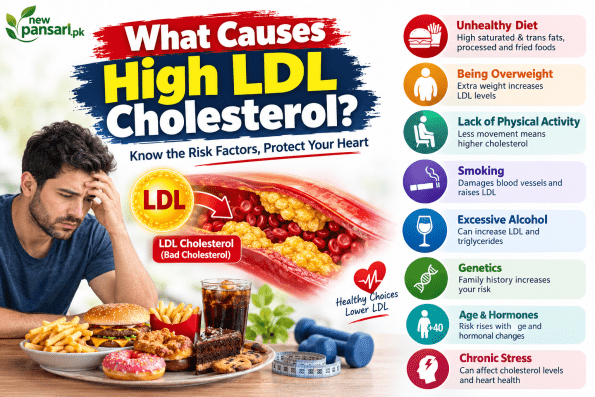
1. Diet
A diet high in saturated fats and trans fats can negatively affect cholesterol levels.
2. Lack of Physical Activity
Regular physical activity can support healthier cholesterol and cardiovascular profiles.
3. Excess Body Weight
Being overweight can be associated with unfavorable cholesterol and triglyceride levels.
4. Genetics
Some people inherit conditions that cause very high cholesterol, such as familial hypercholesterolemia.
5. Smoking
Smoking damages blood vessels and is associated with lower HDL and increased cardiovascular risk.
6. Certain Medical Conditions
Conditions such as diabetes, kidney disease and some thyroid disorders can affect lipid levels.
How Can You Lower LDL Cholesterol?
Lifestyle changes can be an important part of cholesterol management.
Eat More Fiber-Rich Foods
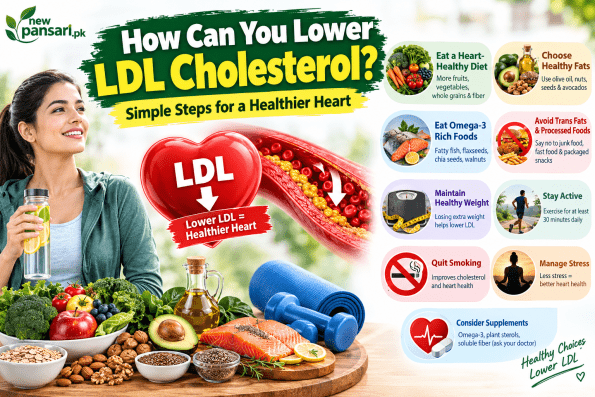
Foods containing soluble fiber can help support healthy LDL levels. Examples include:
- Oats
- Barley
- Beans
- Lentils
- Apples
- Citrus fruits
- Vegetables
Choose Healthier Fats
Replace foods high in saturated fats with sources of unsaturated fats such as:
- Nuts
- Seeds
- Olive oil
- Avocado
- Fatty fish
Exercise Regularly
Regular aerobic activity and resistance training can support cardiovascular health and help improve overall metabolic health.
Maintain a Healthy Weight
If you are overweight, gradual weight loss can improve several cardiovascular risk factors.
Avoid Smoking
Stopping smoking provides substantial cardiovascular benefits.
Limit Excess Alcohol
Heavy alcohol consumption can contribute to elevated triglycerides and other health problems.
Can You Increase HDL Naturally?
Healthy lifestyle habits may help maintain or improve HDL levels in some people.
Helpful habits include:
- Regular physical activity
- Maintaining a healthy weight
- Avoiding smoking
- Eating a balanced diet
- Choosing unsaturated fats instead of trans fats
However, raising HDL should not be the sole goal of cholesterol management. Lowering harmful LDL and reducing overall cardiovascular risk are generally more important.
Foods That May Support Healthy Cholesterol
A heart-conscious eating pattern can include:
Oats and barley: Rich in soluble fiber.
Beans and lentils: Provide fiber and plant-based protein.
Nuts and seeds: Provide unsaturated fats and other nutrients.
Fatty fish: Sources of omega-3 fatty acids.
Fruits and vegetables: Provide fiber and a wide range of micronutrients.
Whole grains: Can contribute fiber and support an overall healthy dietary pattern.
Herbs and Natural Approaches
Some foods and plant-based ingredients have been studied for their potential effects on cholesterol. However, natural does not automatically mean safe or effective, and herbal products should not replace prescribed cholesterol treatment.
If you are taking cholesterol-lowering medication, have cardiovascular disease, or use multiple medications, discuss supplements and concentrated herbal products with a healthcare professional before using them.
LDL vs HDL: Key Takeaway
The main difference between LDL and HDL cholesterol is their role in cholesterol transport.
LDL: High levels can contribute to cholesterol accumulation in artery walls and increase cardiovascular risk.
HDL: Helps transport cholesterol toward the liver and is associated with cardiovascular health, although simply increasing HDL is not necessarily a treatment goal.
The best approach is to look at your complete lipid profile and overall cardiovascular risk, rather than focusing on a single cholesterol number.
When Should You Get a Cholesterol Test?

Because high cholesterol usually does not cause noticeable symptoms, routine cholesterol testing can be important.
Your doctor may recommend testing based on your age, risk factors, family history, existing medical conditions, or previous cholesterol results.
If your cholesterol is elevated, your healthcare professional can determine whether lifestyle changes, medication, or both are appropriate.
Frequently Asked Questions
Is LDL cholesterol bad?
High levels of LDL cholesterol can contribute to plaque buildup in arteries and increase cardiovascular risk. LDL itself is not inherently harmful because cholesterol is necessary for normal body functions.
Is HDL cholesterol good?
HDL is commonly called good cholesterol because it participates in transporting cholesterol toward the liver. However, HDL levels should be interpreted as part of the overall cardiovascular picture.
Which cholesterol should I lower?
When cholesterol treatment is needed, LDL is often a primary target. The appropriate LDL goal depends on your individual cardiovascular risk.
Can diet lower LDL cholesterol?
Yes. A diet rich in soluble fiber and unsaturated fats and lower in saturated and trans fats can help improve LDL cholesterol.
Does exercise improve cholesterol?
Regular physical activity can improve overall cardiovascular health and may positively affect cholesterol and triglyceride levels.
Can high cholesterol cause symptoms?
High cholesterol generally does not produce noticeable symptoms. A blood test is typically needed to identify elevated cholesterol.