Growing children need a balanced diet that provides enough energy, protein, healthy fats, vitamins, and minerals. While breakfast, lunch, and dinner are important, healthy snacks can also contribute valuable nutrients throughout the day.
Choosing nutritious snacks for kids can help support normal growth, bone health, energy levels, and overall development. Instead of relying on highly processed foods, parents can offer simple combinations of fruits, dairy, whole grains, eggs, nuts, seeds, and other nutrient-rich foods.
In this guide, we explore 15 healthy snacks for kids that are easy to prepare and suitable for different stages of childhood.
Why Are Healthy Snacks Important for Kids?

Children have smaller stomachs than adults but are constantly using energy through playing, learning, and physical activity. Nutritious snacks can help bridge the gap between meals.
A healthy snack can provide important nutrients such as:
- Protein
- Calcium
- Iron
- Zinc
- Vitamin D
- Healthy fats
- Fiber
- Complex carbohydrates
- Vitamins and minerals
Snacks should complement regular meals rather than replace them. A good approach is to offer small portions and allow children to decide how much they want to eat.
What Makes a Healthy Snack for Kids?
The best snacks for children are generally nutrient-dense rather than simply high in calories or sugar.
Try combining two or more food groups. For example, fruit with yogurt provides carbohydrates, protein, and calcium, while whole-grain toast with peanut butter provides carbohydrates, protein, and healthy fats.
When selecting snacks, consider:
- Protein for growth and tissue maintenance
- Calcium and vitamin D for normal bone development
- Iron for healthy blood and normal energy metabolism
- Healthy fats for energy and development
- Fiber for digestive health
- Fruits and vegetables for vitamins, minerals, and antioxidants
15 Healthy Snacks for Kids
1. Banana with Peanut Butter
Bananas are an easy, naturally sweet snack that provides carbohydrates and potassium. Adding a small amount of peanut butter provides protein and healthy fats.
Slice a banana and serve it with peanut butter, or spread peanut butter on banana slices for a simple snack.
Important: Avoid whole nuts and chunky nut butter for young children who are not developmentally ready for them because of choking risk.
2. Yogurt with Fresh Fruit
Plain yogurt combined with strawberries, bananas, blueberries, apples, or other fruit makes a nutritious snack.
Yogurt can provide protein and calcium, while fruit contributes carbohydrates, fiber, and various micronutrients.
Choose plain or low-added-sugar yogurt when possible.
3. Boiled Eggs

Eggs are a convenient source of high-quality protein and several important nutrients.
A boiled egg can be served with whole-grain toast or sliced vegetables for a more complete snack.
For younger children, cut the egg into appropriately small pieces and supervise eating.
4. Dates with Ground Nuts
Dates provide natural sweetness and carbohydrates, while finely ground nuts can add protein and healthy fats.
For children old enough to safely consume them, a small serving of dates with nut butter or finely chopped/ground nuts can be a satisfying snack.
Because dates and nuts are energy-dense, portion size matters.
5. Apple Slices with Nut Butter
Apple slices paired with peanut or other nut butter provide a combination of fruit, carbohydrates, protein, and fat.
This is particularly useful when children need a more filling snack between meals.
Choose unsweetened nut butter when available.

6. Homemade Fruit Smoothie
A homemade smoothie can combine milk or yogurt with fruits such as banana, mango, berries, or strawberries.
For extra nutrition, parents can add oats or nut butter where appropriate.
Avoid turning smoothies into sugary drinks by adding excessive honey, sugar, or sweetened syrups.
7. Oatmeal
Oatmeal is not only a breakfast food. A small bowl of oatmeal can also work as an afternoon snack.
Top it with banana, apple, berries, dates, or a small amount of nut butter.
Oats provide carbohydrates and fiber, making them a useful addition to a balanced children’s diet.
8. Cheese with Whole-Grain Crackers
Cheese can provide protein and calcium, while whole-grain crackers can provide carbohydrates and fiber.
Choose crackers with relatively low added sugar and sodium when possible.
This combination is particularly convenient for school snacks or afternoon eating.
9. Roasted Chickpeas
Chickpeas are a source of plant protein, carbohydrates, fiber, and minerals.
For older children who can safely eat them, lightly roasted chickpeas can be served as a crunchy alternative to highly processed snack foods.
For younger children, use a softer preparation and appropriate portion size to reduce choking risk.
10. Avocado Toast
Mashed avocado spread over whole-grain toast provides carbohydrates and healthy unsaturated fats.
You can add a boiled egg for extra protein or serve avocado toast with fruit on the side.
Keep the preparation simple and avoid excessive salt.
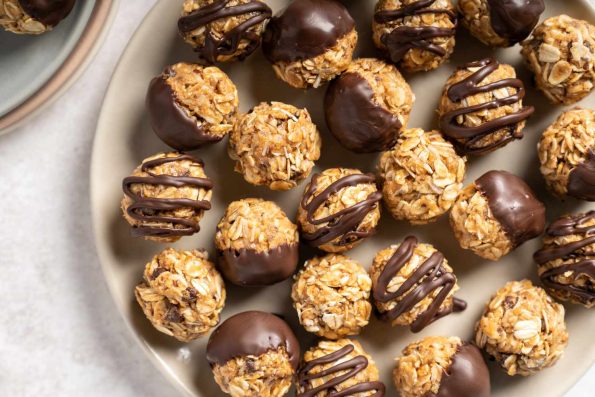
11. Homemade Energy Bites
Parents can prepare simple energy bites using ingredients such as oats, dates, nut butter, and finely ground seeds.
These can be useful when children need a portable snack.
However, energy bites can be calorie-dense, so small portions are generally enough.
12. Milk with Dates
Milk provides protein and calcium, while dates provide carbohydrates and natural sweetness.
This can be a simple snack for children who tolerate dairy.
Parents should remember that milk should complement—not replace—a varied diet containing fruits, vegetables, grains, and protein foods.
13. Fresh Seasonal Fruit
Fruit is one of the simplest healthy snacks for children.
Try offering different options throughout the week:
- Apples
- Bananas
- Oranges
- Guava
- Pears
- Mangoes
- Melons
- Berries
- Peaches
Offering a variety of fruits helps children experience different flavors and textures.
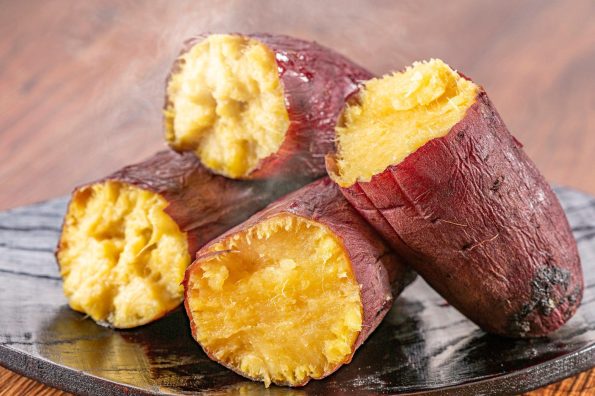
14. Sweet Potato
Sweet potato can be boiled, baked, or roasted and served as a simple snack.
It provides carbohydrates, fiber, and nutrients including beta-carotene.
Avoid adding excessive sugar. A naturally prepared sweet potato can be nutritious and satisfying on its own.
15. Hummus with Vegetables
Hummus made from chickpeas and tahini can be paired with suitable vegetables such as cucumber, carrot, or soft bell pepper strips.
This gives children an opportunity to eat vegetables alongside a protein-containing food.
For very young children, prepare vegetables in a texture and shape appropriate for their developmental stage.
Protein-Rich Snacks for Growing Kids
Protein is important for normal growth and the maintenance of body tissues. Good snack choices can include:
- Eggs
- Yogurt
- Milk
- Cheese
- Chickpeas
- Hummus
- Peanut butter
- Other nut or seed butters
- Beans
Children do not need enormous amounts of protein. The goal is to provide an age-appropriate balanced diet throughout the day.
Calcium-Rich Snacks for Children

Calcium is particularly important for developing bones and teeth.
Snack ideas that can contribute calcium include:
- Yogurt with fruit
- Cheese with whole-grain crackers
- Milk with fruit
- Smoothies made with milk or yogurt
- Calcium-fortified foods where appropriate
Vitamin D also plays an important role in calcium absorption and bone health.
Healthy Snacks for Underweight Children
If a child is underweight, simply giving more sweets, fried foods, or sugary drinks is not the best approach.
Instead, parents can choose nutrient-dense foods such as:
- Banana with nut butter
- Full-fat plain yogurt with fruit
- Egg with whole-grain toast
- Avocado toast
- Oatmeal with milk and fruit
- Homemade smoothies
- Cheese with whole-grain crackers
If a child is consistently losing weight, has poor growth, has very little appetite, or appears unwell, parents should discuss the situation with a pediatrician or qualified healthcare professional.
Best Snacks Before and After Physical Activity

Children who participate in sports or active play may benefit from a snack containing carbohydrates and, depending on the timing and activity, some protein.
Examples include:
Before activity:
- Banana
- Fruit and yogurt
- Whole-grain toast
- Oatmeal with fruit
After activity:
- Milk and banana
- Yogurt with fruit
- Egg and whole-grain toast
- Hummus with bread or suitable vegetables
The child’s age, activity level, appetite, and meal schedule should guide portion sizes.
Snacks Parents Should Limit
Children can enjoy treats occasionally, but highly processed snacks should not become the main source of their daily nutrition.
Try to limit frequent consumption of:
- Sugary drinks
- Candy
- Cakes and pastries
- Highly sweetened cereals
- Excessively salty packaged snacks
- Deep-fried snacks
- Foods with large amounts of added sugar
The goal is not to completely eliminate treats. Instead, build everyday eating habits around nutritious foods.
How to Build a Balanced Snack

A simple formula is:
Fruit or vegetable + protein or healthy fat
Examples:
- Banana + peanut butter
- Apple + cheese
- Fruit + yogurt
- Cucumber + hummus
- Whole-grain toast + egg
- Dates + nut butter
This approach makes it easier for parents to create varied snacks without complicated recipes.
Healthy Snacks and Children’s Growth
No single food can guarantee increased height or faster growth. A child’s growth is influenced by genetics, overall nutrition, sleep, physical activity, hormones, and general health.
However, consistently providing a varied and nutritious diet can help children obtain the nutrients they need for normal growth and development.
Parents should focus on the overall eating pattern rather than looking for one “miracle” food.
Conclusion
Healthy snacks for kids can be simple, affordable, and nutritious. Fruits, yogurt, eggs, milk, oats, chickpeas, whole grains, vegetables, avocado, and appropriately prepared nuts and nut butters can all be incorporated into a child’s eating routine.
The most important principle is variety. Instead of serving the same snack every day, rotate different foods and combinations so children receive a broad range of nutrients.
For personalized advice about a child’s growth, weight, appetite, or nutritional needs, consult a pediatrician or registered dietitian.
New Pansari provides a range of natural herbs, spices, seeds, and traditional food products. When choosing any food or herbal product for a child, parents should consider the child’s age, allergies, medical needs, and appropriate serving size.