Homemade protein bars are a convenient way to add protein, fiber, healthy fats, and energy to your daily diet. Unlike many packaged protein bars, homemade versions allow you to control the ingredients, sweetness, portion size, and overall nutrition. With simple ingredients such as oats, nuts, seeds, peanut butter, dates, and protein powder, you can prepare nutritious protein bars at home without complicated equipment.
Whether your goal is weight management, supporting muscle recovery after exercise, or having a convenient snack during a busy day, homemade protein bars can be a useful addition to a balanced diet.
What Are Homemade Protein Bars?
Homemade protein bars are snack bars prepared using protein-rich ingredients and other nutritious foods. Common ingredients include oats, nuts, seeds, peanut or almond butter, dates, milk, honey, and protein powder.
The main advantage of making protein bars at home is flexibility. You can adjust the recipe according to your nutritional goals. For example, someone looking for a higher-protein snack can add more protein powder, while someone wanting more fiber can include oats, chia seeds, or ground flaxseed.
Benefits of Homemade Protein Bars
1. Convenient Source of Protein
Protein is an important macronutrient needed for maintaining muscles and supporting many functions in the body. A homemade protein bar can provide a convenient source of protein between meals or after exercise.
The amount of protein depends on the ingredients used. Adding protein powder, nuts, seeds, or nut butter can increase the protein content of your homemade bars.
2. May Support Muscle Recovery
After resistance training or other physical activity, consuming adequate protein as part of an overall balanced diet can help support muscle repair and recovery.
A protein bar containing protein powder, peanut butter, oats, and seeds can be a practical post-workout snack, particularly when a full meal is not immediately available.
3. Useful for Weight Management
Homemade protein bars can fit into a weight-management diet when portions and total calorie intake are considered.
Protein and fiber can contribute to fullness, which may make it easier to manage hunger between meals. However, protein bars are not automatically a weight-loss food. Ingredients such as dates, honey, peanut butter, nuts, and chocolate can add significant calories, so portion size matters.
4. Provides Convenient Energy
Oats, dates, nuts, and seeds provide carbohydrates and fats that can contribute energy. This makes homemade protein bars useful before physical activity, during a busy workday, or as a convenient snack.
For exercise, the ideal timing and composition of a snack depend on the activity, duration, and individual dietary needs.
5. Control Over Ingredients
One of the biggest benefits of homemade protein bars is ingredient control. You can choose the type and quantity of sweeteners, nuts, seeds, protein powder, and other ingredients.
You can also avoid ingredients you do not want and create a recipe that suits your personal preferences.
Easy Homemade Protein Bar Recipe
Ingredients

For approximately 8–10 bars, you can use:
- 1½ cups rolled oats
- ½ cup peanut butter or almond butter
- ½ cup soft dates, pitted
- ¼ cup honey, optional
- ½ cup milk or unsweetened plant-based milk
- ½ cup protein powder
- 2 tablespoons chia seeds
- 2 tablespoons ground flaxseed
- ¼ cup chopped almonds or walnuts
- 1 teaspoon cinnamon
- A small pinch of salt
Optional additions include unsweetened coconut, pumpkin seeds, cocoa powder, or a small amount of dark chocolate.
How to Make Protein Bars at Home
Step 1: Prepare the Dates
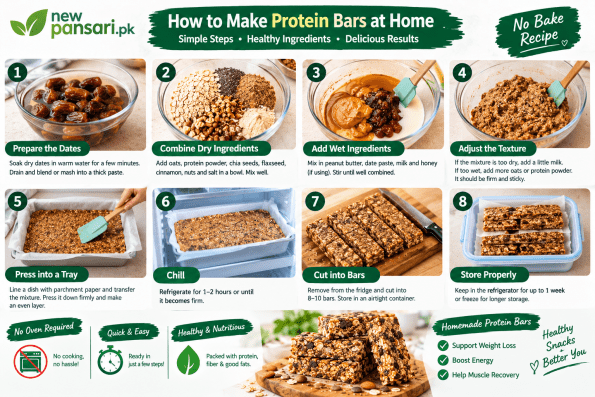
If the dates are dry or firm, soak them in warm water for several minutes. Drain them well before using.
Blend or mash the dates until they form a thick paste.
Step 2: Combine the Dry Ingredients
Add rolled oats, protein powder, chia seeds, ground flaxseed, cinnamon, chopped nuts, and salt to a large bowl.
Mix everything evenly.
Step 3: Add the Wet Ingredients
Add peanut butter, date paste, milk, and honey if you are using it.
Mix thoroughly until the ingredients form a thick, sticky mixture.
Step 4: Adjust the Texture
If the mixture is too dry, add a small amount of milk.
If it is too wet, add a little more oats or protein powder.
The mixture should be firm enough to press into a tray.
Step 5: Press Into a Tray
Line a small baking dish or container with parchment paper.
Transfer the mixture into the container and press it down firmly using the back of a spoon or spatula.
Make the layer relatively even.
Step 6: Chill
Place the tray in the refrigerator for approximately 1–2 hours, or until the mixture becomes firm.
Step 7: Cut Into Bars
Remove the chilled mixture and cut it into 8–10 individual bars.
Store the finished bars in an airtight container in the refrigerator.
No-Bake Protein Bars
One of the easiest ways to prepare homemade protein bars is with a no-bake recipe.
No-bake protein bars do not require an oven. The ingredients are simply mixed, pressed into a container, chilled, and cut into portions.
This makes them especially convenient for people who want a quick homemade snack without complicated cooking.
Homemade Protein Bars for Weight Loss
If your goal is weight loss, focus on the overall nutritional composition rather than simply choosing foods labeled “high protein.”
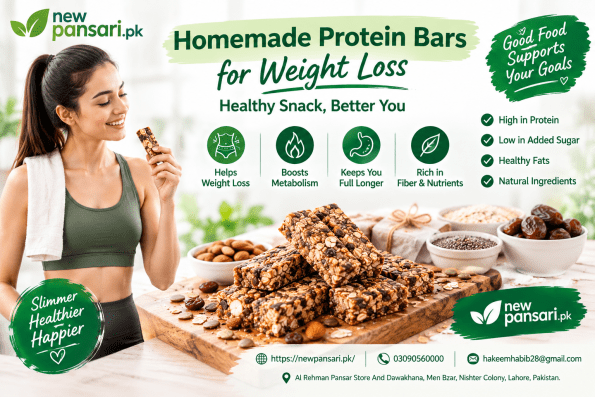
A useful weight-management protein bar can contain:
- A good source of protein
- Fiber-rich ingredients
- Limited added sugar
- Healthy fats in reasonable portions
- Appropriate calories for your daily needs
Avoid assuming that homemade automatically means low-calorie. Peanut butter, nuts, dates, honey, and chocolate can make bars calorie-dense.
For better portion control, cut the mixture into smaller bars and consider the ingredients as part of your total daily calorie intake.
Homemade Protein Bars for Energy
Protein bars can provide a combination of carbohydrates, protein, and fats.
Oats and dates provide carbohydrates, while nuts, seeds, and nut butter contribute fats and some protein. Protein powder can further increase the protein content.
For a pre-workout snack, some people may prefer a bar containing more easily digested carbohydrates and less fat and fiber, particularly when eating shortly before exercise.
Homemade Protein Bars for Muscle Recovery

Protein intake is important for people who regularly participate in resistance training and other forms of exercise.
A homemade protein bar can be paired with a balanced diet to help meet daily protein requirements.
For a post-workout snack, you can combine protein powder with oats, milk, nuts, or seeds. If your workout was particularly demanding, adding a source of carbohydrates can also help replenish energy stores.
Remember that muscle recovery depends on more than protein alone. Adequate total food intake, carbohydrates, hydration, sleep, and a well-designed exercise program all contribute.
Best Ingredients for Homemade Protein Bars
Oats
Rolled oats provide carbohydrates and fiber and help create a firm bar texture.
Peanut Butter
Peanut butter adds flavor, healthy fats, and some protein. Choose a product with a simple ingredient list when possible.
Dates
Dates provide natural sweetness and carbohydrates. They also help bind the ingredients together.
Chia Seeds
Chia seeds provide fiber, fats, and some protein and can improve the texture of homemade bars.
Flaxseed
Ground flaxseed is an easy way to add fiber and plant-based fats.
Nuts
Almonds and walnuts add crunch, fats, protein, and micronutrients.
Protein Powder
Protein powder can substantially increase the protein content of the recipe. Whey, milk-based, soy, pea, or other protein powders can be used depending on dietary preferences and tolerance.
How to Store Homemade Protein Bars

Because homemade protein bars generally contain ingredients such as milk, nut butter, or dates and do not contain commercial preservatives, proper storage is important.
Keep the bars in an airtight container in the refrigerator.
For longer storage, you can freeze individual portions in suitable freezer-safe packaging and thaw them when needed.
Check the ingredients and use your judgment regarding freshness, especially if your recipe contains fresh dairy or other perishable ingredients.
How Many Protein Bars Should You Eat?
There is no universal number that everyone should eat.
One bar can be used as a snack depending on its size, protein content, calories, and the rest of your diet.
If your homemade bars are large and calorie-dense, a smaller portion may be appropriate. If they are smaller and designed as a light snack, one full bar may fit comfortably into your daily diet.
The goal should be to use protein bars as part of a balanced eating pattern rather than replacing nutritious whole-food meals unnecessarily.
Are Homemade Protein Bars Healthy?
Homemade protein bars can be a healthy snack when made with nutritious ingredients and eaten in appropriate portions.
However, “healthy” does not mean unlimited. A bar made with large amounts of peanut butter, dates, honey, nuts, and chocolate can contain substantial calories.
The nutritional quality of your bar depends on the recipe.
For a balanced option, prioritize protein, fiber-rich ingredients, nuts or seeds, and moderate amounts of sweeteners.
Common Mistakes When Making Protein Bars
Using Too Much Sweetener
Honey, dates, maple syrup, and other sweeteners can increase the sugar and calorie content.
Making the Mixture Too Dry
Too much protein powder or oats can make the bars crumbly. Add a small amount of milk or nut butter to improve the consistency.
Making the Bars Too Soft
Too much liquid can prevent the bars from setting properly. Chill them thoroughly and adjust the dry ingredients if necessary.
Ignoring Portion Size
Large homemade bars can contain more calories than expected. Cutting the mixture into consistent portions makes nutritional tracking easier.
Who Can Eat Homemade Protein Bars?
Homemade protein bars can be suitable for many healthy adults as part of a balanced diet.
They may be particularly useful for:
- People who exercise regularly
- Busy professionals
- Students
- People looking for convenient snacks
- Individuals trying to increase dietary protein
People with food allergies, digestive conditions, kidney disease, or other medical concerns should consider their individual dietary requirements and speak with a qualified healthcare professional when necessary.
Frequently Asked Questions
Are homemade protein bars good for weight loss?
They can fit into a weight-loss diet when total calorie intake is appropriate. Protein and fiber may help with fullness, but the bar itself does not cause weight loss.
Can I make protein bars without protein powder?
Yes. You can use ingredients such as peanut butter, nuts, seeds, oats, and milk to provide protein. However, the total protein content may be lower than a recipe containing protein powder.
Can I make protein bars without an oven?
Yes. No-bake protein bars can be prepared by mixing the ingredients, pressing them into a container, refrigerating them, and cutting them into portions.
What is the best time to eat a protein bar?
A protein bar can be eaten as a snack, before or after exercise, or when a convenient protein-containing food is needed. Timing should be based on your overall diet and activity schedule.
How long do homemade protein bars last?
Storage life depends on the ingredients and preparation method. Refrigeration is generally recommended for homemade bars, particularly when they contain perishable ingredients.
Can children eat homemade protein bars?
Children have different nutritional requirements from adults. A simple homemade snack can be appropriate for some children, but protein supplements are not automatically necessary. Parents should consider the child’s overall diet and age-appropriate nutritional needs.
Final Thoughts
Homemade protein bars are a simple and customizable snack that can provide protein, carbohydrates, fats, and fiber. With ingredients such as oats, peanut butter, dates, nuts, seeds, and protein powder, you can make convenient bars at home without an oven.
They can support an active lifestyle, provide convenient energy, and help you include more protein in your diet. For weight management, remember that portion size and total calorie intake are important. For muscle recovery, protein should be combined with adequate nutrition, hydration, rest, and appropriate exercise.
The best homemade protein bar is not necessarily the one with the most ingredients or the highest protein content—it is one that fits your nutritional needs, tastes good, and can be incorporated consistently into a balanced diet.