High blood pressure, also known as hypertension, is one of the most common health conditions affecting adults around the world. It is sometimes called a “silent condition” because many people can have high blood pressure without experiencing noticeable symptoms.
The problem is that uncontrolled blood pressure can gradually damage the heart, blood vessels, brain, kidneys, and eyes. Over time, it can increase the risk of serious cardiovascular complications, including heart attack and stroke.
The good news is that blood pressure can often be controlled with regular monitoring, a healthy lifestyle, appropriate medical treatment, and consistent daily habits.
Control your blood pressure before it controls you.
What Is Blood Pressure?

Blood pressure is the force that circulating blood applies against the walls of your arteries.
A blood pressure reading contains two numbers:
- Systolic blood pressure: The upper number, representing pressure when the heart contracts.
- Diastolic blood pressure: The lower number, representing pressure when the heart relaxes between beats.
Blood pressure is measured in millimeters of mercury (mmHg).
According to the World Health Organization, hypertension in adults is generally defined as blood pressure of 140/90 mmHg or higher when measured on two different days. Different medical organizations may use different categories and treatment thresholds, so your individual readings should be discussed with a healthcare professional.
Why Is High Blood Pressure Dangerous?
High blood pressure may not cause obvious symptoms, but continuously elevated pressure places additional stress on blood vessels and organs.
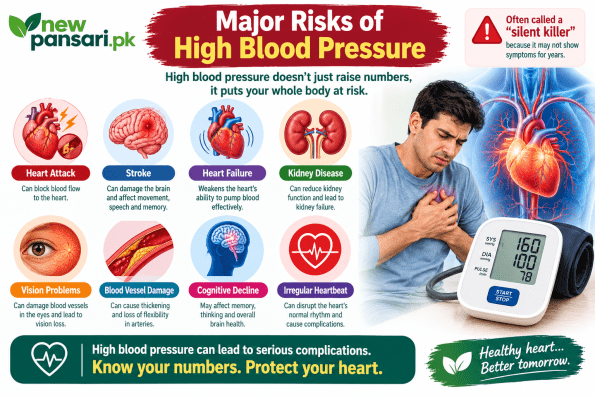
Over many years, uncontrolled hypertension can contribute to:
- Heart disease
- Heart attack
- Stroke
- Heart failure
- Kidney disease
- Vision problems
- Damage to blood vessels
- Cognitive and neurological complications
This is why checking your blood pressure regularly is important even if you feel perfectly healthy.
Common Symptoms of High Blood Pressure
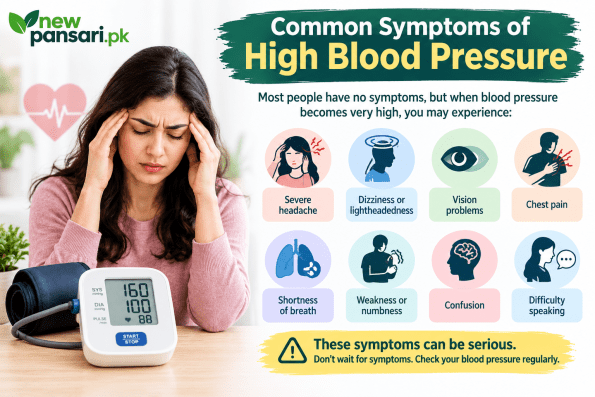
Most people with hypertension do not have clear symptoms.
When blood pressure becomes extremely high, however, some people may experience:
- Severe headache
- Shortness of breath
- Chest pain
- Vision problems
- Weakness or numbness
- Confusion
- Difficulty speaking
These symptoms should not be ignored.
A person should not wait for symptoms before checking their blood pressure because hypertension can remain unnoticed for years.
Major Causes and Risk Factors of High Blood Pressure
Hypertension can develop because of a combination of genetic, lifestyle, environmental, and medical factors.
1. High-Salt Diet
Eating too much sodium can increase blood pressure in many people.
Common sources of excess sodium include:
- Processed foods
- Salty snacks
- Fast food
- Instant noodles
- Pickles
- Processed meats
- Commercial sauces
- Excessive table salt
Reducing salt intake is one of the important dietary strategies for supporting healthy blood pressure.
2. Lack of Physical Activity
A sedentary lifestyle can increase the risk of high blood pressure, weight gain, and cardiovascular disease.
Regular physical activity helps support cardiovascular fitness and overall health.
Walking is a simple starting point for many adults.
3. Being Overweight
Excess body weight can increase the workload on the cardiovascular system and is associated with a higher risk of hypertension.
If you are overweight, gradual weight loss through healthy eating and physical activity may help improve blood pressure.
4. Smoking and Tobacco
Smoking damages blood vessels and increases cardiovascular risk.
Stopping smoking is an important step toward protecting your heart and blood vessels.
5. Excessive Alcohol
Regularly consuming excessive amounts of alcohol can contribute to high blood pressure and other health problems.
Reducing alcohol intake can support better cardiovascular health.
6. Chronic Stress
Stress is a normal part of life, but prolonged stress can make it harder to maintain healthy habits.
Stress may also encourage behaviors such as overeating, smoking, poor sleep, or physical inactivity.
7. Age and Family History
The risk of hypertension generally increases with age. Having close family members with high blood pressure can also increase your risk.
Certain medical conditions, including diabetes and kidney disease, may also increase the likelihood of hypertension.
How to Control Your Blood Pressure Naturally
Lifestyle changes are an important part of blood-pressure management. However, people who have been prescribed medication should not stop their treatment without consulting their doctor.
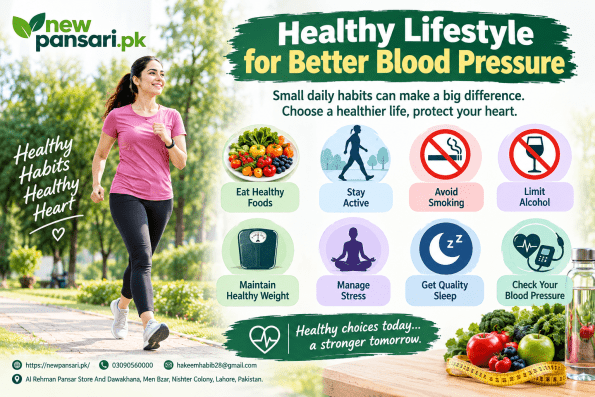
1. Reduce Salt Intake
One of the easiest dietary changes is to reduce unnecessary salt.
Instead of adding large amounts of salt to meals, use herbs and spices for flavor.
Check food labels and reduce highly processed foods whenever possible.
The WHO recommends that adults consume less than 5 grams of salt per day.
2. Eat More Vegetables and Fruits
A healthy diet should contain plenty of vegetables and fruits.
Try including foods such as:
- Leafy green vegetables
- Tomatoes
- Carrots
- Apples
- Oranges
- Berries
- Beans
- Other whole plant foods
A balanced diet provides fiber, vitamins, minerals, and other nutrients important for overall health.
3. Exercise Regularly
Regular exercise can help improve cardiovascular fitness and support healthy blood pressure.
A practical goal for many adults is at least 150 minutes of moderate-intensity physical activity per week, provided their health allows it.
Examples include:
- Brisk walking
- Cycling
- Swimming
- Dancing
- Light jogging
If you have been inactive for a long time or have a medical condition, start gradually and ask a healthcare professional what level of exercise is appropriate.
4. Maintain a Healthy Weight
Maintaining a healthy weight can reduce cardiovascular strain.
Rather than using extreme diets, focus on sustainable habits:
- Smaller portions
- More vegetables
- Fewer highly processed foods
- Regular physical activity
- Adequate sleep
- Consistent meal patterns
5. Quit Smoking
Smoking is harmful to the cardiovascular system.
If you smoke, quitting can significantly benefit your overall health and reduce cardiovascular risk.
Professional support can make quitting easier for many people.
6. Manage Stress
Finding healthy ways to manage stress can support your overall well-being.
Consider:
- Deep breathing exercises
- Walking
- Meditation
- Reading
- Spending time with family
- Relaxation exercises
- Regular sleep
- Taking breaks from screens and work
Stress management should be considered part of a broader healthy lifestyle rather than a replacement for medical treatment.
7. Get Enough Quality Sleep
Poor sleep and irregular sleep patterns can negatively affect overall health.
Try to maintain a consistent sleep schedule and create a relaxing bedtime routine.
If you regularly snore heavily, stop breathing during sleep, or remain extremely tired during the day, discuss these symptoms with a healthcare professional.
How to Monitor Blood Pressure at Home
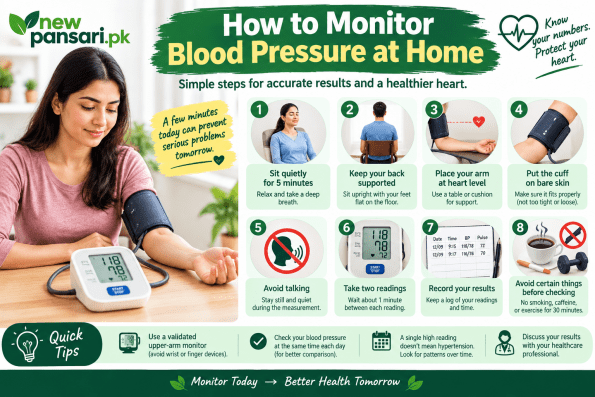
Home blood-pressure monitoring can help you understand your readings over time.
For many people, an automatic upper-arm blood-pressure monitor is preferable to wrist or finger devices.
For a more reliable measurement:
- Sit quietly for about five minutes.
- Keep your back supported.
- Place both feet flat on the floor.
- Keep your arm supported at heart level.
- Put the cuff on bare skin.
- Avoid talking during the measurement.
- Take two readings approximately one minute apart.
- Record the readings and the time.
Avoid checking your blood pressure immediately after exercise, smoking, or consuming caffeine.
A single elevated reading does not necessarily mean you have hypertension. Your healthcare professional can interpret repeated readings in the context of your overall health.
Blood Pressure Diet: What Should You Eat?

A heart-friendly diet can make a significant contribution to blood-pressure management.
Focus on:
Eat More
- Fresh vegetables
- Fruits
- Whole grains
- Beans and legumes
- Nuts and seeds in appropriate portions
- Lean protein
- Fish
- Low-fat dairy where appropriate
Limit
- Excess salt
- Highly processed foods
- Sugary drinks
- Excess saturated fat
- Fast food
- Highly salty snacks
A balanced eating pattern is more useful than focusing on one “miracle” food.
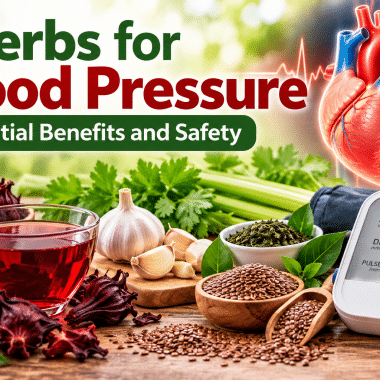
Can Herbs Help With Blood Pressure?
Many herbs and natural ingredients have been traditionally used for cardiovascular wellness, and some have been studied scientifically.
However, “natural” does not automatically mean safe or effective for treating hypertension.
Some herbal products may interact with blood-pressure medicines or cause blood pressure to become too low. Therefore, people taking antihypertensive medication should consult a qualified healthcare professional before regularly using herbal supplements for blood pressure.
Herbs should not be promoted as a substitute for prescribed hypertension treatment.
Medical Treatment for High Blood Pressure
Lifestyle changes are important, but some people require medication.
Depending on the person’s blood pressure, age, cardiovascular risk, kidney function, diabetes status, and other factors, a healthcare professional may prescribe medicines such as:
- ACE inhibitors
- Angiotensin receptor blockers (ARBs)
- Calcium-channel blockers
- Diuretics
- Other antihypertensive medicines
Treatment is individualized.
If you are already taking blood-pressure medication, do not stop taking it simply because your blood pressure has improved. The improvement may be the result of the medication working.
Always discuss changes with your healthcare professional.
When Is High Blood Pressure an Emergency?

A blood-pressure reading above 180/120 mmHg is considered severely elevated.
If you obtain a reading this high, sit quietly and repeat the measurement after at least one minute.
If it remains very high, seek prompt medical advice.
If severe blood pressure elevation occurs with symptoms such as:
- Chest pain
- Difficulty breathing
- Weakness or numbness
- Vision changes
- Severe headache
- Difficulty speaking
- Confusion
seek emergency medical care immediately.
Do not attempt to manage a possible hypertensive emergency at home with herbs or supplements.
Simple Daily Habits for Better Blood Pressure
Controlling blood pressure is not about making one major change for a few days. It is about building healthy habits that you can maintain.
A simple daily routine could include:
Morning
- Check blood pressure if your healthcare professional recommends it.
- Take prescribed medication as directed.
- Eat a balanced breakfast.
- Avoid excessive salt.
During the day
- Stay physically active.
- Drink adequate fluids according to your health needs.
- Eat vegetables and fruit.
- Avoid smoking.
- Choose less-processed foods.
Evening
- Take a walk if appropriate.
- Choose a balanced dinner.
- Avoid excessive salty foods.
- Relax before bedtime.
- Aim for consistent sleep.
Frequently Asked Questions
What is the main way to control high blood pressure?
Regular monitoring, a healthy diet, physical activity, maintaining a healthy weight, reducing sodium, avoiding tobacco, managing stress, and taking prescribed medication when required are key components of blood-pressure control.
Can high blood pressure be cured?
Some people can significantly improve their blood pressure through lifestyle changes, but hypertension is often a long-term condition that requires ongoing monitoring and treatment.
Can I have high blood pressure without symptoms?
Yes. Many people with hypertension have no obvious symptoms, which is why regular blood-pressure measurement is important.
Is walking good for blood pressure?
Regular moderate physical activity such as brisk walking can support cardiovascular health and help manage blood pressure.
Should I stop my blood-pressure medicine if I feel better?
No. Do not stop or change prescribed medication without consulting your healthcare professional.
How often should I check my blood pressure?
The appropriate frequency depends on your blood-pressure level and medical history. People with hypertension may be advised to monitor their readings at home according to a healthcare professional’s instructions.
Conclusion
High blood pressure does not always make you feel sick, but that does not mean it is harmless. Uncontrolled hypertension can gradually affect the cardiovascular system and increase the risk of serious complications.
The first step is simple: know your blood-pressure numbers.
Then take action through healthier food choices, lower salt intake, regular physical activity, healthy weight management, better sleep, stress management, tobacco avoidance, and appropriate medical care.
If you have been diagnosed with hypertension, work with your healthcare professional and follow your treatment plan consistently.
Your blood pressure is a number—but controlling that number can protect your future.