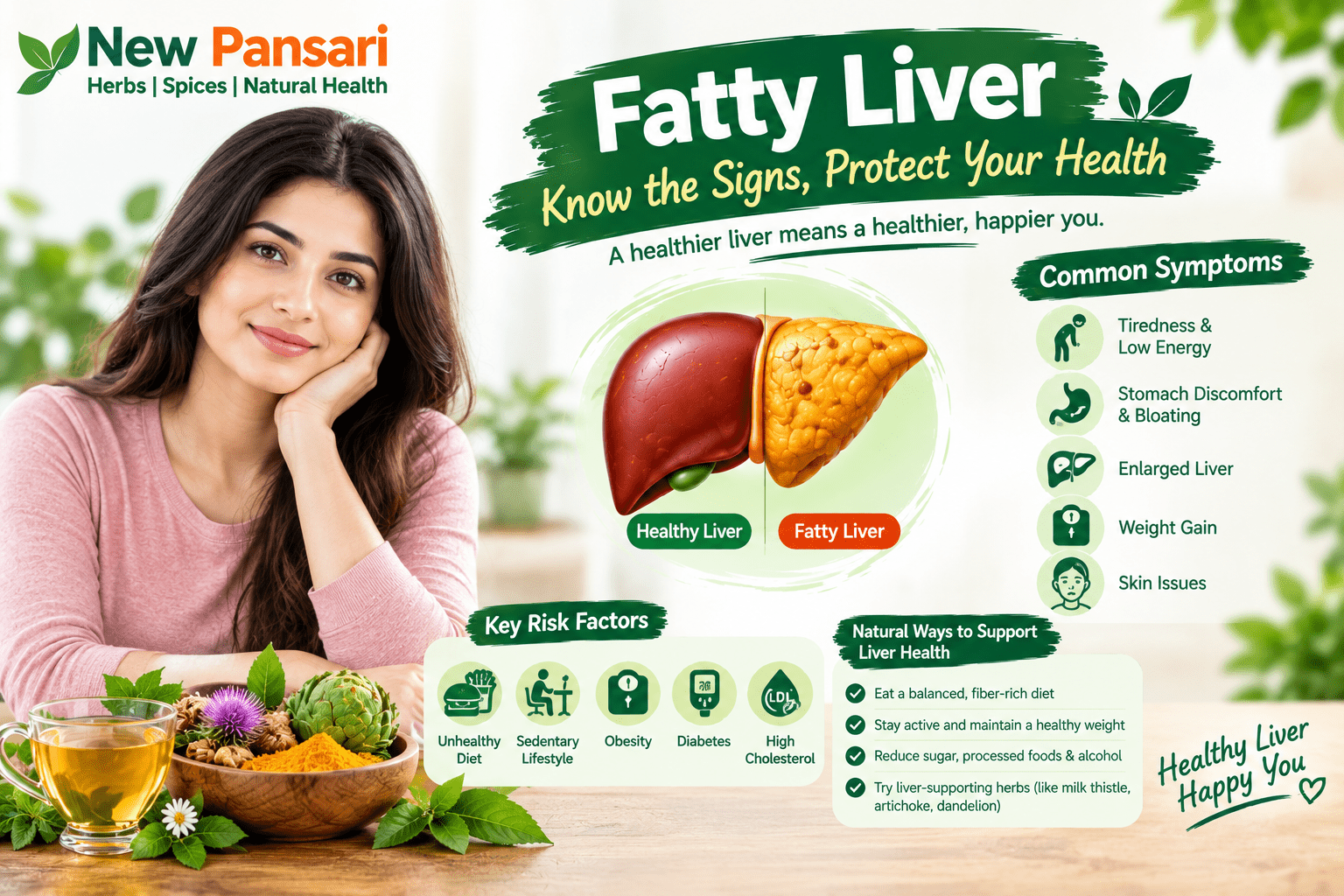
Fatty liver is a common liver condition in which excess fat accumulates inside liver cells. While a healthy liver naturally contains a small amount of fat, excessive accumulation can affect liver function and, in some people, lead to inflammation and liver damage.
The condition is increasingly associated with obesity, insulin resistance, type 2 diabetes, high cholesterol, and an inactive lifestyle. The good news is that fatty liver can often be improved through healthy lifestyle changes, particularly changes in diet, physical activity, weight management, and control of metabolic health.
This complete guide explains the causes, symptoms, stages, fatty liver diet, treatment options, herbs and natural support, and frequently asked questions.
What Is Fatty Liver?
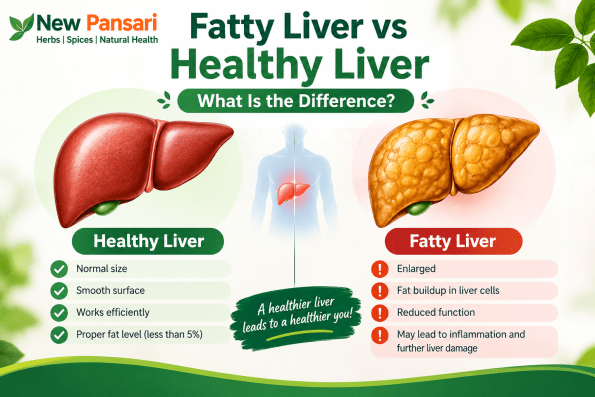
Fatty liver, also known as hepatic steatosis, occurs when excess fat builds up in the liver.
The two major categories are:
- Metabolic dysfunction-associated steatotic liver disease (MASLD): fatty liver associated with metabolic risk factors such as obesity, diabetes, insulin resistance, high blood pressure, and abnormal cholesterol or triglycerides.
- Alcohol-associated liver disease: fatty liver caused or contributed to by excessive alcohol consumption.
Fatty liver may be mild and cause no symptoms, but some people develop liver inflammation and scarring. This is why early identification and lifestyle management are important.
Causes of Fatty Liver
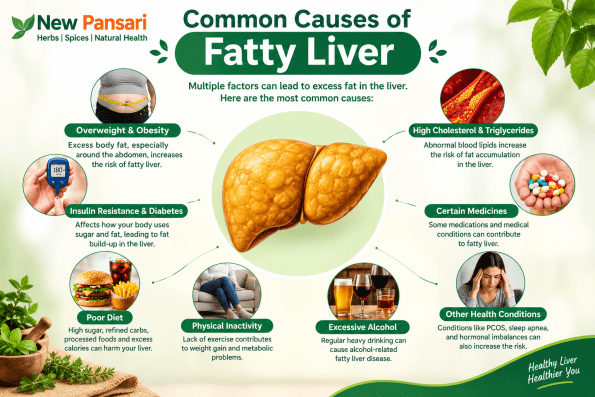
Fatty liver does not have just one cause. Several factors can contribute to excessive fat accumulation in the liver.
1. Overweight and Obesity
Excess body fat, particularly abdominal fat, is strongly associated with fatty liver. Excess fat and metabolic changes can increase the amount of fat delivered to the liver.
2. Insulin Resistance and Type 2 Diabetes
When the body becomes resistant to insulin, glucose and fat metabolism can be disrupted. This may encourage additional fat storage in the liver.
3. High Cholesterol and Triglycerides
Abnormally high blood lipids can increase the risk of fat accumulation in the liver.
4. Poor Diet
A diet high in added sugars, refined carbohydrates, sugary beverages, highly processed foods, and excess calories may increase the risk of fatty liver.
5. Physical Inactivity
A sedentary lifestyle can contribute to weight gain, insulin resistance, and metabolic problems associated with fatty liver.
6. Alcohol
Regular excessive alcohol consumption can cause alcohol-associated fatty liver disease and, over time, more serious liver injury.
7. Certain Medicines and Medical Conditions
Some medicines and medical conditions can contribute to fatty liver. Anyone concerned about medication-related liver problems should discuss this with a qualified healthcare professional rather than stopping prescribed medicine independently.
Symptoms of Fatty Liver
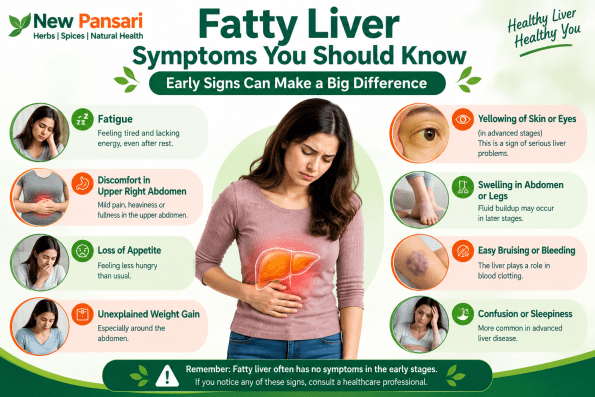
One of the challenges of fatty liver is that many people have no obvious symptoms, especially during the early stages.
When symptoms do occur, they may include:
- Fatigue
- Low energy
- General weakness
- Discomfort in the upper-right abdomen
- A feeling of fullness or heaviness
- Abnormal liver enzyme results on blood tests
More advanced liver disease can cause symptoms such as:
- Yellowing of the skin or eyes
- Swelling in the abdomen or legs
- Easy bruising or bleeding
- Confusion or unusual sleepiness
- Significant weakness
These symptoms can have many causes. Persistent or severe symptoms require medical evaluation.
Stages of Fatty Liver Disease
It can range from simple fat accumulation to advanced liver disease.
Stage 1: Simple Steatosis
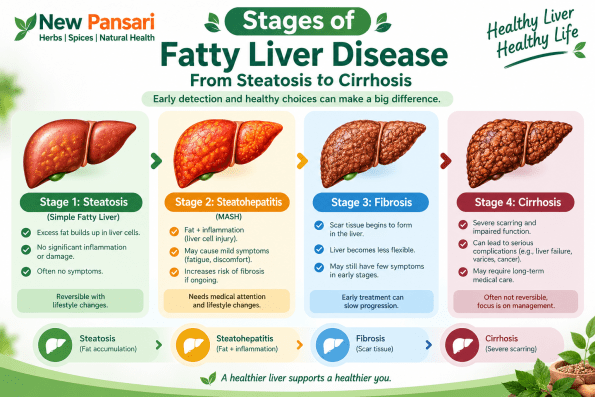
This is the earliest stage, where excess fat accumulates in liver cells without significant inflammation or permanent damage.
Many people have no symptoms at this stage.
Stage 2: Steatohepatitis
Some people develop inflammation and liver-cell injury in addition to fat accumulation. In metabolic disease, this may be called metabolic dysfunction-associated steatohepatitis (MASH).
This stage deserves medical attention because ongoing inflammation can lead to liver scarring.
Stage 3: Fibrosis
Persistent inflammation can cause scar tissue to develop in the liver. This is known as fibrosis.
Fibrosis can range from mild to advanced.
Stage 4: Cirrhosis
Advanced fibrosis can progress to cirrhosis, in which the liver becomes significantly scarred and its normal structure and function are impaired.
Cirrhosis can lead to serious complications and requires ongoing medical care.
Important: Fatty liver does not automatically progress to cirrhosis. Risk varies considerably between individuals.
Best Diet for Fatty Liver
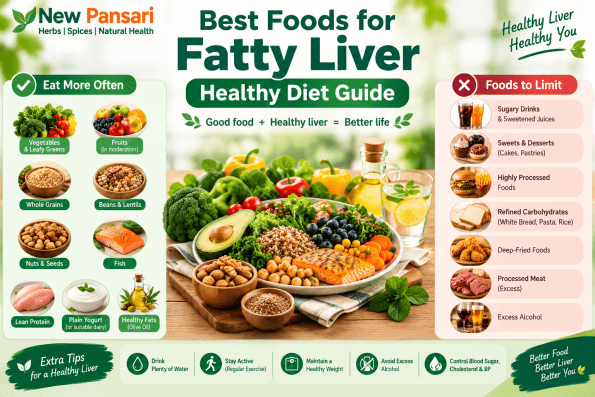
There is no single food that cures fatty liver. Instead, the overall eating pattern matters.
A balanced diet emphasizing whole foods can support metabolic and liver health.
Foods to Eat More Often
Consider including:
- Vegetables
- Leafy greens
- Whole fruits in appropriate portions
- Whole grains
- Beans and lentils
- Nuts and seeds
- Fish
- Lean sources of protein
- Plain yogurt or other suitable dairy products
- Healthy unsaturated fats such as olive oil
Foods to Limit
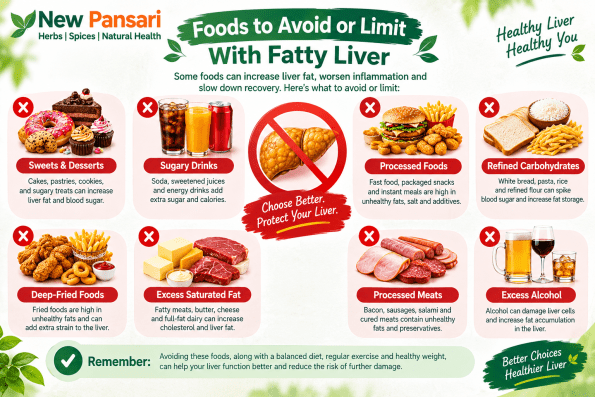
Try to reduce:
- Sugary soft drinks
- Sweetened juices
- Excess sweets and desserts
- Cakes and pastries
- Highly processed foods
- Refined carbohydrates
- Deep-fried foods
- Excess saturated fat
- Large portions of processed meat
- Excess alcohol
What About Sugar?
Excess added sugar, particularly from sugar-sweetened beverages, can contribute to excess calorie intake and metabolic problems.
Replacing sugary drinks with water or unsweetened beverages is a practical step.
What About Weight Loss?
For people who are overweight or obese, gradual weight loss can reduce liver fat and may improve inflammation and fibrosis.
However, crash diets and extreme fasting are generally not the goal. A sustainable eating pattern is more useful for long-term liver health.
Exercise for Fatty Liver

Physical activity can help improve metabolic health and reduce liver fat, even when significant weight loss does not occur.
A practical exercise routine may include:
- Brisk walking
- Cycling
- Swimming
- Strength training
- Bodyweight exercises
- Other enjoyable aerobic activities
Aim for regular physical activity throughout the week and reduce prolonged sitting where possible.
People with existing medical conditions should choose an exercise program appropriate for their health status.
Herbs and Natural Support for Fatty Liver
Many herbs are traditionally used for liver health, but herbs should not be considered a replacement for medical treatment or lifestyle changes.
Milk Thistle
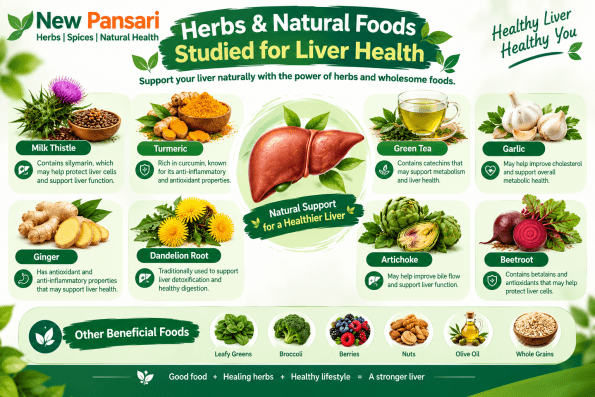
Milk thistle contains a compound called silymarin and is widely studied for liver health. Research has investigated its potential antioxidant and liver-supporting properties, although evidence for treating fatty liver remains mixed.
Turmeric
Turmeric contains curcumin, a compound studied for its anti-inflammatory and antioxidant properties. Some research suggests potential metabolic and liver benefits, but more evidence is needed before considering it a treatment for fatty liver.
Green Tea
Green tea contains catechins, particularly EGCG. Green tea as a beverage may be incorporated into a healthy diet, although concentrated green tea extracts have been associated with liver injury in some cases.
Garlic
Garlic is a nutritious food and has been studied for possible effects on metabolic health. It can be included as part of a balanced diet.
Ginger
Ginger has antioxidant and anti-inflammatory properties and may support an overall healthy dietary pattern. However, it should not be promoted as a cure for fatty liver.
Safety note: Natural does not automatically mean safe. Herbal supplements can interact with medicines and, in some cases, may themselves cause liver injury. Anyone with liver disease should discuss supplements with a healthcare professional before using them.
Medical Treatment for Fatty Liver
Treatment depends on the underlying cause and the severity of liver disease.
Lifestyle Treatment
For many people, the foundation of treatment includes:
- Achieving a healthy weight when appropriate
- Eating a nutrient-dense diet
- Exercising regularly
- Controlling blood glucose
- Managing cholesterol and triglycerides
- Managing blood pressure
- Avoiding excessive alcohol
- Getting appropriate medical follow-up
Medicines
Depending on the individual’s condition, doctors may prescribe medicines to manage diabetes, obesity, cholesterol, or other metabolic conditions. Certain medications are also specifically used for some patients with advanced forms of fatty liver disease.
Treatment should be individualized by a qualified healthcare professional.
How Is Fatty Liver Diagnosed?
Doctors may use several methods to evaluate fatty liver, including:
- Medical history
- Physical examination
- Blood tests
- Liver enzyme testing
- Ultrasound
- Other imaging techniques
- Non-invasive fibrosis assessment
- Specialized tests when necessary
An ultrasound can detect liver fat, but additional testing may be required to determine whether significant inflammation or fibrosis is present.
When Should You See a Doctor?

Speak with a healthcare professional if you have:
- Persistent fatigue or abdominal discomfort
- Diabetes or insulin resistance
- Obesity or significant weight gain
- High triglycerides or cholesterol
- Abnormal liver blood tests
- A history of heavy alcohol use
- A known liver condition
Seek urgent medical attention for symptoms such as severe abdominal swelling, vomiting blood, black stools, significant confusion, or yellowing of the skin or eyes.
Frequently Asked Questions About Fatty Liver
Can fatty liver be reversed?
In many people, liver fat can be significantly reduced through lifestyle changes and management of underlying metabolic problems. The possibility of reversing disease depends on its stage and individual circumstances.
What is the best food for fatty liver?
There is no single best food. A diet rich in vegetables, whole foods, fiber, lean protein, fish, legumes, nuts, seeds, and healthy fats is generally more useful than relying on one particular food.
Can I drink tea if I have fatty liver?
Unsweetened tea can generally fit into a healthy diet. Green tea has been studied for liver and metabolic health, but concentrated green tea extracts should be used cautiously.
Is fatty liver dangerous?
Early fatty liver may not cause serious problems, but some people can develop inflammation, fibrosis, cirrhosis, and other complications. The level of risk depends on the individual’s metabolic health and degree of liver damage.
Does fatty liver cause pain?
Most people with fatty liver do not experience significant pain. Some may experience mild discomfort or heaviness in the upper-right abdomen.
Can exercise help fatty liver?
Yes. Regular aerobic and resistance exercise can help reduce liver fat and improve insulin sensitivity and overall metabolic health.
Can herbs cure fatty liver?
There is currently no herbal remedy that should be presented as a guaranteed cure for fatty liver. Some herbs have been studied for potential liver-supportive effects, but evidence varies. Lifestyle management and appropriate medical care remain the foundation of treatment.
Is coffee good for the liver?
Research has associated regular coffee consumption with several potential liver benefits. However, whether coffee is appropriate depends on the individual, including caffeine tolerance and other medical conditions.
Final Thoughts
Fatty liver is common, but it should not be ignored. The condition is closely connected with metabolic health, diet, physical activity, body weight, blood sugar, and blood lipid levels.
The most effective approach is usually long-term lifestyle improvement rather than a quick detox or single herbal remedy. Eating a balanced diet, exercising regularly, maintaining a healthy weight, controlling diabetes and cholesterol, and avoiding excessive alcohol can all contribute to better liver health.
If you have been diagnosed with fatty liver, work with a qualified healthcare professional to determine whether you have simple steatosis, inflammation, fibrosis, or more advanced liver disease. Early action can make a meaningful difference.
Medical disclaimer: This article is for educational and informational purposes only and is not a substitute for diagnosis, treatment, or personalized medical advice from a qualified healthcare professional.