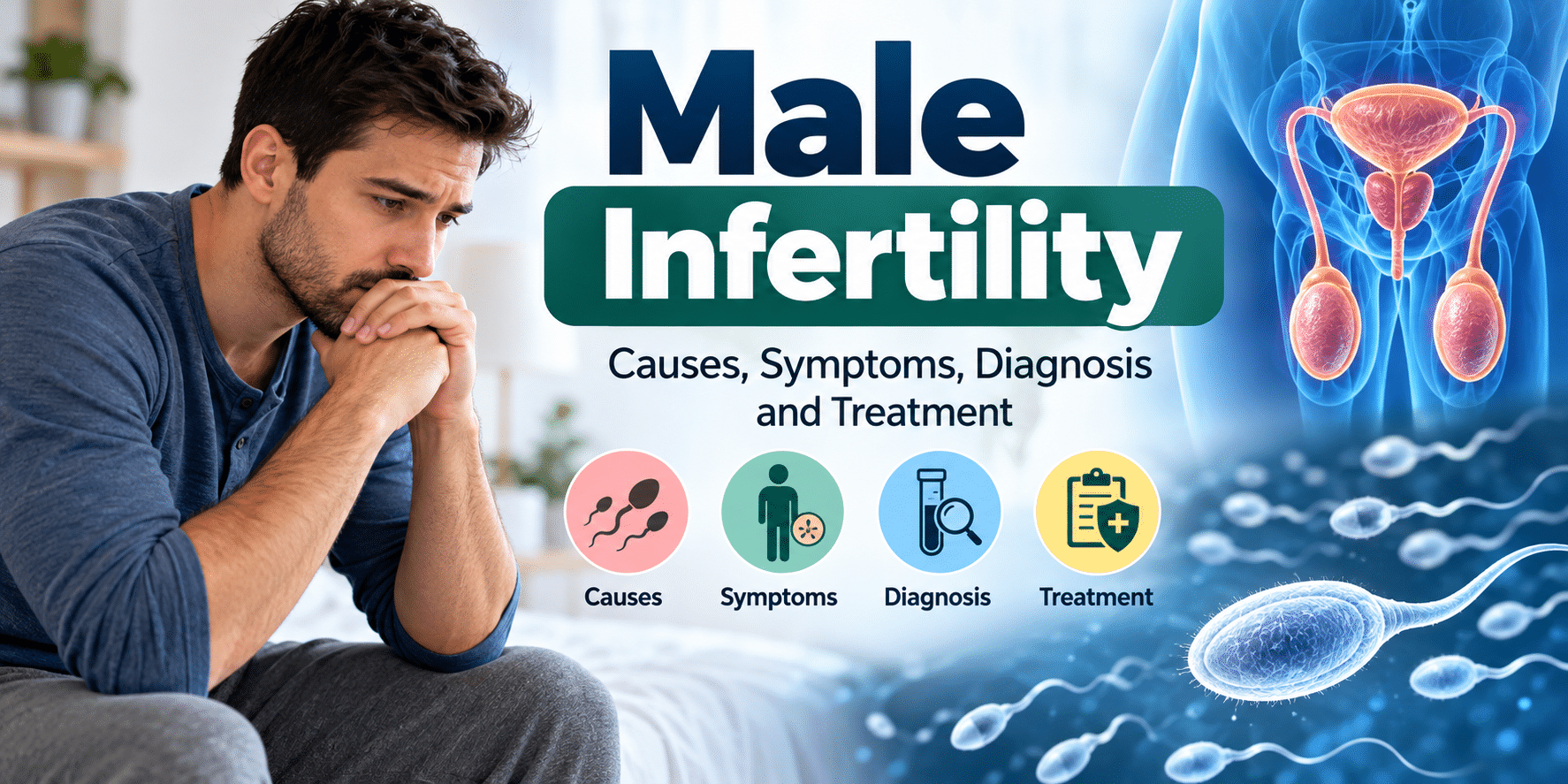
Male infertility is a common reproductive health concern that can make it difficult for a couple to conceive naturally. It may result from problems with sperm production, sperm quality, sperm movement, hormone levels, or the passage through which sperm travel. In some cases, lifestyle factors and certain medical conditions may also affect male fertility.
Infertility is not exclusively a female health issue. Male factors contribute to approximately half of infertility cases among couples, either alone or together with female reproductive factors. The good news is that many causes of male infertility can be evaluated, and some can be treated or managed with appropriate medical care.
Understanding the causes, recognizing possible warning signs, and seeking timely medical evaluation can help men make informed decisions about their reproductive health.
This guide explains what male infertility is, its common causes, symptoms, diagnosis, treatment options, natural approaches to supporting sperm health, and ways to reduce risk.
What Is Male Infertility?
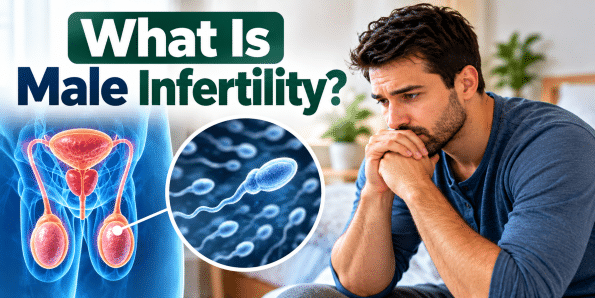
Male infertility is a reproductive condition in which a man has difficulty contributing to a pregnancy. It can be associated with a low sperm count, poor sperm movement, abnormal sperm shape, problems with ejaculation, hormonal imbalances, or other reproductive health conditions.
A commonly used clinical definition of infertility is the failure to achieve pregnancy after 12 months of regular, unprotected sexual intercourse. Couples may be advised to seek evaluation sooner when the female partner is 35 or older, or when either partner has a known fertility risk factor.
Male infertility does not necessarily mean that a man produces no sperm or can never father a child. Some men have reduced fertility but can still conceive naturally. Others may benefit from medical treatment or assisted reproductive techniques.
What Are the Main Causes of Male Infertility?
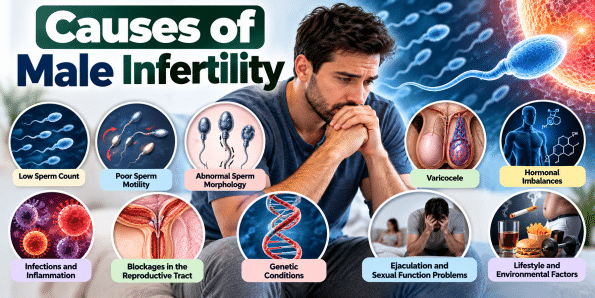
Male infertility can develop for several reasons. Sometimes, more than one factor contributes to the problem.
1. Low Sperm Count
A low sperm count, also called oligozoospermia, means that the semen contains fewer sperm than expected. With fewer sperm available to reach and fertilize an egg, the probability of conception may decrease.
Possible causes include hormonal disorders, genetic conditions, testicular injury, certain medications, infections, and exposure to excessive heat or harmful substances.
2. Poor Sperm Motility
Sperm motility refers to the ability of sperm to move effectively. Sperm generally need to swim through the female reproductive tract to reach an egg.
Reduced motility can make fertilization more difficult. It may be associated with infections, varicocele, oxidative stress, genetic factors, or problems affecting sperm development.
3. Abnormal Sperm Morphology
Sperm morphology describes the size and shape of sperm. Abnormalities may involve the head, middle section, or tail.
A high proportion of abnormally shaped sperm may be associated with reduced fertility, although morphology results must be interpreted alongside other semen parameters. An abnormal morphology result alone does not establish that a man is infertile.
4. Varicocele
A varicocele is an enlargement of veins within the scrotum, similar to varicose veins. It is a relatively common and potentially treatable factor in male infertility.
A varicocele may affect testicular temperature, blood flow, and oxidative stress, potentially interfering with sperm production or quality. Not every varicocele causes infertility, and treatment depends on the man’s examination findings and fertility goals.
5. Hormonal Imbalances
Hormones such as testosterone, follicle-stimulating hormone (FSH), and luteinizing hormone (LH) help regulate sperm production.
Problems involving the pituitary gland, hypothalamus, or testes may disrupt this process. Certain hormonal conditions can reduce sperm production even when a man has normal sexual desire or erections.
Importantly, taking testosterone medication without appropriate medical supervision can suppress sperm production and cause severe reductions in sperm count.
6. Infections and Inflammation
Some reproductive tract infections can interfere with sperm production, sperm movement, or the passage of sperm. Certain sexually transmitted infections may cause inflammation or scarring in the reproductive tract.
Not every infection causes infertility, and previous infections may sometimes have lasting effects even after symptoms disappear. Appropriate testing and treatment are important when an infection is suspected.
7. Blockages in the Reproductive Tract
Sperm travel from the testes through a series of ducts before being released during ejaculation. Blockages may occur because of congenital conditions, previous surgery, injury, or infection.
A blockage can result in a very low sperm count or no sperm in the ejaculate, a condition called azoospermia. Some obstructions can be treated surgically, depending on their location and cause.
8. Genetic Conditions
Certain genetic conditions can affect testicular development, sperm production, or reproductive anatomy. Examples include Klinefelter syndrome and some Y-chromosome abnormalities.
Genetic testing may be recommended for selected men, particularly when sperm production is severely impaired or no sperm are found in the ejaculate.
9. Ejaculation and Sexual Function Problems
Erectile dysfunction, ejaculation difficulties, or retrograde ejaculation can interfere with the delivery of sperm during intercourse.
In retrograde ejaculation, semen enters the bladder rather than leaving the penis. This can occur because of diabetes, certain medications, nerve problems, or previous surgery.
These conditions may require a different evaluation and treatment approach from problems involving sperm production.
10. Lifestyle and Environmental Factors
Several lifestyle and environmental factors may affect male reproductive health, including:
- Smoking and tobacco use.
- Heavy alcohol consumption.
- Anabolic steroid use and non-prescribed testosterone.
- Recreational drug use, including cannabis.
- Obesity and metabolic health problems.
- Poor sleep and inactivity.
- Exposure to certain pesticides, solvents, heavy metals, or other workplace hazards.
- Frequent or prolonged exposure to excessive heat, depending on the circumstances.
These factors do not affect every man in the same way, but reducing avoidable risks can support general and reproductive health.
What Are the Symptoms of Male Infertility?
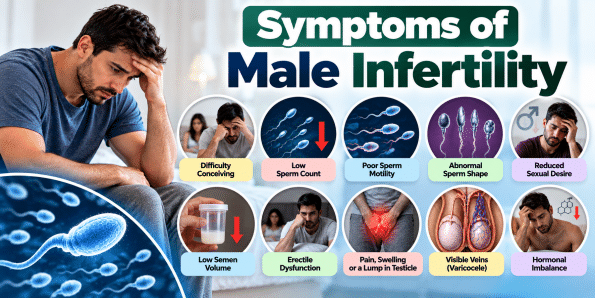
Male infertility often has no obvious symptoms. Many men discover a fertility problem only when they and their partner have difficulty conceiving.
Possible signs or associated symptoms include:
- Difficulty achieving a pregnancy after regular, unprotected intercourse.
- Reduced sexual desire.
- Difficulty getting or maintaining an erection.
- Pain, swelling, or a lump in the testicle.
- Noticeable changes in testicular size.
- Ejaculation problems or unusually low semen volume.
- Reduced facial or body hair when associated with a hormonal disorder.
- Breast enlargement in some men with hormonal abnormalities.
- A history of undescended testes, testicular injury, or reproductive tract infection.
These symptoms do not automatically mean that a man is infertile. For example, semen appearance cannot reliably determine sperm count or quality. A medical evaluation and appropriate testing are needed to identify the cause.
Sudden severe testicular pain or swelling requires urgent medical assessment.
How Is Male Infertility Diagnosed?
Diagnosis usually begins with a medical history, physical examination, and semen analysis. Additional tests are selected according to the initial findings.
1. Medical History
A healthcare professional may ask about the duration of attempts to conceive, previous pregnancies, sexual function, illnesses, medications, surgeries, and lifestyle habits.
Questions about childhood testicular problems, infections, cancer treatment, and exposure to heat or chemicals may also be relevant.
2. Physical Examination
A clinician may examine the testes, penis, and scrotum for abnormalities. The examination may assess testicular size, signs of a varicocele, and other features that could indicate a hormonal or structural problem.
3. Semen Analysis
Semen analysis is one of the most important initial tests for evaluating male fertility. A laboratory examines a semen sample for several characteristics, including:
- Semen volume.
- Sperm concentration and total sperm number.
- Sperm motility.
- Sperm morphology.
- Other relevant semen characteristics, when indicated.
Results can vary between samples. A clinician may recommend repeating the test, especially if the first result is abnormal. The laboratory’s collection instructions should be followed carefully.
A semen analysis does not directly measure every aspect of fertility, and a result outside the reference range does not automatically mean pregnancy is impossible.
4. Hormone Testing
Blood tests may measure testosterone, FSH, LH, and other hormones when symptoms or semen results suggest an endocrine problem.
Hormone testing can help distinguish certain problems involving sperm production from conditions affecting the hormonal signals that regulate the testes.
5. Ultrasound and Other Imaging
A scrotal ultrasound may be appropriate when the examination suggests a structural problem or when symptoms require further investigation.
Transrectal ultrasound or other imaging may be considered in selected cases when a blockage or anatomical abnormality is suspected.
6. Genetic Testing
Men with severe sperm production problems, azoospermia, or specific clinical findings may be offered genetic testing. The type of test depends on the suspected condition.
7. Additional Specialized Tests
Some men may require urine testing after ejaculation, infection testing, or other specialized investigations. Advanced sperm function tests are not necessary for every patient and should be ordered only when the results may influence clinical decisions.
What Are the Treatment Options for Male Infertility?
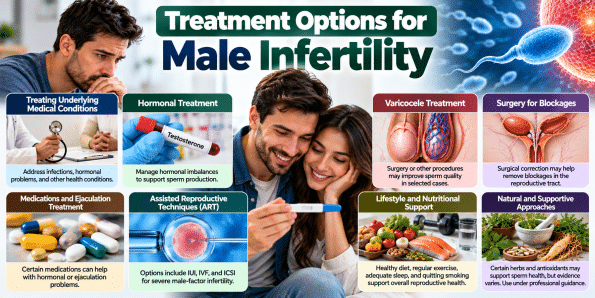
Treatment depends on the underlying cause, the severity of the problem, the female partner’s fertility, the couple’s preferences, and how quickly pregnancy is desired.
1. Treating Underlying Medical Conditions
If infertility is related to a hormonal disorder, infection, or another medical condition, treating that problem may improve reproductive function.
Hormone treatment can help selected men whose fertility problems result from specific hormonal deficiencies. However, testosterone replacement itself is generally unsuitable for men trying to conceive because it can suppress sperm production.
Men should discuss fertility goals with their healthcare professional before starting hormone medication.
2. Varicocele Treatment
In selected men with a palpable varicocele, infertility, and abnormal semen parameters, surgery or another appropriate procedure may improve semen quality and the chance of pregnancy.
Treatment is not recommended for every varicocele. The likely benefits should be weighed against the risks, cost, and the couple’s individual circumstances.
3. Surgery for Blockages
Some blockages in the reproductive tract can be corrected through surgery. In other cases, sperm may be retrieved directly from the reproductive tract for use in assisted reproduction.
The best approach depends on the type and location of the obstruction.
4. Medication and Ejaculation Treatment
Medication may help when a specific hormonal or ejaculation disorder is present. If a medicine is suspected of affecting fertility, a clinician may consider a safe alternative.
Do not stop prescribed medication without medical advice.
5. Assisted Reproductive Techniques
When natural conception is unlikely or other treatments have not worked, assisted reproductive techniques may be considered.
Intrauterine insemination (IUI): Prepared sperm are placed into the uterus. This may be appropriate in selected cases with sufficient usable sperm and other favorable fertility factors.
In vitro fertilization (IVF): Eggs are fertilized with sperm in a laboratory, and an embryo is transferred to the uterus.
Intracytoplasmic sperm injection (ICSI): A single sperm is injected directly into an egg during IVF. This technique is often used for significant male-factor infertility or when surgically retrieved sperm are needed.
These treatments do not guarantee pregnancy. A fertility specialist can explain the expected success rates, limitations, and costs based on the couple’s circumstances.
Natural Ways to Support Male Fertility
Natural approaches can support overall health and may improve some aspects of reproductive health. However, they cannot reliably correct every cause of infertility, particularly genetic conditions, major blockages, or severe testicular damage.

1. Eat a Balanced, Nutrient-Rich Diet
A healthy dietary pattern can provide nutrients needed for normal reproductive function. Include a variety of:
- Vegetables and fruits.
- Whole grains.
- Beans, lentils, and other legumes.
- Nuts and seeds.
- Fish and other suitable protein sources.
- Eggs and dairy products, if tolerated.
- Healthy unsaturated fats.
Foods containing zinc, selenium, folate, vitamin C, and other nutrients contribute to normal bodily functions. Eating a varied diet is generally preferable to relying on high-dose supplements.
No single food has been proven to cure male infertility.
2. Maintain a Healthy Weight
Excess body weight may be associated with hormonal changes and poorer reproductive health in some men.
Regular physical activity and sustainable dietary changes can support weight management and metabolic health. Aim for a routine that is realistic and consistent rather than relying on extreme diets.
3. Stop Smoking
Smoking is associated with poorer semen quality and other health risks. Quitting tobacco can benefit cardiovascular health and may support reproductive health.
Avoiding secondhand smoke where possible is also sensible.
4. Limit Alcohol and Avoid Recreational Drugs
Heavy alcohol use can negatively affect hormonal and reproductive health. Men trying to conceive should avoid heavy drinking and discuss alcohol use with a healthcare professional.
Anabolic steroids and non-prescribed testosterone can markedly suppress sperm production. Cannabis and other recreational substances may also affect reproductive health, although the evidence varies by substance and pattern of use.
5. Get Adequate Sleep
Consistent, sufficient sleep supports general health and normal hormone regulation. Establish a regular sleep schedule and seek medical advice if persistent sleep problems or symptoms of sleep apnea are present.
Improving sleep alone is not a proven treatment for infertility, but it is a reasonable part of a healthy lifestyle.
6. Exercise Regularly
Moderate, regular physical activity supports cardiovascular health, weight management, and metabolic function.
Avoid excessive training, extreme dieting, or the use of unregulated bodybuilding products, especially anabolic steroids, when trying to conceive.
7. Reduce Avoidable Heat and Chemical Exposure
Men concerned about fertility can review workplace exposure to pesticides, solvents, heavy metals, and other potentially harmful substances.
Follow occupational safety guidance and use appropriate protective equipment. Evidence about everyday heat exposure varies, so there is no need to assume that ordinary activities automatically cause infertility.
8. Be Careful With Herbal Remedies and Supplements
Herbs and traditional remedies are sometimes promoted for sperm count, sexual performance, or male fertility. However, evidence supporting many such products is limited, inconsistent, or based on small studies.
Some products may interact with medicines, contain undeclared ingredients, or be contaminated. High doses of certain vitamins and minerals can also be harmful.
Before using fertility supplements or herbal preparations, consult a qualified healthcare professional. Do not use them as a substitute for testing or established treatment.
Do Herbal Remedies Improve Male Infertility?
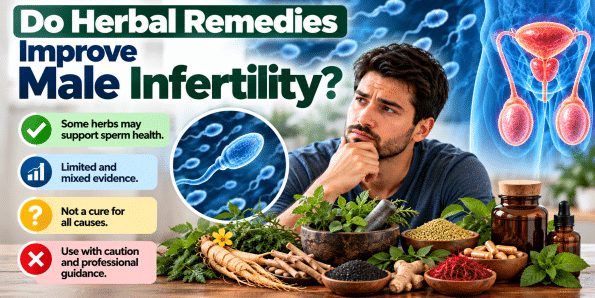
Some herbal products and antioxidant supplements have been studied for their possible effects on sperm parameters. However, study quality and results vary, and improvements in laboratory measurements do not necessarily translate into higher pregnancy or live-birth rates.
There is currently no herbal remedy proven to cure all forms of male infertility.
If a couple has been trying to conceive without success, identifying the cause is more useful than starting multiple supplements without guidance. A qualified clinician can help determine whether a particular product is appropriate and whether there is reliable evidence to support its use.
Can Male Infertility Be Prevented?
Not every case of male infertility can be prevented, especially when genetic conditions or congenital abnormalities are involved. Nevertheless, several practical measures may reduce avoidable risks.
- Avoid smoking and recreational drugs.
- Do not use anabolic steroids or non-prescribed testosterone.
- Maintain a healthy weight and remain physically active.
- Eat a varied, nutrient-rich diet.
- Limit heavy alcohol consumption.
- Manage chronic health conditions with appropriate medical care.
- Seek timely treatment for suspected reproductive tract infections.
- Use suitable protection when working around reproductive toxins.
- Discuss fertility preservation before chemotherapy, radiation, or other treatments that may damage sperm production.
- Seek medical assessment for testicular pain, swelling, or a new lump.
Men who have concerns about fertility should not delay assessment simply because they have normal erections, normal sexual desire, or apparently normal semen.
When Should You See a Doctor?
Consider a fertility evaluation if pregnancy has not occurred after 12 months of regular, unprotected intercourse. Seek advice earlier if the female partner is 35 or older, either partner has a known fertility risk, or there is a history of testicular surgery, undescended testes, cancer treatment, recurrent pregnancy loss, or sexual dysfunction.
A urologist specializing in male reproductive health or a fertility specialist can assess the possible causes and recommend appropriate testing.
Both partners should generally be evaluated because infertility can involve male factors, female factors, or a combination of both.
Conclusion
Male infertility is a common and often complex reproductive health concern. It may be related to low sperm count, poor sperm movement, hormonal problems, varicocele, infections, blockages, genetic conditions, or lifestyle factors.
Although some causes cannot be prevented, many men can benefit from an accurate diagnosis and a personalized treatment plan. Semen analysis is an important starting point, while hormone testing, imaging, genetic tests, and other investigations may be needed in selected cases.
A balanced diet, regular exercise, healthy sleep, smoking cessation, and avoidance of anabolic steroids can support general and reproductive health. Herbal remedies and supplements should be approached cautiously because their effectiveness is not established for many causes of infertility.
Most importantly, male infertility is a medical condition, not a personal failure. Seeking professional advice can help couples understand their options and make informed decisions about family planning.