Stress is a common part of modern life. Work pressure, financial responsibilities, family concerns, poor sleep, and busy schedules can all contribute to stress and mental fatigue. While some stress is normal, ongoing stress can affect sleep, concentration, mood, and overall well-being.
Many people explore natural remedies, including herbs, herbal teas, and traditional plant-based preparations, to support relaxation. Several herbs have a long history of traditional use, and some have been studied for their potential effects on stress, anxiety, and sleep.
In this guide, we explore the 10 best stress relief herbs, their traditional uses, potential benefits, preparation methods, and important safety considerations.
What Are Stress Relief Herbs?
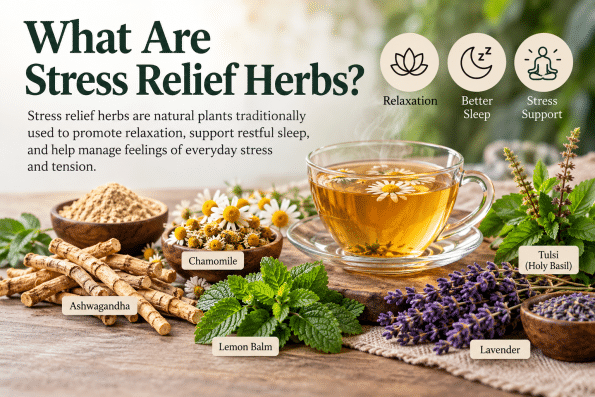
Stress relief herbs are plants traditionally used to promote relaxation, support restful sleep, or help people manage feelings of tension. Some are commonly prepared as teas, while others are available as capsules, powders, extracts, or aromatherapy products.
Certain herbs are described as adaptogens. This term generally refers to plants traditionally used to help the body respond to stress. However, scientific evidence varies considerably between herbs, and not every traditional use has been confirmed through high-quality clinical research.
Herbs should be considered part of a broader approach to well-being rather than a guaranteed treatment for stress or anxiety.
1. Ashwagandha
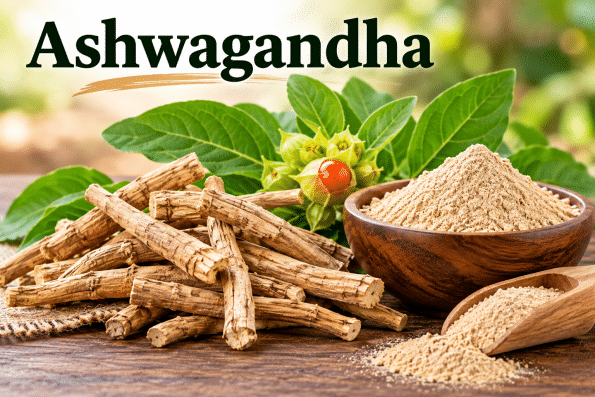
Ashwagandha (Withania somnifera) is a well-known herb in Ayurvedic medicine. Its roots are commonly used in traditional preparations and modern herbal supplements.
Potential Benefits of Ashwagandha
- May help reduce perceived stress in some adults.
- May support sleep quality.
- May help with feelings of stress-related fatigue.
- Has been studied for its potential effects on cortisol, a hormone involved in the body’s stress response.
Some clinical studies have reported improvements in perceived stress and sleep among people taking specific ashwagandha extracts. However, studies differ in quality, dosage, and duration, so the results cannot be generalized to every product.
How Is Ashwagandha Used?
Ashwagandha is available as root powder, capsules, and standardized extracts. The appropriate amount depends on the formulation and the individual’s circumstances.
Safety: Ashwagandha can cause digestive discomfort and drowsiness. It may affect thyroid function, interact with medicines, and has been associated with rare cases of liver injury. Avoid it during pregnancy, and seek professional advice before using it while breastfeeding or if you have a medical condition.
2. Chamomile
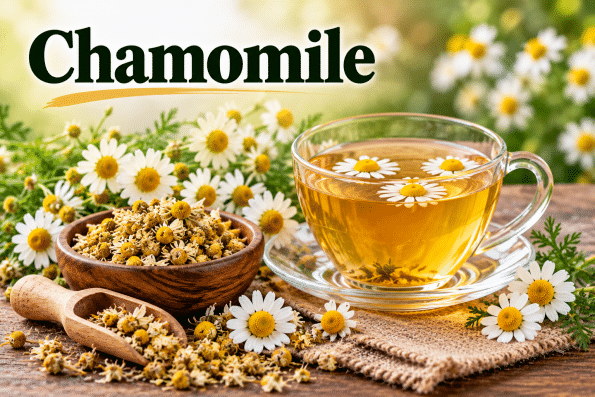
Chamomile (Matricaria chamomilla or Chamaemelum nobile) is a popular flowering herb commonly consumed as an herbal tea.
It is often used as part of a calming evening routine because its mild flavor and warm aroma can make relaxation more enjoyable.
Potential Benefits of Chamomile
- May promote a feeling of relaxation.
- May support a bedtime routine.
- May help some people with mild anxiety symptoms.
- Provides a caffeine-free alternative to regular tea and coffee.
Research on chamomile and anxiety has shown some promising findings, but the evidence remains limited. Chamomile tea should not be considered a proven treatment for an anxiety disorder.
How to Prepare Chamomile Tea
- Place approximately one teaspoon of dried chamomile flowers in a cup.
- Add hot water.
- Cover and steep for about five to ten minutes.
- Strain before drinking.
You can enjoy chamomile tea as part of a relaxing evening routine.
Safety: People allergic to ragweed or related plants may also react to chamomile. It may interact with certain medicines, including some blood thinners.
3. Lemon Balm
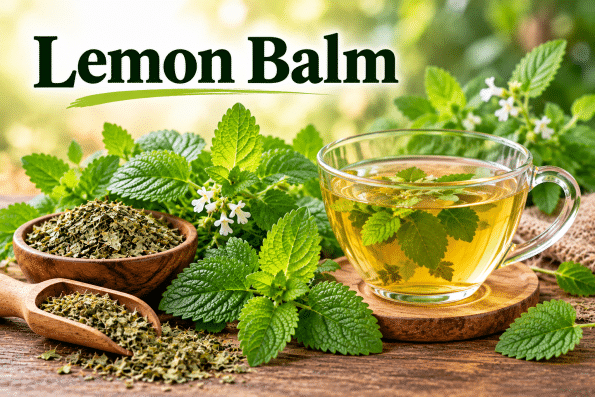
Lemon Balm (Melissa officinalis) is a member of the mint family. Its leaves have a mild lemon-like aroma and are traditionally used in herbal teas and other preparations.
Potential Benefits of Lemon Balm
- May support relaxation.
- May help ease occasional feelings of nervous tension.
- May be useful as part of a calming bedtime routine.
- Offers a pleasant herbal tea option for people who prefer citrus-like flavors.
Small studies suggest that lemon balm may influence mood and calmness, but larger and more rigorous studies are needed to establish its effectiveness.
How to Use Lemon Balm
Lemon balm leaves can be steeped in hot water to prepare an herbal infusion. It is also available in capsules and extracts.
Follow the product label and consult a qualified healthcare professional if you take regular medicines or have a thyroid condition.
4. Lavender
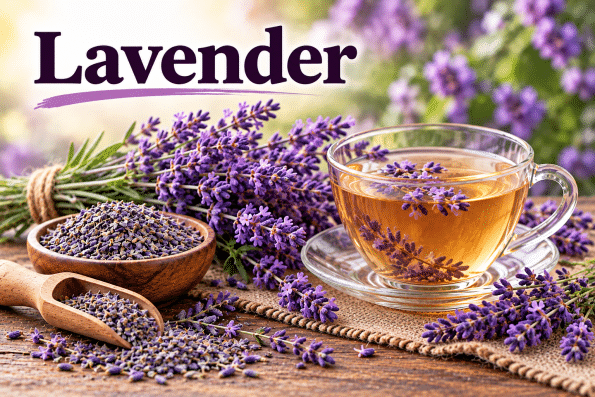
Lavender (Lavandula angustifolia) is an aromatic plant widely used in fragrances, personal-care products, and relaxation practices.
Lavender is particularly popular in aromatherapy because of its distinctive floral scent.
Potential Benefits of Lavender
- May promote a calming environment.
- May support relaxation before bedtime.
- Has been studied for possible benefits in people with anxiety symptoms.
- Can be incorporated into relaxation routines through its aroma.
Certain standardized oral lavender preparations have shown promising results in anxiety studies. These findings do not mean that all lavender products have the same effects.
Ways to Use Lavender
Lavender can be used in aromatherapy with a suitable diffuser or as a scented addition to a relaxing environment. Oral products should only be used according to appropriate professional guidance and product instructions.
Safety: Essential oils are concentrated products and should not be swallowed unless a specific preparation is intended for oral use under qualified guidance. Lavender may cause skin irritation or drowsiness in some people.
5. Holy Basil (Tulsi)
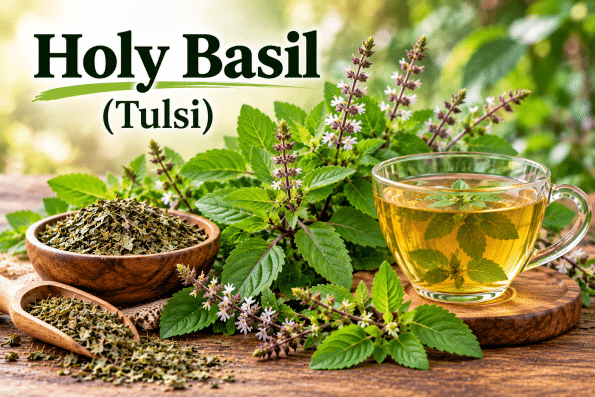
Holy basil (Ocimum tenuiflorum), commonly known as Tulsi, is an important herb in traditional Ayurvedic practices.
Tulsi leaves are frequently used to prepare herbal tea and are traditionally associated with general wellness.
Potential Benefits of Tulsi
- Traditionally used for stress support.
- May contribute to a relaxing daily routine.
- Can be consumed as a caffeine-free herbal infusion.
- Provides an alternative to highly caffeinated drinks.
Some preliminary research has examined Tulsi for stress and mood-related outcomes. However, stronger clinical evidence is needed before making firm conclusions about its effectiveness.
How to Prepare Tulsi Tea
Add fresh, clean Tulsi leaves or an appropriate quantity of dried leaves to hot water. Allow the mixture to steep before straining.
Tulsi should not replace prescribed treatment for ongoing stress, anxiety, or other health conditions.
Safety: Consult a healthcare professional before using concentrated Tulsi supplements, particularly if you take medicines that affect blood sugar or blood clotting.
6. Passionflower
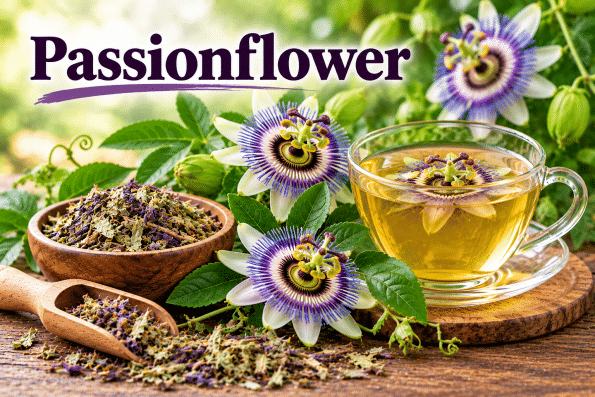
Passionflower (Passiflora incarnata) is a climbing plant traditionally used in herbal preparations for restlessness and sleep-related concerns.
Potential Benefits of Passionflower
- Traditionally used for nervous tension.
- May support relaxation.
- Has been studied for possible effects on anxiety symptoms.
- May help some people establish a calming bedtime routine.
Research remains limited, and it is not possible to guarantee that passionflower will relieve stress or improve sleep for everyone.
How Is Passionflower Used?
Passionflower is available as tea, liquid extracts, and capsules. Use only products intended for human consumption and follow their instructions.
Safety: Passionflower may cause drowsiness and should not be combined casually with sedatives or alcohol. Avoid use during pregnancy unless specifically advised by a qualified healthcare professional.
7. Valerian Root
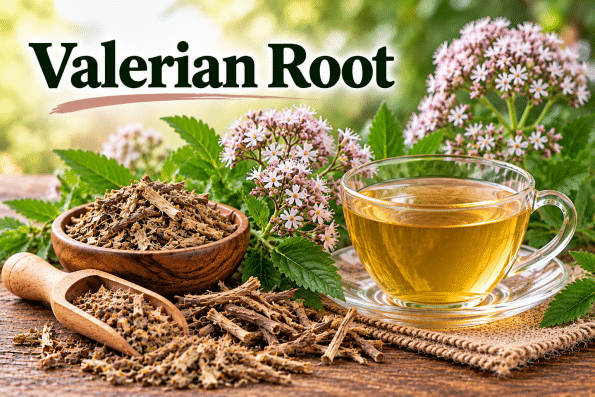
Valerian (Valeriana officinalis) is a traditional herbal remedy most commonly associated with sleep support.
Although it is sometimes included in herbal relaxation blends, research on its effectiveness for sleep has produced inconsistent results.
Potential Benefits of Valerian
- Traditionally used for sleep difficulties.
- May be incorporated into an evening relaxation routine.
- Commonly included in certain herbal sleep preparations.
Valerian is more often used for sleep-related concerns than as a daytime stress remedy.
How to Use Valerian
Valerian is available in capsules, extracts, and some herbal teas. Product formulations differ, so follow the label and seek professional advice if you are considering regular use.
Safety: Valerian can cause drowsiness, dizziness, or digestive discomfort. Avoid combining it with alcohol, sleeping tablets, or other sedating substances without medical advice.
8. Brahmi
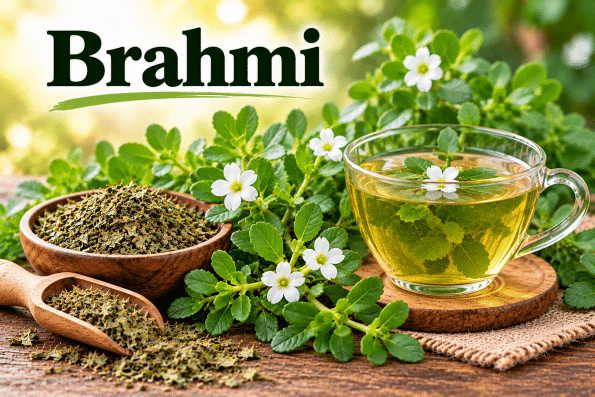
Brahmi commonly refers to Bacopa monnieri, a plant used in Ayurvedic traditions.
Bacopa has been studied primarily for memory and cognitive performance rather than as a direct treatment for stress.
Potential Benefits of Brahmi
- Traditionally used to support cognitive health.
- May be relevant to people interested in memory and mental performance.
- Has been investigated for possible effects on selected aspects of mood and cognition.
Evidence that Brahmi directly relieves stress is not conclusive. It should not be promoted as a guaranteed remedy for anxiety or mental fatigue.
How Is Brahmi Used?
Brahmi is available in capsules, powders, and extracts. Follow the product instructions and seek professional advice before combining it with medicines or other supplements.
Safety: It may cause digestive side effects and can interact with certain medicines.
9. Jatamansi
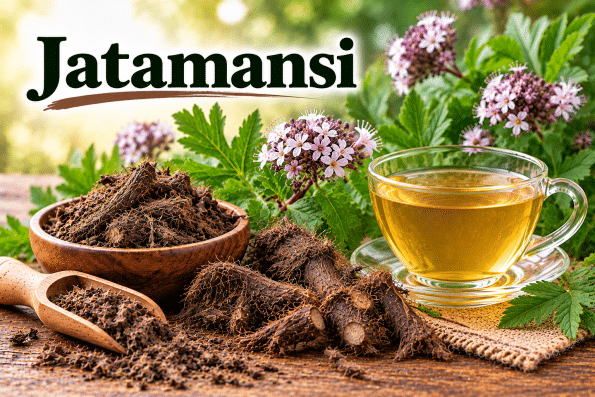
Jatamansi (Nardostachys jatamansi) is a traditional Ayurvedic herb whose roots have been used in historical herbal preparations.
It is sometimes associated with calmness and sleep in traditional herbal practices.
Potential Benefits of Jatamansi
- Traditionally used in preparations intended to promote calmness.
- Associated with relaxation in some traditional systems.
- Sometimes included in multi-herb Ayurvedic formulations.
Scientific evidence from well-designed human studies is limited. More research is required to understand its safety, effectiveness, and appropriate use.
Safety Considerations
Avoid assuming that traditional use proves a product is effective or safe. Use caution with concentrated preparations, and consult a qualified healthcare professional before taking Jatamansi supplements.
10. Green Tea
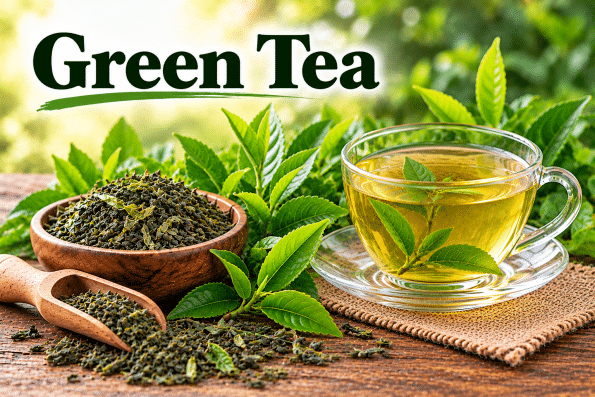
Green tea is prepared from the leaves of Camellia sinensis. It contains polyphenols and the amino acid L-theanine, which has attracted scientific interest for its possible effects on relaxation and attention.
However, green tea also contains caffeine, which may increase nervousness in caffeine-sensitive individuals.
Potential Benefits of Green Tea
- Provides antioxidants called catechins.
- Contains L-theanine, which has been studied for relaxation and attention.
- Can be part of a balanced daily routine.
- Offers an alternative to sugary drinks.
The effects of L-theanine on stress vary across studies, and drinking green tea should not be considered a treatment for anxiety.
How to Use Green Tea
Prepare green tea according to the product instructions. If caffeine affects your sleep or makes you feel anxious, consider a lower-caffeine option or a caffeine-free herbal tea instead.
Best Herbal Teas for Relaxation
Herbal tea can make it easier to build a regular relaxation routine. The following options are worth considering.
Chamomile Tea
A caffeine-free choice often enjoyed before bedtime. It is especially suitable for people who like a mild floral flavor.
Lemon Balm Tea
A fragrant herbal infusion traditionally associated with calmness. It can be enjoyed warm as part of a quiet break.
Tulsi Tea
A traditional herbal drink with a distinctive flavor. It provides a caffeine-free alternative to regular tea when prepared without caffeinated ingredients.
Lavender Infusion
Lavender is used in some herbal infusions, although the product must be specifically intended for drinking. Do not use essential oil as a substitute for edible lavender flowers.
Important Note About Herbal Blends
Combining several herbs does not automatically make a tea more effective. Multi-herb products can also increase the risk of side effects and interactions. Choose clearly labeled products and check the ingredients carefully.
How to Choose the Right Stress Relief Herb
The most appropriate option depends on your individual needs, health status, and preferences.
Consider the following points before choosing an herbal product:
- Identify your main concern. Occasional stress, sleep difficulties, and persistent anxiety are different problems and may require different approaches.
- Check the ingredients. Look for the botanical name, amount per serving, and clear directions.
- Choose reputable products. Prefer suppliers that provide transparent ingredient information and appropriate quality testing.
- Consider your medicines. Herbs may interact with prescription medicines, over-the-counter products, and other supplements.
- Avoid exaggerated claims. Be cautious of products promising instant relaxation, guaranteed anxiety relief, or permanent stress elimination.
- Seek advice when necessary. A qualified healthcare professional can help determine whether an herbal supplement is appropriate for you.
Natural Ways to Manage Stress Without Supplements
Herbs are only one possible part of a stress-management routine. Several everyday practices can also support emotional well-being.
1. Practice Slow Breathing
Spend five minutes breathing gently and slowly. Avoid forcing deep breaths, and stop if you feel dizzy.
2. Maintain a Regular Sleep Schedule
Going to bed and waking up at consistent times may help support sleep quality and daily functioning.
3. Stay Physically Active
Walking, stretching, cycling, or another activity you enjoy can support physical and emotional health.
4. Reduce Excess Caffeine
Coffee, energy drinks, and strong tea may worsen nervousness or sleep problems in some people. Consider reducing intake if you notice these effects.
5. Take Regular Breaks
Short breaks from screens and demanding tasks may make daily responsibilities feel more manageable.
6. Connect With Other People
Talking with a trusted friend, family member, or mental health professional can provide support during stressful periods.
7. Consider Professional Support
If stress becomes persistent, causes significant distress, or interferes with work, relationships, or sleep, consult a qualified healthcare professional. Anxiety disorders and other mental health conditions may benefit from evidence-based treatment.
Are Stress Relief Herbs Safe?
Natural products are not automatically safe for everyone. Herbs contain active compounds that may cause side effects or interact with medicines.
Keep these precautions in mind:
- Do not replace prescribed medicines with herbal supplements without consulting your healthcare professional.
- Ask for professional guidance before using supplements during pregnancy or breastfeeding.
- Be particularly careful when giving herbal products to children.
- Avoid combining multiple calming supplements or using them with alcohol or sedating medicines without professional advice.
- Stop using a product and seek medical advice if you develop concerning symptoms.
- Purchase supplements from reputable suppliers with transparent labeling.
Seek urgent medical assistance if you experience severe symptoms, feel unable to keep yourself safe, or have other signs of a medical emergency.
Frequently Asked Questions
1. What is the best herb for stress relief?
There is no single best herb for everyone. Ashwagandha has shown promising results in some studies of perceived stress, while chamomile and lemon balm are popular choices for relaxation. Evidence varies, and individual health factors matter.
2. Which herbal tea is good for relaxation?
Chamomile, lemon balm, and Tulsi teas are common caffeine-free options. Their calming effects are not guaranteed, and tea should be considered a supportive routine rather than a substitute for medical care.
3. Can herbs help with stress and sleep?
Some herbs have been studied for stress-related symptoms or sleep quality. However, results vary, and persistent sleep problems should be discussed with a healthcare professional.
4. Can I take stress relief herbs every day?
Daily use depends on the herb, the formulation, the amount, and your health circumstances. Some supplements have important contraindications and interactions. Seek professional advice before regular use.
5. Are stress relief herbs safe during pregnancy?
Not necessarily. Many herbal supplements have insufficient pregnancy safety data, and some may be harmful. Do not use stress-relief supplements during pregnancy without guidance from a qualified healthcare professional.
6. Can I combine Ashwagandha, Chamomile, and Tulsi?
Combining herbs may increase the possibility of side effects or interactions. Safety depends on the formulations, quantities, and any medicines you take. Ask a healthcare professional before combining supplements.
7. How long do stress relief herbs take to work?
There is no universal timeframe. The effects depend on the herb, product, and individual. Some people may find a warm herbal tea relaxing as part of a routine, while clinical studies of supplements often examine use over several weeks. Do not increase the amount to try to speed up results.
8. Do stress relief herbs cure anxiety?
Herbs are not proven cures for anxiety disorders. Some preparations have shown promising findings, but evidence is limited for many products. Persistent or severe anxiety deserves professional assessment and appropriate treatment.
Conclusion
Stress relief herbs have a long history of use in traditional wellness practices. Ashwagandha, chamomile, lemon balm, lavender, Tulsi, passionflower, valerian, Brahmi, Jatamansi, and green tea are among the plants people commonly explore for relaxation, sleep support, or general well-being.
The scientific evidence differs from one herb to another. Ashwagandha has shown promising results in some stress studies, while chamomile and lavender have also been investigated for anxiety-related symptoms. Many other traditional herbs need stronger clinical research.
For a balanced approach, combine healthy sleep habits, physical activity, slow breathing, and social support with careful consideration of any herbal products. Choose reputable products, understand their potential risks, and consult a qualified healthcare professional before starting supplements, especially if you take medicines or have an existing medical condition.
Disclaimer: This article is for educational purposes only and is not intended to diagnose, treat, cure, or prevent any disease. Herbal supplements are not a substitute for professional medical advice or evidence-based mental health treatment.