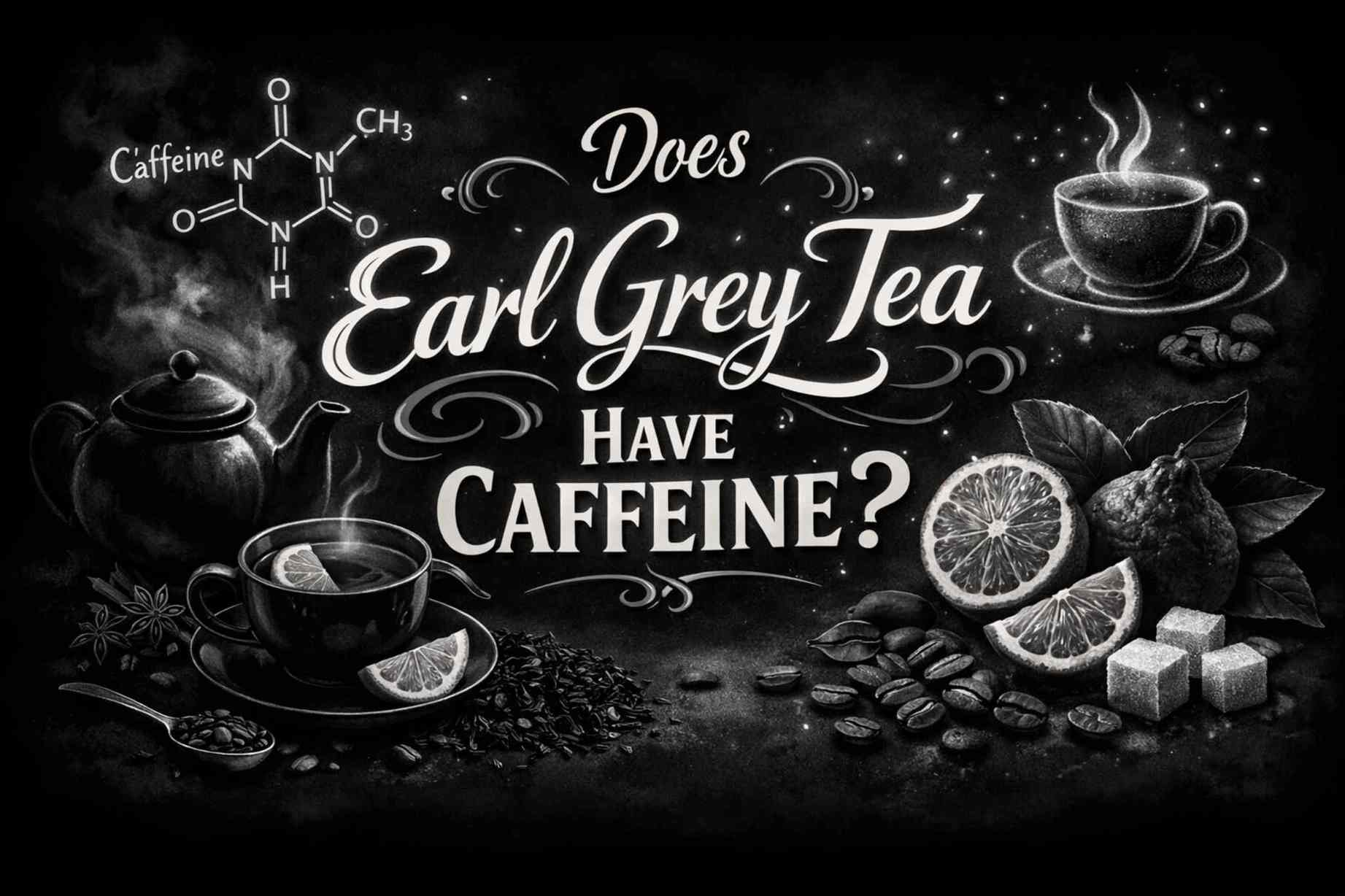
Earl Grey tea is one of the most recognizable and beloved teas in the world. Known for its distinctive citrusy aroma and refined flavor, it has long been associated with elegance, afternoon tea rituals, and British tea culture. Despite its popularity, many tea drinkers still ask an important and practical question: Does Earl Grey tea have caffeine?
The short answer is yes, traditional Earl Grey tea does contain caffeine. However, the full answer is more nuanced and depends on several factors, including the type of tea leaves used, how it is brewed, and whether the blend is traditional or decaffeinated. In this in-depth guide, we will explore everything you need to know about caffeine in Earl Grey tea, from its origins and composition to how it compares with other caffeinated beverages and how you can manage or reduce its caffeine content.
What Is Earl Grey Tea?
To understand why Earl Grey tea contains caffeine, it helps to first understand what Earl Grey tea actually is. Earl Grey is not a specific tea plant or a standalone tea variety. Instead, it is a flavored tea blend.
Traditionally, Earl Grey is made using black tea leaves infused or flavored with oil of bergamot, a fragrant citrus fruit that grows primarily in Italy. The bergamot oil gives Earl Grey its signature floral, citrusy taste and aroma.
Because black tea is the base of classic Earl Grey, and black tea naturally contains caffeine, most traditional Earl Grey teas are caffeinated.
The Origin of Earl Grey Tea and Its Tea Base
Earl Grey tea is named after Charles Grey, the 2nd Earl Grey and British Prime Minister in the early 19th century. While there are several legends about how the tea originated, most historical accounts agree that the blend became popular in Britain due to its unique flavor and association with aristocracy.
The key point when discussing caffeine is that Earl Grey has historically been made with black tea, which comes from the Camellia sinensis plant. This plant naturally produces caffeine as a defense mechanism against insects. As a result, any tea made from Camellia sinensis leaves will contain caffeine unless it has been processed to remove it.
Does Earl Grey Tea Have Caffeine?
Yes, traditional Earl Grey tea does contain caffeine. The caffeine content comes from the black tea base, not from the bergamot flavoring. On average, an 8-ounce cup of Earl Grey tea contains approximately 40 to 70 milligrams of caffeine.
This amount can vary depending on several factors, including:
- The quality and type of black tea used
- The amount of tea leaves in the blend
- Brewing time and water temperature
- Whether the tea is loose-leaf or bagged
While Earl Grey does contain caffeine, it generally has less caffeine than coffee, making it a popular choice for people who want a gentle energy boost without the intensity of coffee.
How Much Caffeine Is in Earl Grey Tea Compared to Other Drinks?
Understanding caffeine levels in context can help you decide whether Earl Grey tea fits into your daily routine.
Earl Grey Tea vs Coffee
A standard cup of brewed coffee contains around 90 to 120 milligrams of caffeine, sometimes even more depending on the roast and brewing method. In comparison, Earl Grey tea typically has about half the caffeine of coffee, making it a milder alternative.
Earl Grey Tea vs Other Black Teas
Earl Grey’s caffeine content is similar to other black teas such as English Breakfast or Assam tea. However, some strong black teas may contain slightly more caffeine depending on leaf size and oxidation level.
Earl Grey Tea vs Green Tea
Green tea usually contains 25 to 45 milligrams of caffeine per cup, which is lower than most Earl Grey blends. If you are caffeine-sensitive, green tea-based Earl Grey blends can be a suitable alternative.
Earl Grey Tea vs Herbal Tea
Herbal teas, such as chamomile or peppermint, are naturally caffeine-free because they are not made from the tea plant. Traditional Earl Grey is not herbal and therefore is not caffeine-free unless specifically labeled as such.
Factors That Affect the Caffeine Content in Earl Grey Tea
While Earl Grey tea naturally contains caffeine, the exact amount in your cup can vary significantly based on several important factors.
Type of Tea Base Used
Most Earl Grey teas use black tea, but some modern variations use green tea, white tea, or even rooibos. Black tea-based Earl Grey has the highest caffeine content, while green and white tea versions contain less.
Loose Leaf vs Tea Bags
Tea bags often contain smaller tea particles, which release caffeine more quickly into the water. Loose-leaf Earl Grey generally allows for more controlled brewing and can sometimes result in slightly lower caffeine levels if brewed gently.
Brewing Time
The longer you steep your Earl Grey tea, the more caffeine is extracted from the leaves. A short steep of 2 to 3 minutes will result in less caffeine than a steep of 5 minutes or more.
Water Temperature
Hotter water extracts caffeine more efficiently. Brewing Earl Grey with boiling water will yield a more caffeinated cup than brewing it at a slightly lower temperature.
Leaf Quality and Processing
Teas made from younger leaves and buds often contain more caffeine than those made from mature leaves. Premium Earl Grey blends may sometimes have slightly higher caffeine levels due to leaf selection.
Is There Decaffeinated Earl Grey Tea?
Yes, decaffeinated Earl Grey tea is widely available. These teas are made by removing most of the caffeine from the black tea leaves before adding bergamot flavoring.
Decaffeination processes typically remove about 90 to 97 percent of the caffeine, though trace amounts may still remain. If you are highly sensitive to caffeine or avoiding it for medical or lifestyle reasons, decaffeinated Earl Grey can be a good option.
It is important to note that decaffeinated tea may have a slightly milder flavor compared to regular Earl Grey, but high-quality decaffeinated blends still retain much of the characteristic bergamot aroma.
Caffeine-Free Earl Grey Alternatives
In addition to decaffeinated versions, there are also naturally caffeine-free Earl Grey alternatives. These blends do not use traditional tea leaves at all.
Rooibos Earl Grey
Rooibos is a South African herbal plant that is naturally caffeine-free. Rooibos Earl Grey blends combine the rich, earthy flavor of rooibos with bergamot oil, offering a caffeine-free version that closely resembles traditional Earl Grey.
Herbal Earl Grey Blends
Some blends use herbs, flowers, or fruit bases instead of tea leaves. These are completely caffeine-free and suitable for evening consumption.
Red Bush Earl Grey
Red bush is another name for rooibos, and Earl Grey versions made with red bush are popular among those who want the flavor without stimulation.
Is Earl Grey Tea Suitable for People Sensitive to Caffeine?
Earl Grey tea can be suitable for caffeine-sensitive individuals depending on how it is consumed. Because it contains less caffeine than coffee, many people find it gentler and less likely to cause jitters.
For those with higher sensitivity, several strategies can help:
- Choose decaffeinated or rooibos Earl Grey
- Brew for a shorter time
- Use cooler water
- Drink Earl Grey earlier in the day
Listening to your body’s response is key. Some people tolerate small amounts of caffeine well, while others may feel its effects more strongly.
Does Bergamot Affect Caffeine Levels?
Bergamot oil itself does not contain caffeine and does not increase the caffeine content of Earl Grey tea. Its role is purely aromatic and flavor-based.
However, bergamot has been associated with certain physiological effects, such as mild mood enhancement or alertness, which may sometimes be mistaken for caffeine stimulation. These effects are subtle and not comparable to caffeine’s impact on the nervous system.
Health Considerations Related to Caffeine in Earl Grey Tea
Caffeine in moderate amounts can offer several benefits, including improved focus, alertness, and mental clarity. Earl Grey tea also contains antioxidants known as polyphenols, which support overall health.
However, excessive caffeine consumption can lead to side effects such as:
- Restlessness
- Insomnia
- Increased heart rate
- Digestive discomfort
For most healthy adults, moderate consumption of Earl Grey tea is considered safe. Pregnant individuals, people with certain medical conditions, or those advised to limit caffeine should consult a healthcare professional.
Best Time to Drink Earl Grey Tea
Because Earl Grey contains caffeine, it is generally best enjoyed in the morning or early afternoon. Drinking it too late in the day may interfere with sleep for some individuals.
If you enjoy the flavor of Earl Grey in the evening, switching to a decaffeinated or caffeine-free version can allow you to enjoy the taste without sleep disruption.
How to Reduce Caffeine in Your Cup of Earl Grey
If you enjoy traditional Earl Grey but want to reduce caffeine intake, there are simple methods you can try at home.
One effective method is the quick rinse technique. Steep the tea leaves in hot water for about 30 seconds, discard the water, and then brew again. This removes a significant portion of the caffeine while preserving much of the flavor.
Another option is to shorten the steeping time or use fewer tea leaves per cup.
Conclusion: So, Does Earl Grey Tea Have Caffeine?
Yes, traditional Earl Grey tea does have caffeine, primarily because it is made with black tea leaves. A typical cup contains moderate caffeine, making it a balanced choice for those who want gentle stimulation without the intensity of coffee.
However, the caffeine content of Earl Grey tea is not fixed. It varies based on the tea base, brewing method, and whether the blend is regular, decaffeinated, or herbal. With modern options such as decaffeinated and caffeine-free Earl Grey alternatives, nearly everyone can enjoy the signature bergamot flavor in a way that suits their lifestyle.
Whether you drink Earl Grey for its taste, aroma, or mild energy boost, understanding its caffeine content allows you to enjoy it mindfully and confidently as part of your daily routine.