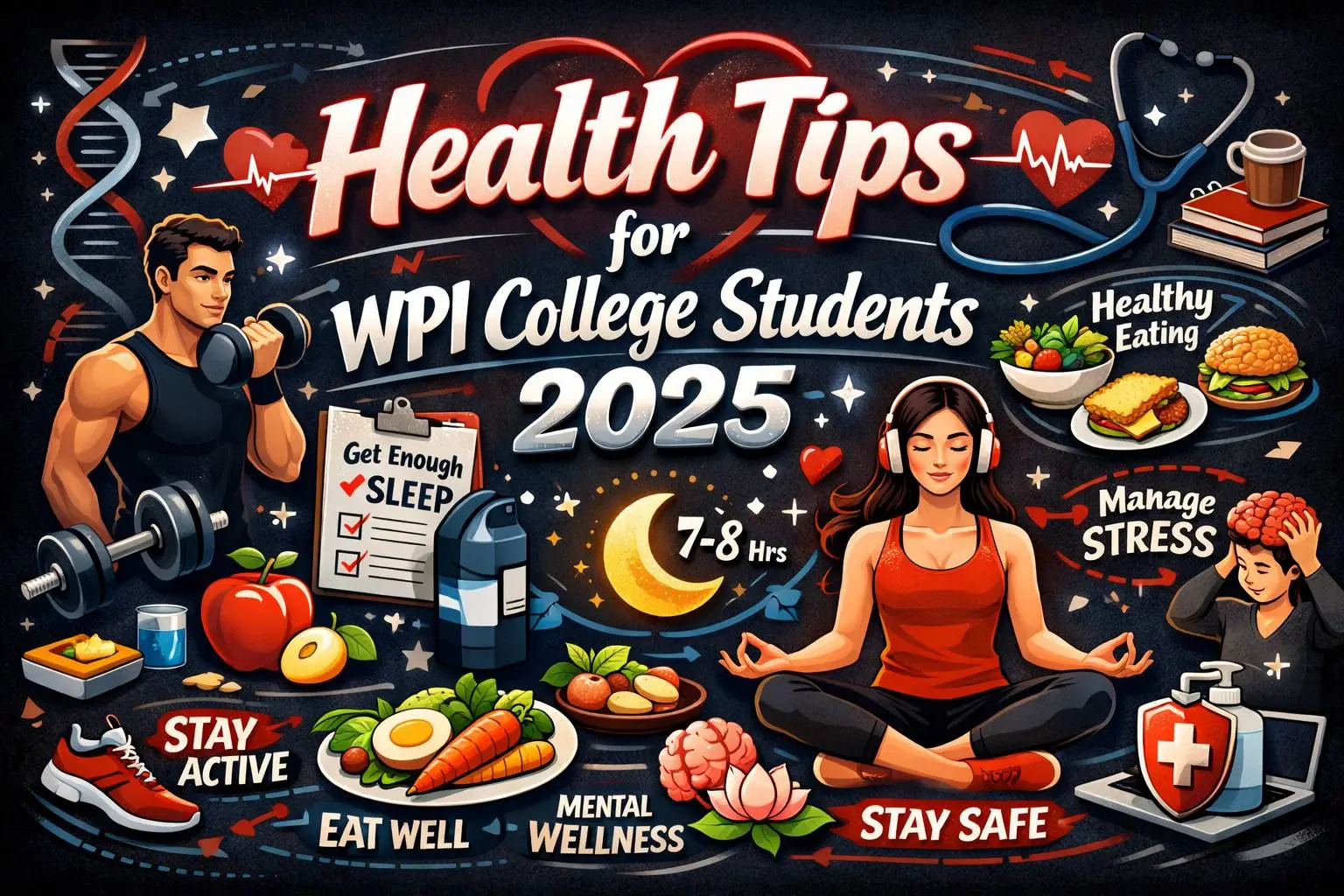
Health posters remain one of the most powerful and cost-effective tools for promoting wellness on college campuses. In 2025, as student life becomes increasingly fast-paced, digitally connected, and academically demanding, thoughtfully designed health posters can play a vital role in shaping awareness, influencing behavior, and fostering a culture of well-being at Worcester Polytechnic Institute (WPI).
WPI is known for its rigorous academic structure, project-based learning model, and innovative STEM programs. While this environment encourages creativity and achievement, it can also bring stress, irregular schedules, and lifestyle challenges. Health posters tailored specifically for WPI students must reflect their unique academic rhythm, campus culture, and evolving health concerns.
This in-depth guide explores the purpose, themes, design strategies, placement, and impact of health posters for WPI college students in 2025.
Why Health Posters Still Matter in 2025
Despite the dominance of digital communication, physical health posters remain highly relevant on college campuses. Students pass bulletin boards, residence hall corridors, gym entrances, dining areas, labs, and study spaces daily. Visual reminders in these environments influence habits in subtle but meaningful ways.
Health posters work because they:
- Reinforce consistent messaging
- Provide quick, digestible information
- Normalize conversations around sensitive topics
- Encourage positive health behaviors
- Support institutional wellness initiatives
In a campus environment like WPI, where students are often immersed in projects and problem-solving, visually engaging posters can interrupt mental overload and redirect attention toward personal well-being.
Understanding the WPI Student Experience
Before designing effective health posters, it is essential to understand WPI’s academic and social environment.
WPI operates on a unique seven-week term system. Students experience intense academic blocks followed by short breaks. This structure can create:
- High academic pressure during terms
- Irregular sleep schedules
- Increased caffeine consumption
- Limited time for meal planning
- Heightened stress around project deadlines
Additionally, many WPI students are involved in robotics, engineering design teams, coding projects, research labs, and extracurricular clubs. Screen time is often high, and social interaction may revolve around collaborative academic work.
Health posters for 2025 should reflect this reality by addressing mental resilience, sustainable productivity, balanced nutrition, sleep optimization, and physical movement.
Key Health Themes for WPI Students in 2025
Mental Health and Stress Management
Mental health continues to be a central concern on college campuses nationwide. At a high-achieving institution like WPI, students may experience performance pressure and burnout.
Effective mental health posters can include:
- Signs of burnout and how to recognize it
- Quick stress relief techniques
- Breathing exercises
- Campus counseling resources
- Encouraging phrases that normalize seeking help
Examples of messaging:
- “Project deadlines matter. Your mental health matters more.”
- “Take a 5-minute reset. Breathe. Stretch. Refocus.”
- “Strong engineers ask for help too.”
In 2025, mental health messaging should be stigma-free, inclusive, and proactive rather than reactive.
Sleep Awareness
College students often sacrifice sleep for academic productivity. However, lack of sleep affects concentration, memory, and emotional stability.
Sleep-focused posters can include:
- Benefits of 7–9 hours of sleep
- Tips for managing late-night study sessions
- The impact of blue light exposure
- Healthy evening routines
A visually effective poster might show:
- A comparison of “All-nighter mode” versus “Rested and ready mode”
- Brain function graphics that resonate with STEM-minded students
For WPI students, connecting sleep to cognitive performance and innovation can make the message more compelling.
Nutrition and Smart Fueling
Busy schedules often lead to skipped meals or excessive snacking. Health posters in dining halls and residence halls can promote balanced nutrition without sounding preachy.
Themes might include:
- Quick, balanced meal ideas
- Hydration reminders
- Smart caffeine consumption
- The role of protein and complex carbohydrates in sustained energy
For example:
- “Fuel Your Focus: Protein + Fiber + Hydration”
- “Coffee helps. Water helps more.”
- “Brainpower runs on real nutrients.”
Including simple infographics can appeal to WPI’s analytical student population.
Physical Activity and Movement
With long hours spent in labs and on computers, physical inactivity can become common. Posters placed near elevators, academic buildings, and dorm entrances can encourage movement.
Key messaging might include:
- Stretch breaks every hour
- Walking meetings
- Campus fitness resources
- Short bodyweight routines for small spaces
A 2025-focused poster could feature:
- “Code. Build. Move.”
- A 5-minute stretch routine illustrated step-by-step
- QR codes linking to short guided workouts
Movement messaging should emphasize improved focus, posture, and productivity rather than weight or appearance.
Digital Wellness
As technology continues to dominate student life, digital wellness has become increasingly important.
Posters could address:
- Screen time awareness
- Social media breaks
- Eye strain prevention
- Healthy online boundaries
Example messaging:
- “Your brain needs offline time.”
- “20-20-20 Rule: Every 20 minutes, look 20 feet away for 20 seconds.”
- “Disconnect to recharge.”
Given WPI’s tech-forward culture, digital wellness messaging should avoid demonizing technology and instead promote balanced use.
Substance Awareness
College environments often require clear messaging around alcohol, vaping, and substance use.
Effective posters in 2025 should:
- Provide factual, non-judgmental information
- Offer campus support resources
- Emphasize personal safety
- Highlight bystander intervention strategies
Messaging can include:
- “Know your limits.”
- “Look out for your team.”
- “Smart choices protect your future.”
Clear, respectful language is essential for credibility.
Sexual Health and Consent
Health posters should also promote sexual health awareness and respectful relationships.
Key components include:
- Consent education
- STI testing information
- Healthy relationship boundaries
- Campus support services
Posters should be inclusive, using diverse imagery and language that reflects the WPI community.
Examples:
- “Consent is clear, mutual, and ongoing.”
- “Your body, your boundaries.”
- “Free testing. Confidential support.”
Designing Health Posters That Resonate
Design plays a critical role in whether a poster captures attention or gets ignored.
Visual Appeal
In 2025, students are accustomed to high-quality digital visuals. Posters should include:
- Clean layouts
- High-contrast colors
- Minimal clutter
- Modern typography
- Simple icons or infographics
Bold headlines work best, followed by concise supporting information.
Data-Driven Messaging
WPI students often respond well to data and logic. Including statistics or research-backed facts can increase credibility.
For example:
- “Students who sleep 8 hours score higher on memory tasks.”
- “Hydration improves focus and reaction time.”
Clear, science-based messaging aligns with the analytical mindset of many STEM students.
QR Code Integration
Hybrid communication is essential in 2025. Posters should include QR codes that link to:
- Counseling appointment scheduling
- Campus wellness pages
- Guided meditation videos
- Event registration forms
This bridges physical and digital engagement.
Inclusive Representation
Posters should reflect diversity in:
- Gender identity
- Cultural background
- Body types
- Academic disciplines
Inclusive representation increases relatability and reinforces belonging.
Strategic Placement Across Campus
Where a poster is placed significantly impacts its effectiveness.
Residence Halls
Ideal for:
- Sleep tips
- Mental health support
- Consent education
- Nutrition reminders
Students see these daily, making repetition effective.
Academic Buildings and Labs
Ideal for:
- Stress management reminders
- Stretch breaks
- Hydration prompts
- Digital wellness tips
These spaces are directly tied to academic pressure.
Recreation Center and Gym
Ideal for:
- Movement encouragement
- Injury prevention
- Balanced fitness messaging
- Mental health through exercise
Dining Halls
Ideal for:
- Nutrition education
- Hydration reminders
- Balanced plate visuals
Student Center and Common Areas
Ideal for:
- Resource promotion
- Upcoming wellness events
- Peer support groups
Peer-Led Health Campaigns
One of the most impactful strategies for 2025 is peer involvement. Students often respond more positively to messaging created by fellow students.
WPI can involve:
- Public health clubs
- Engineering design teams
- Graphic design students
- Student government
- Mental health advocacy groups
Student-designed posters increase authenticity and campus engagement.
Sustainability Considerations
In 2025, environmental responsibility is a priority. Health posters should be produced with:
- Recycled paper
- Eco-friendly inks
- Reusable frames
- Digital display boards where appropriate
This aligns with sustainability values and reinforces responsible campus practices.
Measuring Impact
Health posters should not be passive decorations. Institutions can measure effectiveness through:
- QR code analytics
- Student surveys
- Event attendance tracking
- Counseling appointment trends
- Feedback forms
Data collection allows continuous improvement of messaging strategies.
Common Mistakes to Avoid
To ensure health posters are effective, avoid:
- Overloading with text
- Using fear-based messaging
- Outdated statistics
- Generic slogans with no campus relevance
- Cluttered designs
- Ignoring student feedback
Clear, concise, relevant messaging performs best.
The Role of Health Posters in Campus Culture
Health posters do more than provide information. They shape campus culture.
When students consistently see messages about:
- Self-care
- Balance
- Community support
- Inclusivity
- Safety
It reinforces the idea that well-being is part of academic success, not separate from it.
At WPI, where innovation and problem-solving are central values, health posters can position wellness as a foundation for creativity and excellence.
Future Trends in Campus Health Communication
Looking ahead in 2025 and beyond, health posters may evolve to include:
- Augmented reality features
- Interactive elements
- Rotating digital displays
- Student-generated content updates
- Data-driven personalization
However, the core principle remains the same: clear, relatable messaging delivered where students live and learn.
Conclusion
Health posters for WPI college students in 2025 are more than decorative announcements. They are strategic tools for promoting mental resilience, physical health, digital balance, and community support in a demanding academic environment.
By focusing on relevant themes such as stress management, sleep, nutrition, movement, digital wellness, consent, and substance awareness, WPI can foster a campus culture where health is integrated into daily student life.
Effective posters combine strong design, evidence-based messaging, inclusive representation, and strategic placement. When paired with digital resources and peer involvement, they become powerful catalysts for positive behavioral change.
As WPI continues to shape future innovators, engineers, scientists, and leaders, supporting student health remains essential. Thoughtfully designed health posters serve as daily reminders that success is strongest when supported by well-being.